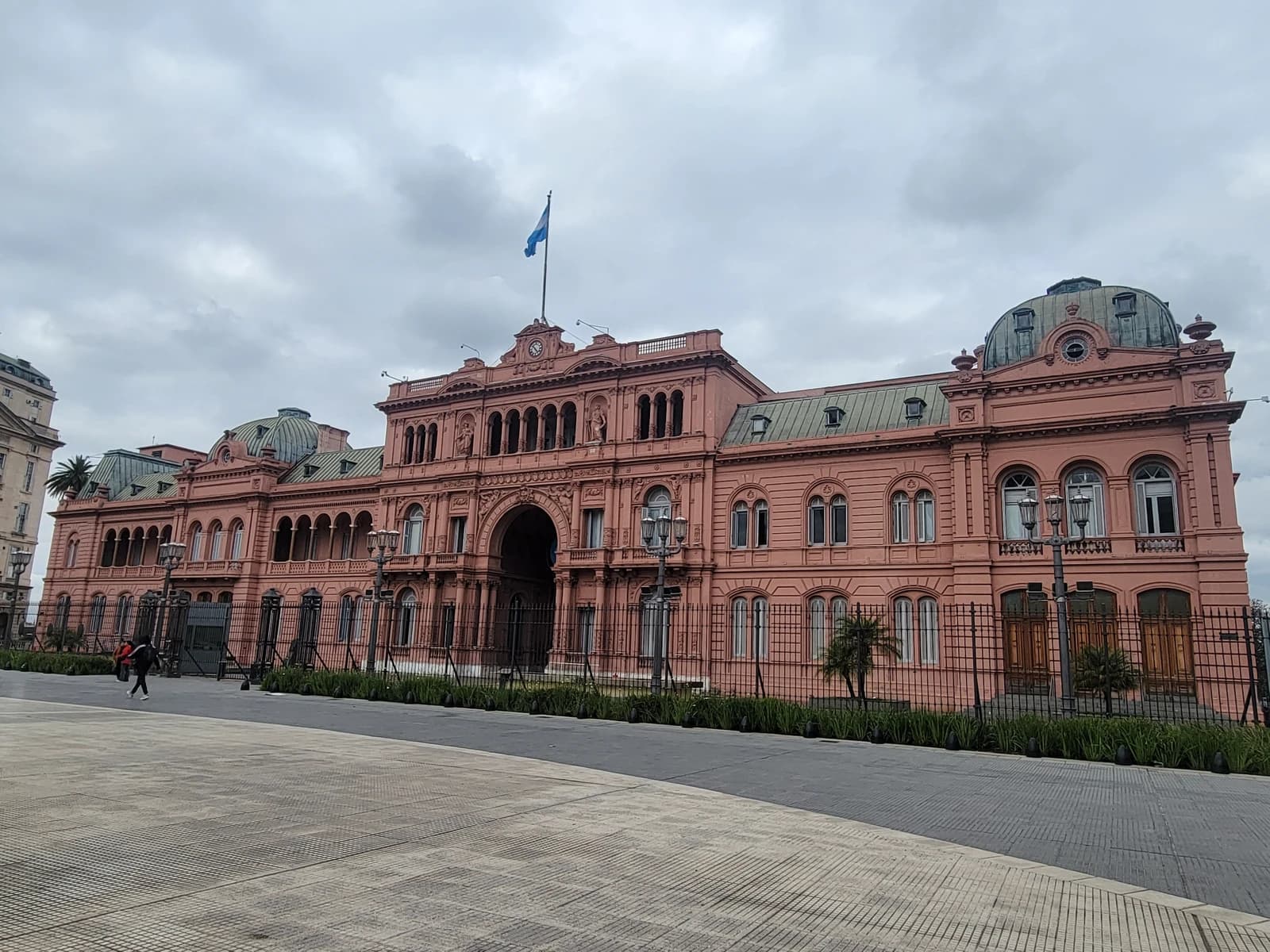
Argentina’s President Javier Milei may be brushing off talk of conspiracy theories as envy, but the real question for investors is whether his administration can turn political bravado into a durable macro recovery.
Argentina Rally Tests Milei Reform Credibility
That matters because Argentina’s assets have already priced in a good deal of optimism. The U.S.-listed Global X MSCI Argentina ETF has climbed sharply from around $71 at the start of October to $93.14 on Friday, even after a recent pullback from a 2026 high of $96.39. The fund remains above its 50-day and 200-day moving averages, a sign the broader uptrend is still intact, though the latest retreat and a cooling relative strength index suggest momentum is no longer as stretched as it was earlier in the week.

For Argentina, the market’s willingness to stay constructive is tied less to Milei’s rhetoric than to whether his government can sustain fiscal discipline, tame inflation and preserve the political backing needed for deeper reforms. Investors have been willing to pay for the possibility that a more orthodox policy mix will eventually reprice Argentine risk lower. But that trade remains vulnerable to any sign that the president’s combative style is becoming a substitute for governing momentum.
The stakes are economic as much as political. Argentina has spent decades cycling between stabilization efforts and reversals, and markets know how quickly confidence can unravel when policy credibility slips. Milei’s supporters see his confrontational tone as part of the package: a willingness to attack critics, dismiss detractors and frame resistance as proof the reform agenda is working. The bull case is that this message reinforces a break with the old political order and keeps his base energized enough to push through unpopular measures.
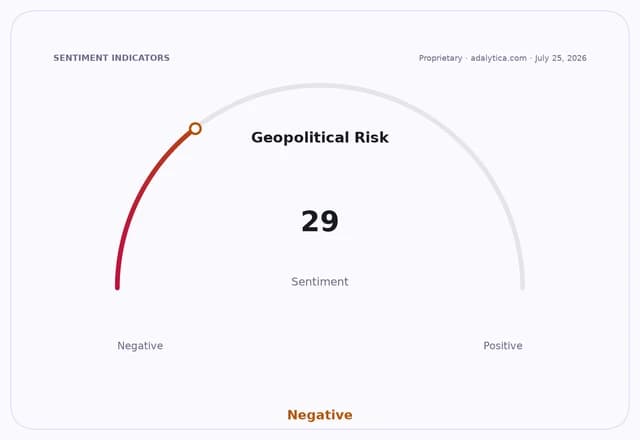
Geopolitical Risk vs ARGTadalytica.com
Explore this data interactively — full history, time series and cross-market comparisons.Open AlphaPulse
The bear case is that the same style risks widening opposition, especially if inflation relief or growth reacceleration stalls. In that scenario, the market would be forced to distinguish between rhetorical resolve and actual policy delivery. The ETF’s recent slide from its peak, despite still-positive medium-term technicals, shows that investors are already testing that distinction. A failure to hold above the 50-day moving average would be an early signal that confidence is fading.
Broader risk appetite also matters. Adalytica’s Global Stability Sentiment has slipped to “Fear,” even as awareness remains elevated, underscoring that geopolitical and market volatility can sharpen quickly. That backdrop is relevant for Argentina because its assets tend to trade as a levered expression of global risk appetite: when investors are cautious, they are less willing to extend the benefit of the doubt to high-beta sovereign stories.
For now, Milei’s comments are less important than what they reveal: a president still leaning on confrontation while markets wait for execution. The next catalyst will be whether the government can keep inflation falling, sustain fiscal tightening and avoid political setbacks that force a rethink on reform odds. If it can, Argentina’s rally may still have room to run. If not, the gap between narrative and fundamentals will start to close fast.
| Entity | Gains | Losses |
|---|---|---|
| Milei government | ▲Political momentum | ▼Credibility if reforms stall |
| Argentine assets | ▲Reform premium | ▼On policy disappointment |
| Investors long ARGT | ▲Further upside | ▼On break below support |
| Domestic opposition | ▲Critique leverage | ▼If stabilization holds |