Argentina’s bid for a 30-day extension to answer the U.S. Supreme Court in the YPF expropriation case matters because it keeps a potentially $18 billion liability from becoming immediate cash pressure on the sovereign.
Argentina seeks YPF Supreme Court extension
The government asked for more time to respond to the petition filed by the investors and funds trying to revive the original New York judgment over YPF’s 2012 nationalization. The new deadline would be Dec. 2, according to the filing, giving Buenos Aires more room to defend a case that has already swung in its favor once at the appeals level.
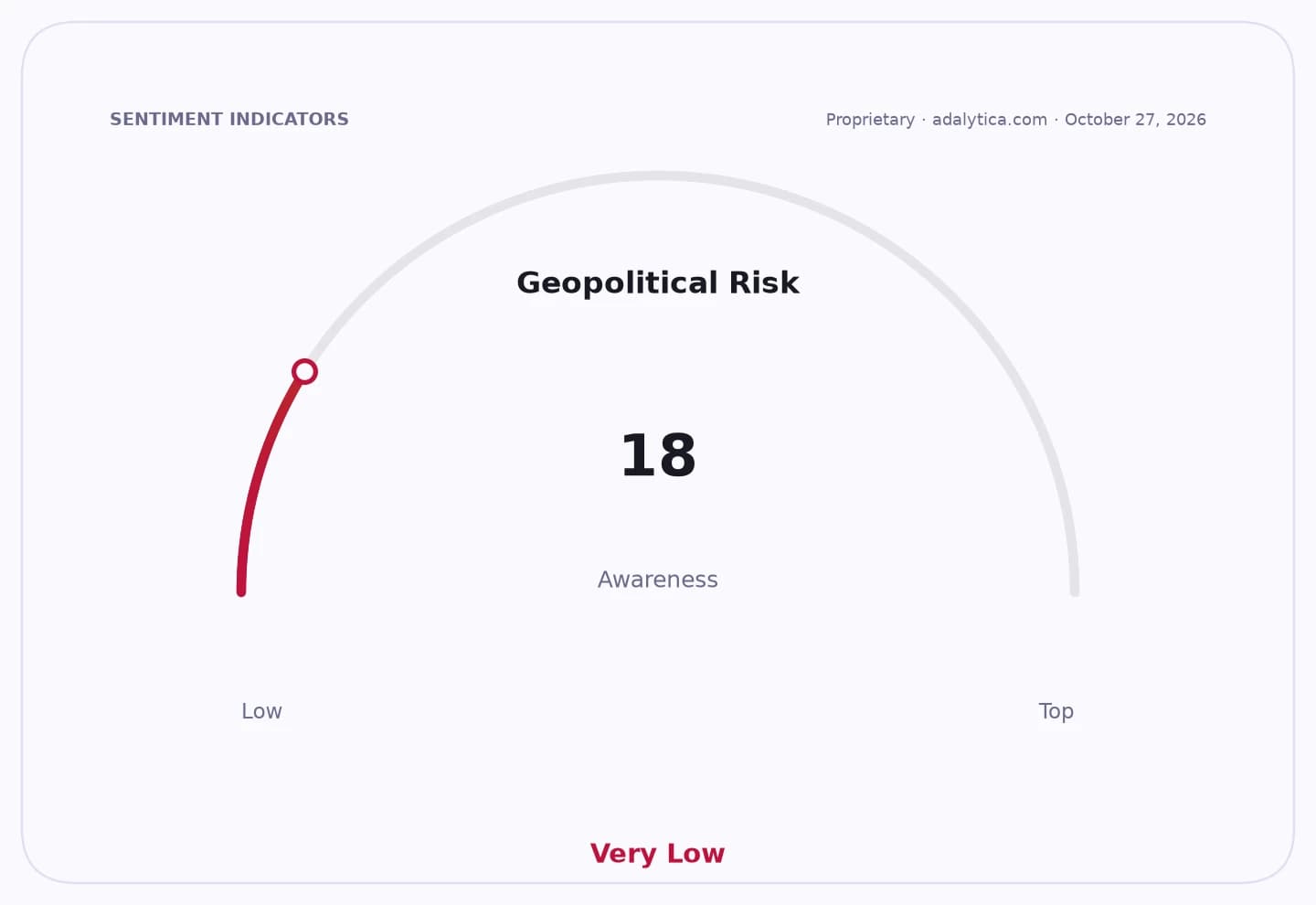
Sentiment IndicatorsⓘProprietary · adalytica.com · October 27, 2026
This is a snapshot — live sentiment, awareness and momentum for 130+ markets update continuously in the dashboard.Open AlphaPulse
That is no small thing for investors who care about Argentina’s balance sheet. The original ruling by U.S. District Judge Loretta Preska had ordered Argentina to pay $16.1 billion, a figure that topped $18 billion with interest. The Second Circuit later overturned that decision, and now the plaintiffs want the Supreme Court to step in and restore the award. The extension request does not change the legal merits, but it does delay the next catalyst in a dispute that could reshape perceptions of Argentina’s external liabilities.
For shareholders of YPF, the case remains a long-tail overhang rather than a day-to-day operating issue. YPF’s stock has been volatile, and conventional technical indicators show the shares have recently drifted below their 50-day moving average, with momentum weakening after a strong run earlier this year. That reflects the market’s preference to price in uncertainty cautiously, even when the company’s core business is not the direct subject of the latest filing.
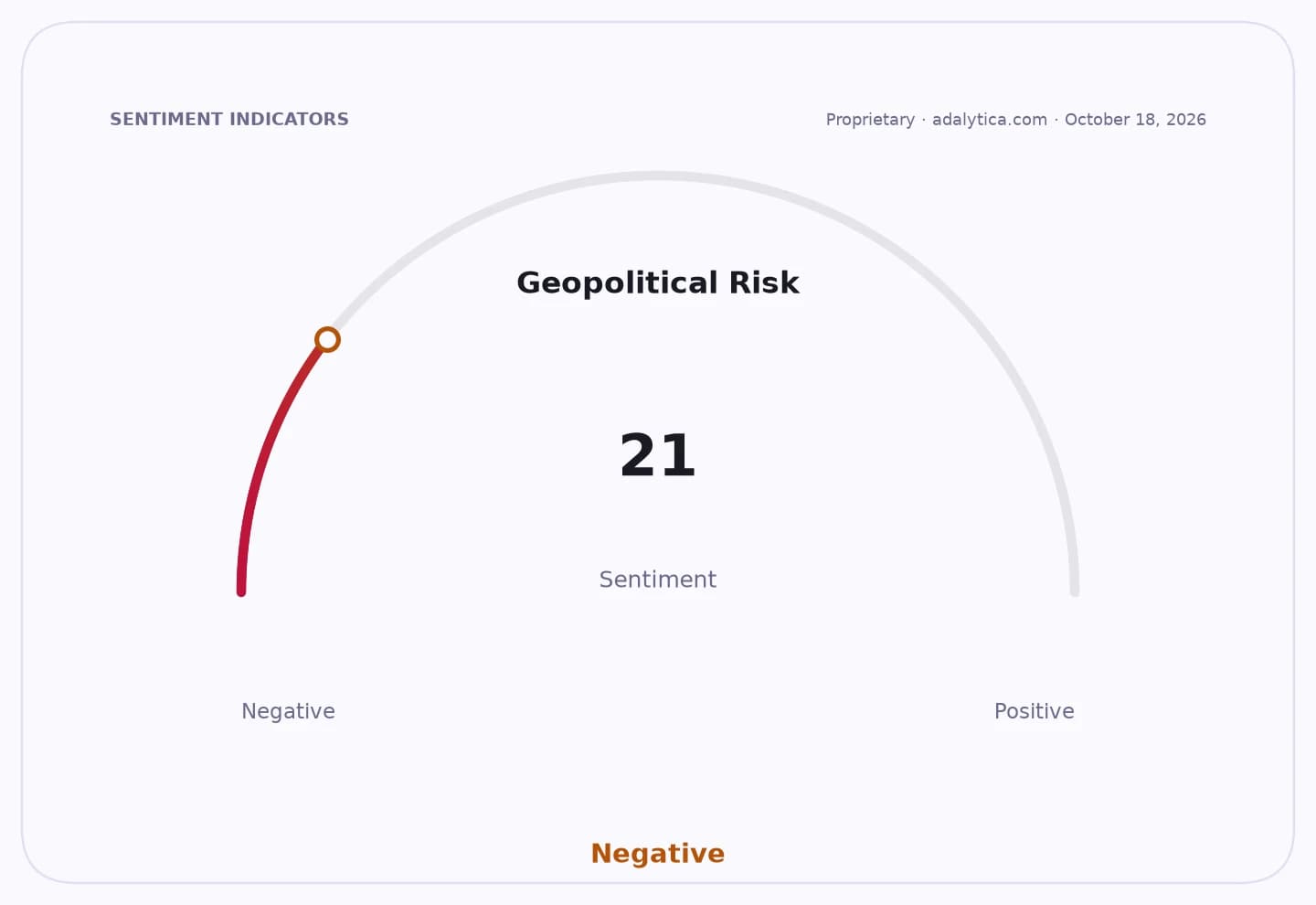
Geopolitical Risk vs YPFadalytica.com
Explore this data interactively — full history, time series and cross-market comparisons.Open AlphaPulse
The bigger economic story is that Argentina is still trying to contain legal risks tied to a 2012 nationalization that has haunted the country for years. A Supreme Court review is far from guaranteed; the court accepts only a small fraction of the thousands of petitions it receives each term. That makes the extension valuable mostly as a breathing spell, not a victory lap.
There is also a broader investor lesson here. Sovereign legal disputes like this can matter as much as inflation or growth when you are pricing Argentina assets, because they affect future financing needs, currency confidence and the government’s room to maneuver. The country’s other challenge is that the case is not the only venue for risk: Burford Capital is also pursuing arbitration through the World Bank’s CIADI framework, which means the dispute can keep generating headlines even if the U.S. route narrows.
For long-term investors, the key question is not whether this filing changes YPF’s business this quarter. It doesn’t. The question is whether Argentina can keep reducing the odds of a disastrous cash outcome while the appeals grind on. That is why the extension matters: it buys time, but it does not remove the threat. Investors should keep YPF on the watchlist, but patience and diversification still matter more than trying to trade every twist in a case that could take years to fully resolve.
| Entity | Gains | Losses |
|---|---|---|
| Argentina | ▲More time to defend case | ▼No final relief yet |
| YPF investors | ▲Delayed liability overhang | ▼Lingering legal uncertainty |
| Plaintiffs/Burford Capital | ▲Extended chance for review | ▼Further delay in recovery |
| Argentina sovereign credit | ▲Short-term breathing room | ▼Tail risk remains elevated |