Armenia and Iran are setting up a working group on gas trade, a small diplomatic step that could have outsized importance for a landlocked economy trying to secure energy supply while regional trade ties remain under strain.
Armenia, Iran Explore Gas Trade Cooperation
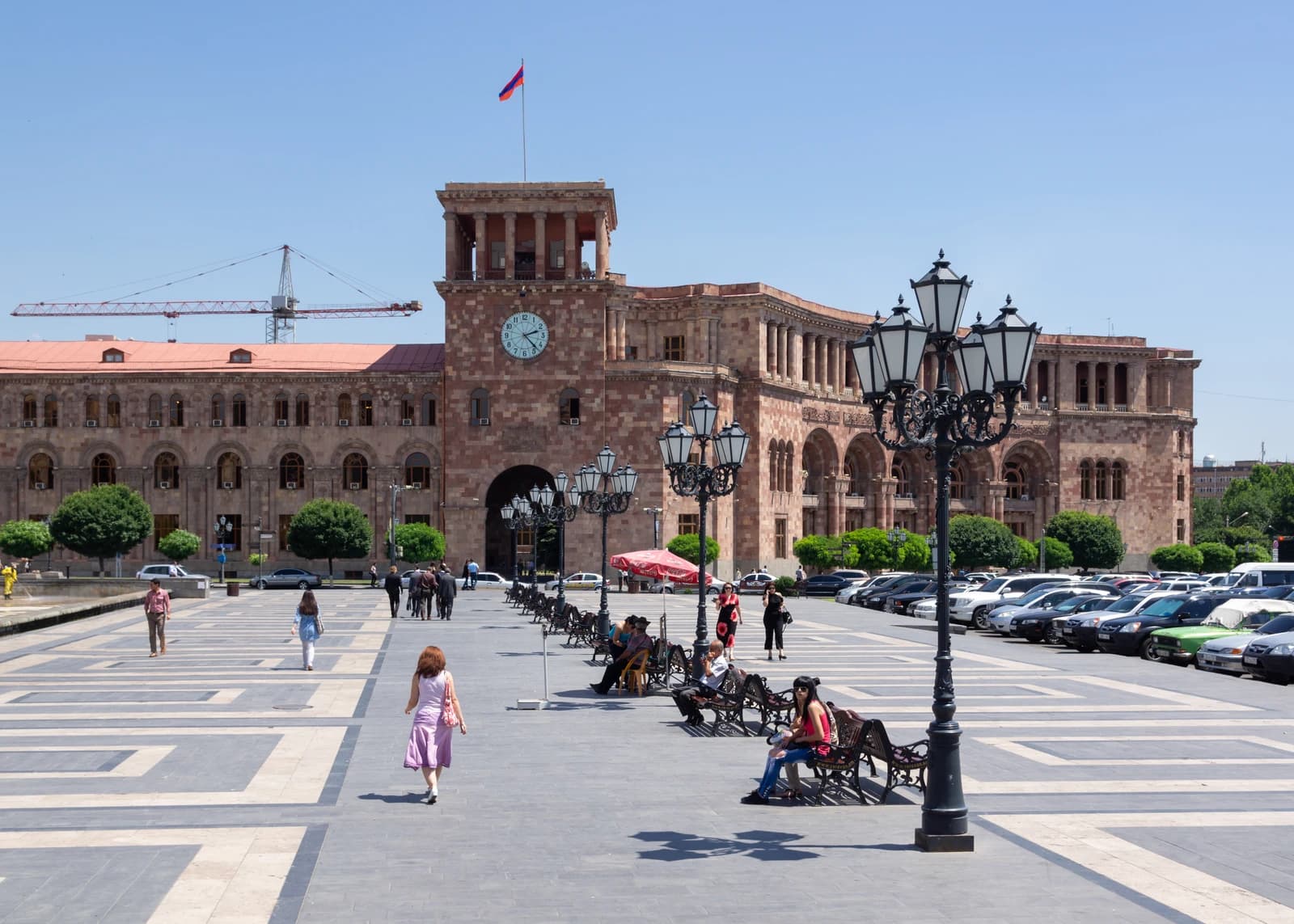
For investors, the significance is less about a single committee than about energy resilience. Armenia depends heavily on imported fuel, and even modest progress on gas coordination with Iran can help reduce supply risk, improve bargaining power and support industrial activity at a time when the country is being buffeted by trade disruptions elsewhere.
Sentiment IndicatorsⓘProprietary · adalytica.com · July 25, 2026
This is a snapshot — live sentiment, awareness and momentum for 130+ markets update continuously in the dashboard.Open AlphaPulse
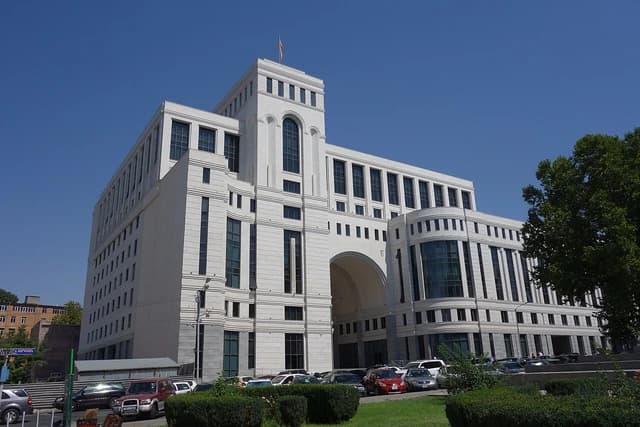
The move comes as Russia tightens the screws on Armenian trade, including a ban on Armenian dairy imports, while farmers have already been protesting obstacles to selling tomatoes through the route to Iran. Against that backdrop, Yerevan’s effort to deepen cooperation with Tehran looks like practical risk management, not diplomacy for its own sake.
Energy markets are part of the story too. Iran is still under sanctions and remains constrained in how far it can expand formal trade, but it still matters as a regional supplier and transit partner. The latest signals around oil and geopolitical risk show how quickly sentiment can swing when the Middle East and nearby corridors look less stable. That matters for anyone pricing energy exposure, especially when conventional market indicators point to persistent fear in broader global stability gauges and caution in crude sentiment.
The broader lesson for long-term investors is that infrastructure and energy linkages often become more valuable when politics gets messy. Countries that can diversify supply routes and counterparties usually weather shocks better than those relying on a single partner. Armenia is trying to do exactly that by keeping an energy channel open with Iran while its ties with Russia become more complicated.
It is not a game-changing deal on its own, but it is a reminder that in geopolitics, the most important investments are often the unglamorous ones: pipes, contracts and backup plans. Watch whether the working group leads to better pricing, steadier volumes or new transit arrangements. If it does, that could be a meaningful support for Armenia’s economy and a modest but real stabilizer for regional energy flows.
| Entity | Gains | Losses |
|---|---|---|
| Armenia | ▲Better energy security | ▼Less leverage from Russia |
| Iran | ▲More regional trade access | ▼Fewer constraints to work around |
| Russian exporters | ▲Less influence in Armenia | ▼Lost market share |
| Energy users in Armenia | ▲More stable supply | ▼Higher disruption risk |




