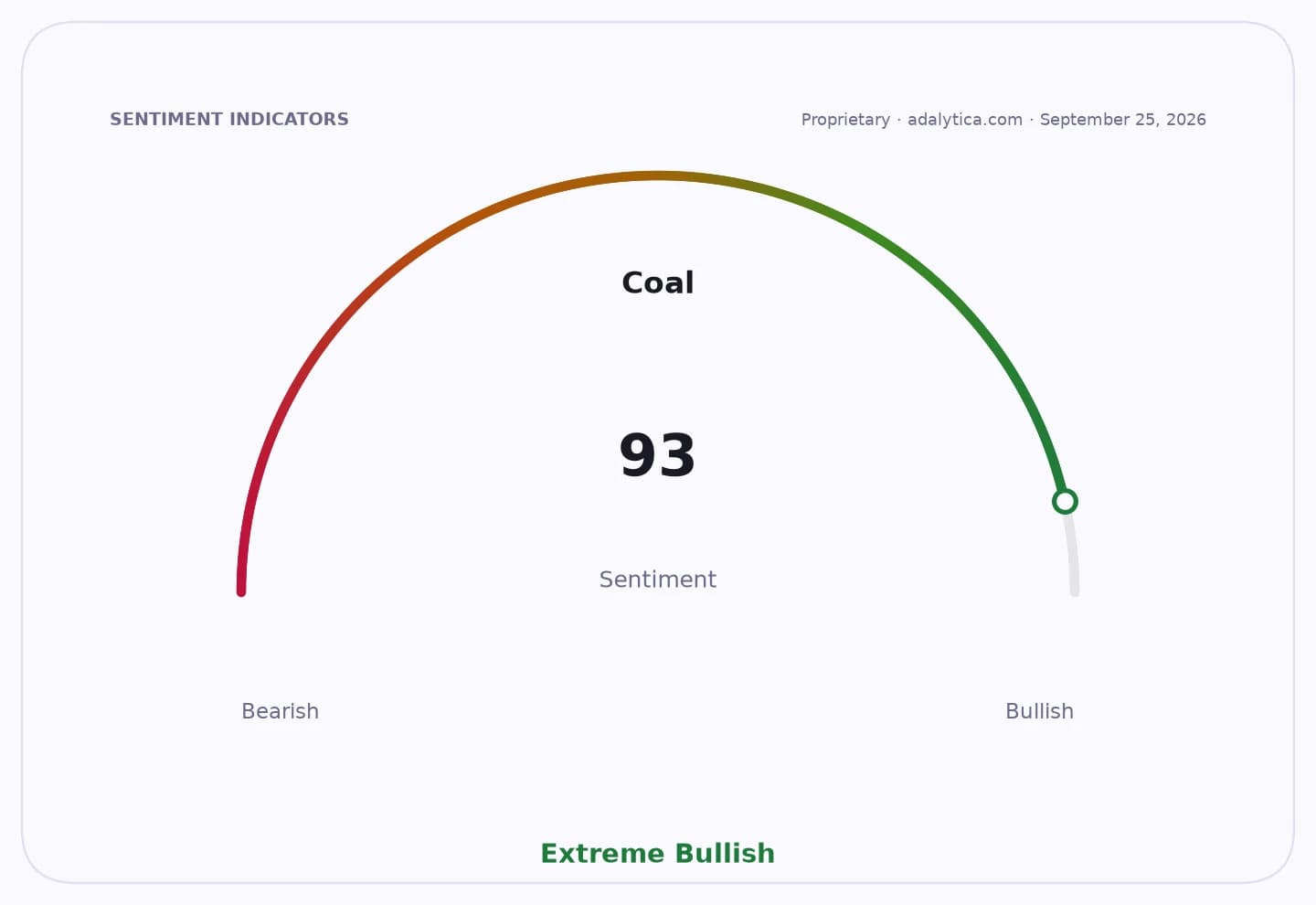
Asian hydropower output fell in June 2026, tightening the region’s power balance and forcing utilities to lean more heavily on coal and liquefied natural gas, a shift that matters because it can lift fuel imports, support gas prices and keep power markets volatile through the summer.
Asian hydropower slump supports LNG and coal demand
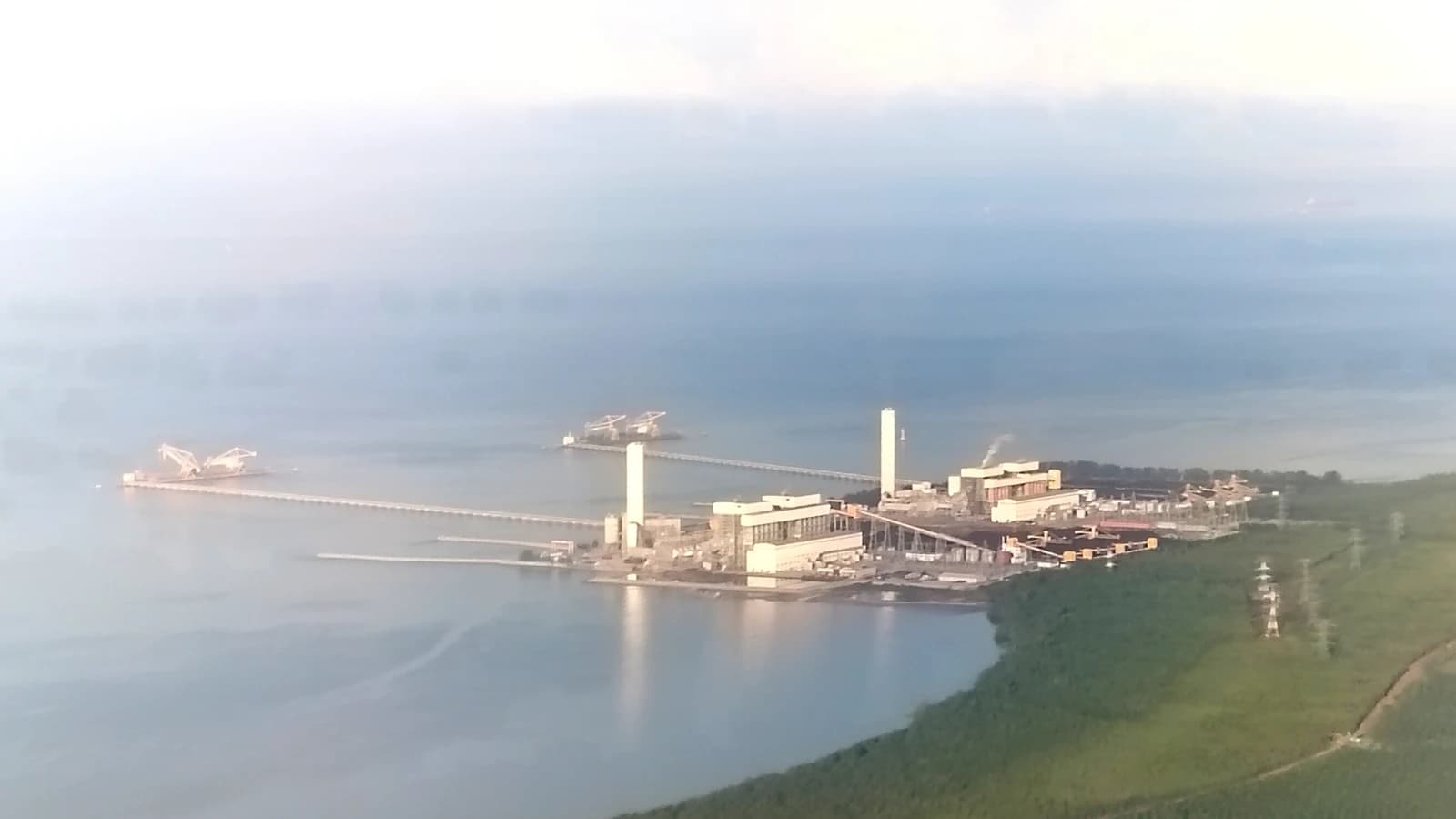
The rerouting of generation away from water and toward thermal fuels is economically important for Asia, where hydropower shortfalls can quickly translate into higher spot LNG demand and stronger coal burn. That makes the June drop a direct tailwind for seaborne gas and coal markets at a time when electricity demand remains firm and weather-related supply swings are shaping trading.
Sentiment IndicatorsⓘProprietary · adalytica.com · July 26, 2026
This is a snapshot — live sentiment, awareness and momentum for 130+ markets update continuously in the dashboard.Open AlphaPulse
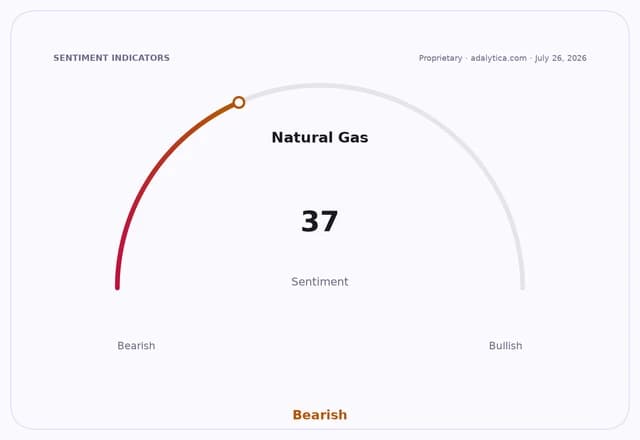
Investors are already seeing the impact in natural gas-linked assets. Cheniere Energy, the largest U.S. LNG exporter, has climbed to $269.72 from $227.03 on June 18, while the widely watched natural gas ETF UNG has fallen back to $10.55 after briefly touching $16.90 in late January, underscoring how volatile the trade remains even as the structural demand story improves. UNG is still below its 50-day and 200-day moving averages, but recent stabilization in the fund suggests traders are positioning for tighter balances if Asian buyers keep turning to LNG.
The move also fits a broader market backdrop that remains supportive for fossil-fuel demand. Adalytica’s natural gas trade signals sit at neutral, but the global stability gauge shows elevated fear, a setup that often favors commodities tied to supply security rather than discretionary growth. For LNG exporters such as Cheniere and upstream producers with exposure to global gas prices, reduced Asian hydropower output can translate into better pricing power and firmer export volumes.
The key question now is whether the June weakness in hydropower persists into late summer, when cooling demand in Asia typically peaks and utilities are most exposed to fuel switching. If rainfall and reservoir levels do not recover quickly, coal and LNG demand could remain elevated, with the strongest upside likely for exporters and the clearest downside for buyers facing higher import bills.
| Entity | Gains | Losses |
|---|---|---|
| LNG exporters | ▲Higher Asian LNG demand | ▼Less pricing pressure |
| Coal miners | ▲More thermal burn | ▼Weaker hydropower share |
| Asian utilities | ▲Supply flexibility from LNG | ▼Higher fuel costs |
| LNG buyers/importers | ▲Better energy security | ▼Higher import bills |