ASML says chipmakers are booking its lithography tools as far out as 2029 and 2030, underscoring that the AI buildout is still running ahead of supply and forcing the industry’s most critical equipment supplier to consider yet another round of capacity expansion.
ASML Raises 2026 Sales Outlook as Orders Extend
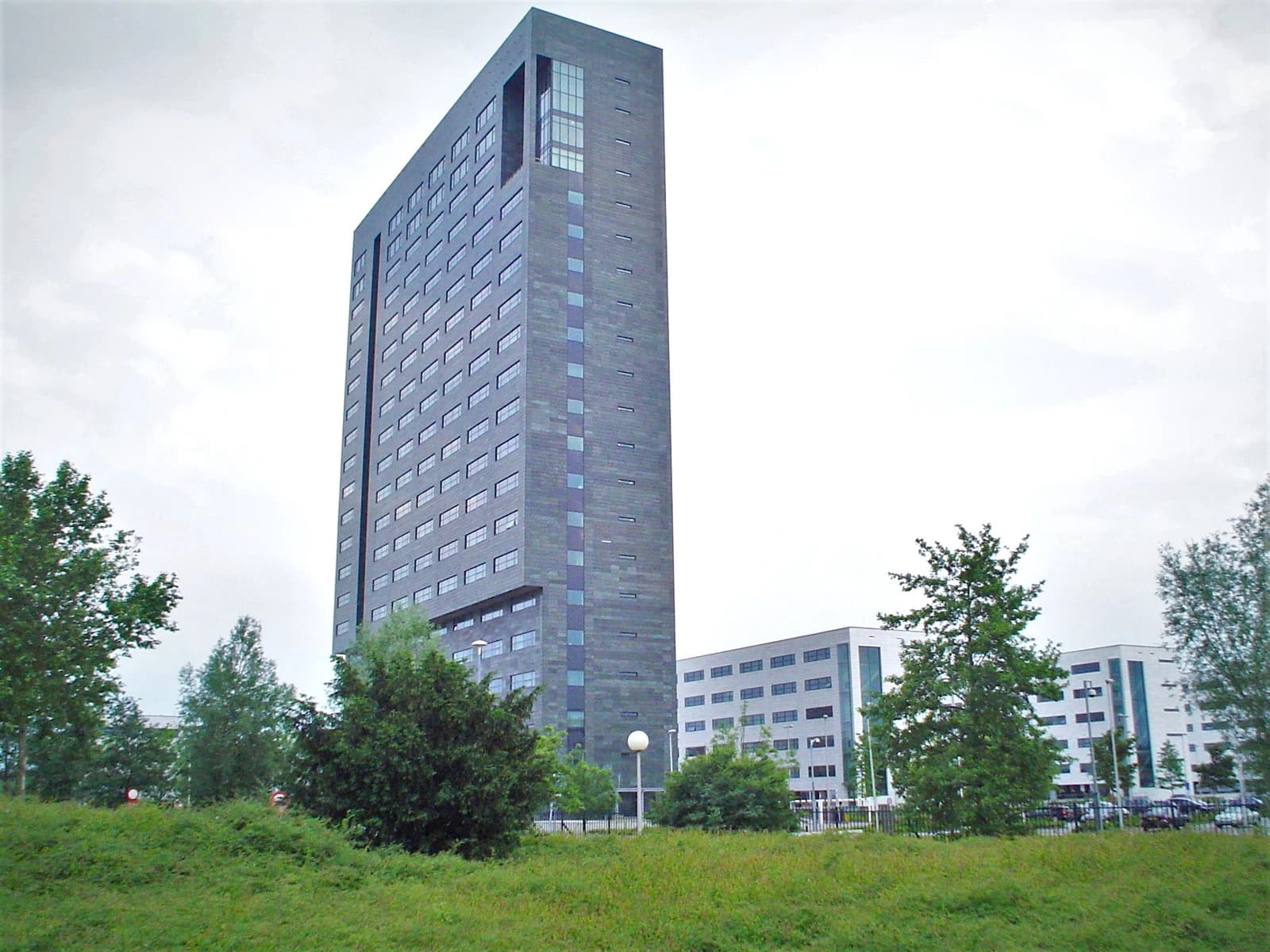
That matters because ASML sits at the bottleneck of advanced chip manufacturing. If customers are asking for machines years before they can be delivered, the AI capex cycle is no longer a short-term trade — it is becoming a multi-year industrial buildout with implications for foundries, memory makers, data-center operators and every company betting on accelerated computing.
Sentiment IndicatorsⓘProprietary · adalytica.com · October 17, 2026
This is a snapshot — live sentiment, awareness and momentum for 130+ markets update continuously in the dashboard.Open AlphaPulse
Chief executive Christophe Fouquet said customers are requesting additional tools every day and that ASML is now considering capacity increases beyond plans already set out. In July, the Dutch company had already said it would boost production by 30% by 2027 and was studying another 30% increase by 2028. Now it is talking about going further, with the first phase of a second campus in the Netherlands due in 2029 — exactly the sort of horizon customers are now targeting.
ASML also lifted the lower end of its 2026 sales forecast to between 44 billion euros and 45 billion euros, a fresh sign that demand is not cooling despite volatility in chip stocks. The company reported third-quarter net sales of 11.7 billion euros and net income of 5.0 billion euros, while keeping gross margin guidance around 56%. Shares rose 2.8% in Amsterdam to about 1,552 euros, and the stock is still up 64% this year.
The bigger point for investors is that ASML’s order book is one of the cleanest real-time reads on semiconductor appetite. Unlike an AI narrative or a capex slide in a presentation, a lithography order is a physical commitment to a single supplier with no real substitute. That makes ASML the ultimate picks-and-shovels beneficiary of the AI arms race, and it is why its backlog is more revealing than almost any forecast from chipmakers themselves.
China remains about 20% of ASML’s annual revenue, so the company still has geopolitical exposure, but the center of gravity is clearly shifting toward long-duration demand from customers building out AI infrastructure. Pricing talks with major clients are already set to flow through more meaningfully from 2027 and fully from 2028, giving ASML a second lever of earnings power even before the next capacity wave comes online.
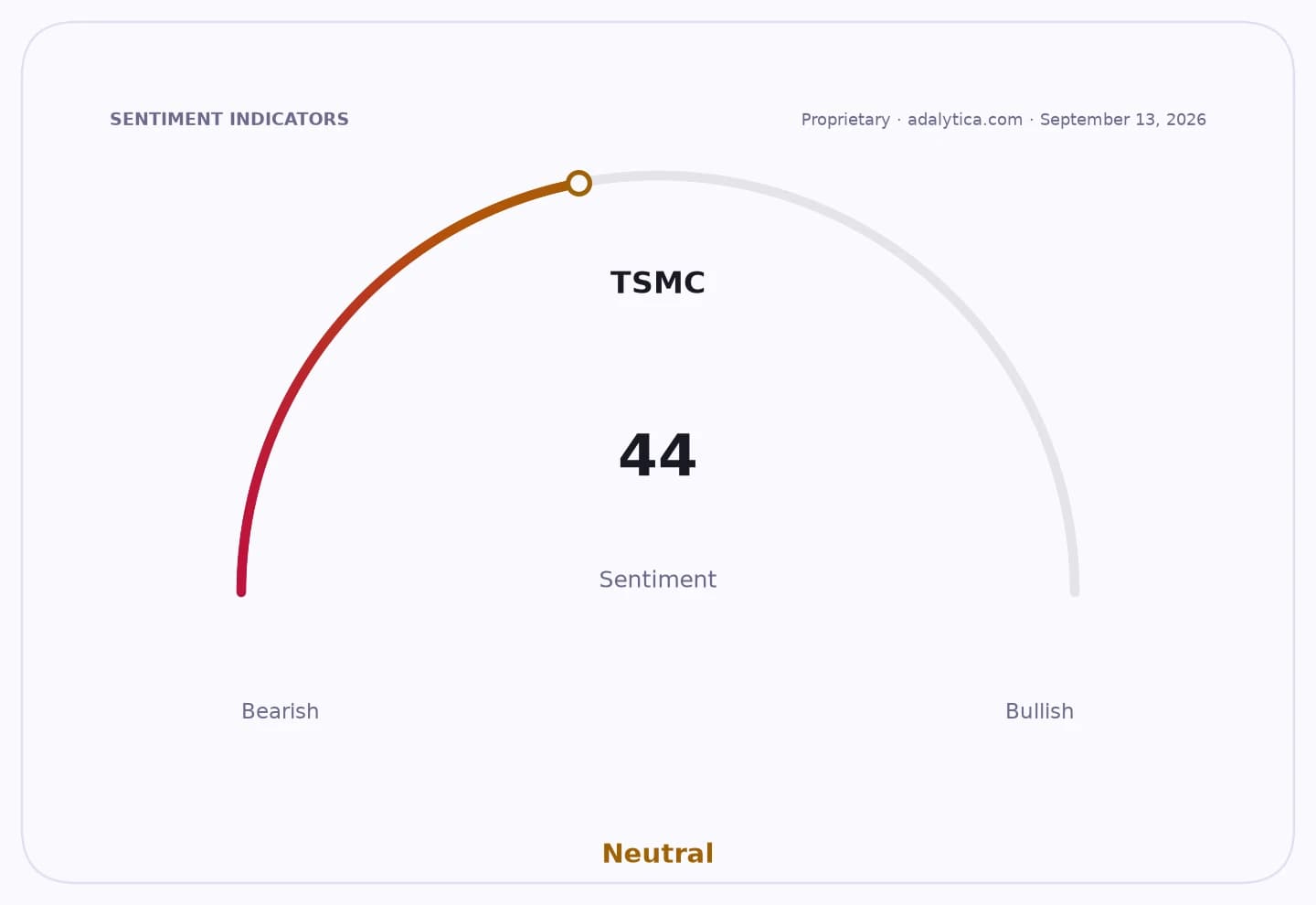
The market underestimates how durable this cycle can be. TSMC’s stock has also been trading on the same message — that AI demand is real, sticky and capital intensive — while Nvidia’s recent volatility has reflected investor fear of overbuild rather than evidence of it. ASML’s backlog says the investment is still happening, and it is happening farther into the future than most bulls expected.
For investors, that keeps the case intact for staying positioned in the toll roads of AI: ASML on the equipment side, TSMC on foundry capacity, and selected chip and infrastructure names that benefit from every new layer of compute. If customers are already reaching for 2030 delivery slots, the next leg of this trade is not about hype — it is about who can physically scale. I believe ASML remains one of the cleanest long-term compounders in the entire AI supply chain, and this order visibility strengthens the bull case.
| Entity | Gains | Losses |
|---|---|---|
| ASML | ▲Higher backlog, pricing power | ▼Capacity constraints |
| TSMC and foundries | ▲More advanced-node investment | ▼Longer equipment lead times |
| AI chip buyers | ▲Future access to lithography capacity | ▼Delayed delivery schedules |
| Shorts on AI capex | ▲Less conviction in slowdown thesis | ▼Rising risk of being wrong |