AstraZeneca’s latest quarter reinforced the case that its cancer portfolio is still doing the heavy lifting, a backdrop that helps explain why Bernstein remains positive on the stock even after a sharp pullback in recent weeks.
AstraZeneca Oncology Strength Supports Bullish View

That matters because AstraZeneca is being valued less like a cyclical defensive and more like a growth pharmaceutical franchise whose next leg depends on whether oncology can keep offsetting slower pockets elsewhere. The company said quarterly net profit rose 2%, beat expectations and reaffirmed its 2026 outlook, suggesting the core earnings trajectory remains intact despite broader volatility in healthcare shares.
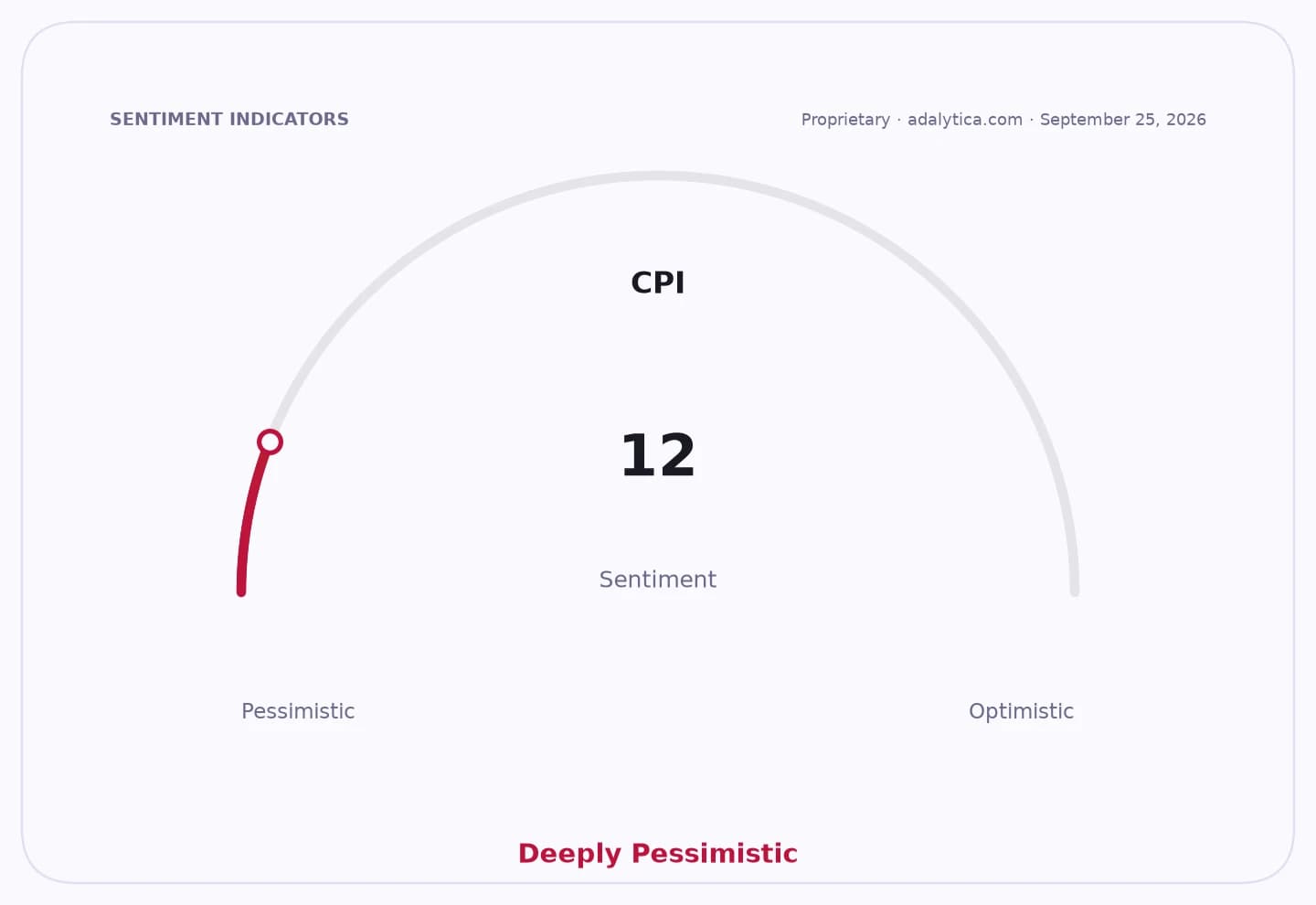
Sentiment IndicatorsⓘProprietary · adalytica.com · July 29, 2026
This is a snapshot — live sentiment, awareness and momentum for 130+ markets update continuously in the dashboard.Open AlphaPulse

The central economic point is that oncology remains AstraZeneca’s most important profit engine. In a sector where patent cycles, pricing pressure and pipeline risk can rapidly erode multiples, sustained sales momentum in high-value cancer drugs supports revenue visibility and cash generation. That gives management more room to keep investing in late-stage research while preserving margin discipline, and it reduces the odds of a near-term reset to guidance.
For investors, that combination is critical. AstraZeneca has spent much of the year trading between optimism about its drug portfolio and concerns that the market has already priced in a lot of that success. The stock closed at 172.48 on July 28, well below its recent highs and under its 200-day moving average, even as the 50-day average remains above current levels, a sign the shares have been repairing after a deeper selloff. RSI readings have also moved out of deeply oversold territory, suggesting the recent bounce is at least partly technical. But the bigger point is fundamental: the earnings beat and unchanged outlook give bulls a reason to argue the de-rating was overdone.
Bernstein’s positive stance fits that view. The bull case is that AstraZeneca’s oncology breadth, together with its broader pipeline, can keep compounding through 2026 even if sentiment around healthcare spending is fragile. The bear case is that the market may still demand proof that growth can broaden beyond the anticancer segment, especially if pricing pressure, trial setbacks or weaker demand in other therapeutic areas eventually slow earnings momentum.
That tension is also visible across the sector. Eli Lilly and Novartis have both shown how quickly pharmaceutical shares can re-rate on pipeline confidence and then give back gains when expectations get ahead of execution. AstraZeneca’s latest quarter does not remove those risks, but it does strengthen the argument that the company remains one of the more durable large-cap growth stories in global pharma.
The next catalyst is whether AstraZeneca can keep translating oncology sales into sustained earnings outperformance without leaning too heavily on one franchise. If it can, Bernstein’s constructive view has room to hold up; if growth broadens and guidance proves conservative, the stock could recover more of the ground lost in the summer selloff.
| Entity | Gains | Losses |
|---|---|---|
| AstraZeneca | ▲Earnings credibility | ▼Short-term bears |
| Oncology franchise | ▲Revenue visibility | ▼Portfolio diversifiers |
| Bernstein bulls | ▲Thesis support | ▼Momentum sellers |
| Rival pharma names | ▲Sector comparability | ▼Relative valuation advantage |