AstraZeneca is signaling that rare diseases will be a bigger part of its push toward $80 billion in annual revenue, a shift that matters because the company is trying to broaden growth beyond its biggest oncology franchises while protecting margins and cash flow.
AstraZeneca Pushes Rare Disease Growth
The move is strategically important for a drugmaker of AstraZeneca’s scale. Rare-disease medicines typically command premium pricing, face less direct competition than mass-market therapies and can support durable revenue streams if the company can keep expanding approvals and geographic reach.
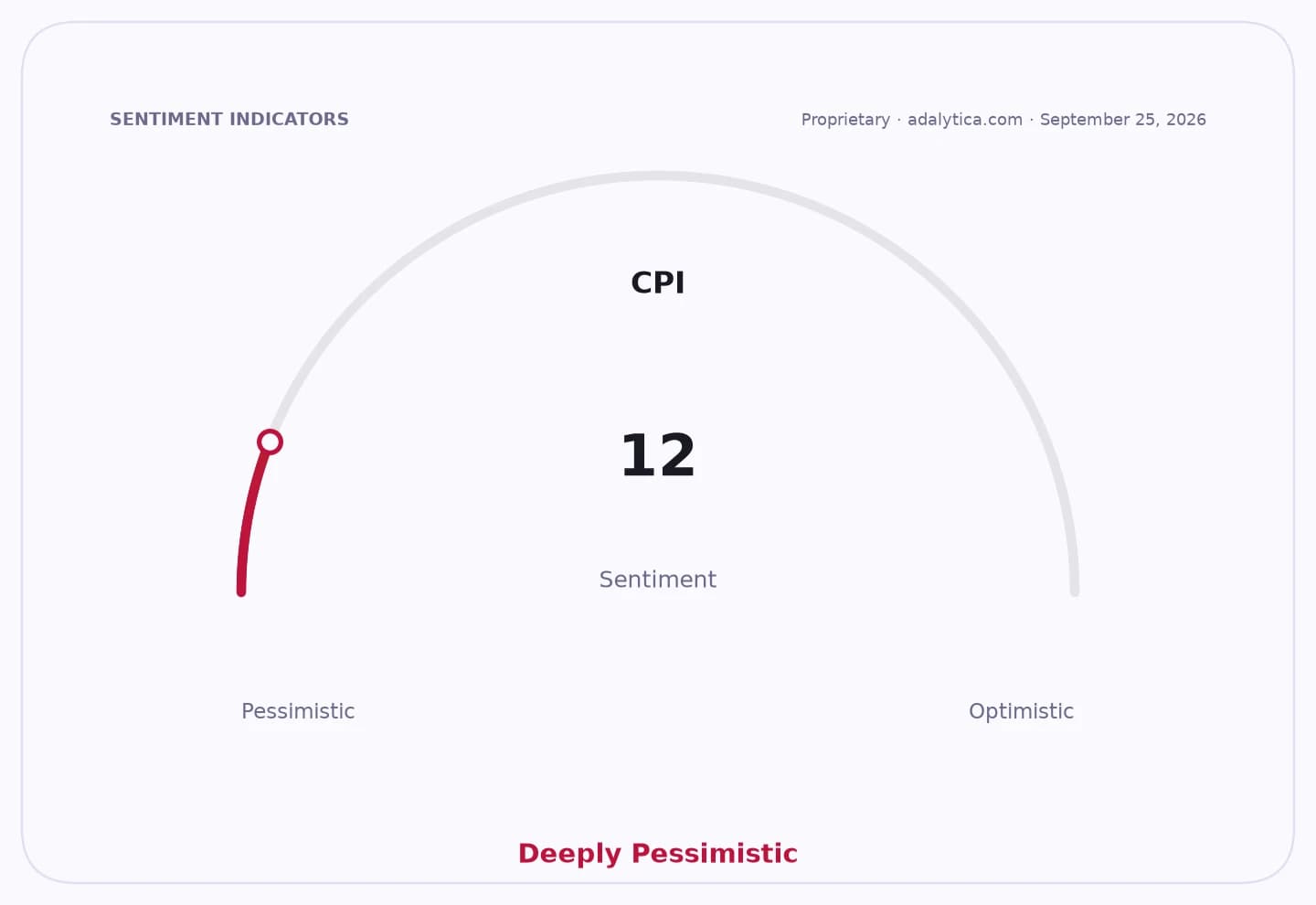
Sentiment IndicatorsⓘProprietary · adalytica.com · July 20, 2026
This is a snapshot — live sentiment, awareness and momentum for 130+ markets update continuously in the dashboard.Open AlphaPulse
That makes the category especially relevant for investors watching whether AstraZeneca can turn a broad pipeline into a more balanced earnings engine. The company already has a wide portfolio across oncology, cardiovascular, renal and metabolism, and respiratory medicine, but the market has been rewarding firms that can pair blockbuster cancer drugs with niche medicines that deepen pricing power and reduce reliance on any one product cycle.
AstraZeneca’s shares were little changed at 168.90 in recent trading, leaving the stock below both its 50-day and 200-day moving averages, even after a strong run earlier in the year. The latest pullback suggests investors want more than ambition: they want evidence that the revenue target can be delivered through launches, label expansions and sustained demand, not just a pipeline narrative.
The focus on rare disease also comes as the broader healthcare complex remains under pressure. Sentiment tracked by Adalytica’s Healthcare Spending Sentiment gauge sits in “Fear,” reflecting caution around policy, reimbursement and spending trends even as investors continue to favor companies with visible growth drivers.
For AstraZeneca, the key question now is execution. The company must keep converting its science-led strategy into commercial momentum while competing with other large biotech names such as Vertex and Rare Disease specialist peers for investor capital and market attention. Any update on new approvals, partnership activity or revenue guidance will be closely watched as proof that the $80 billion target is more than a long-range goal.
| Entity | Gains | Losses |
|---|---|---|
| AstraZeneca | ▲Broader revenue base | ▼Higher execution pressure |
| Rare disease unit | ▲Premium pricing power | ▼Limited scale if launches lag |
| Oncology-heavy peers | ▲Less diversified mix debate | ▼Slower capital rotation |
| Investors seeking growth | ▲More durable earnings story | ▼Risk if pipeline disappoints |