Australia’s plan to force AI data centres to build their own power sources and conserve water is a clear signal that the country’s AI buildout will no longer be allowed to push up electricity bills for households and businesses.
Australia Pushes AI Data Centers Toward Self-Power
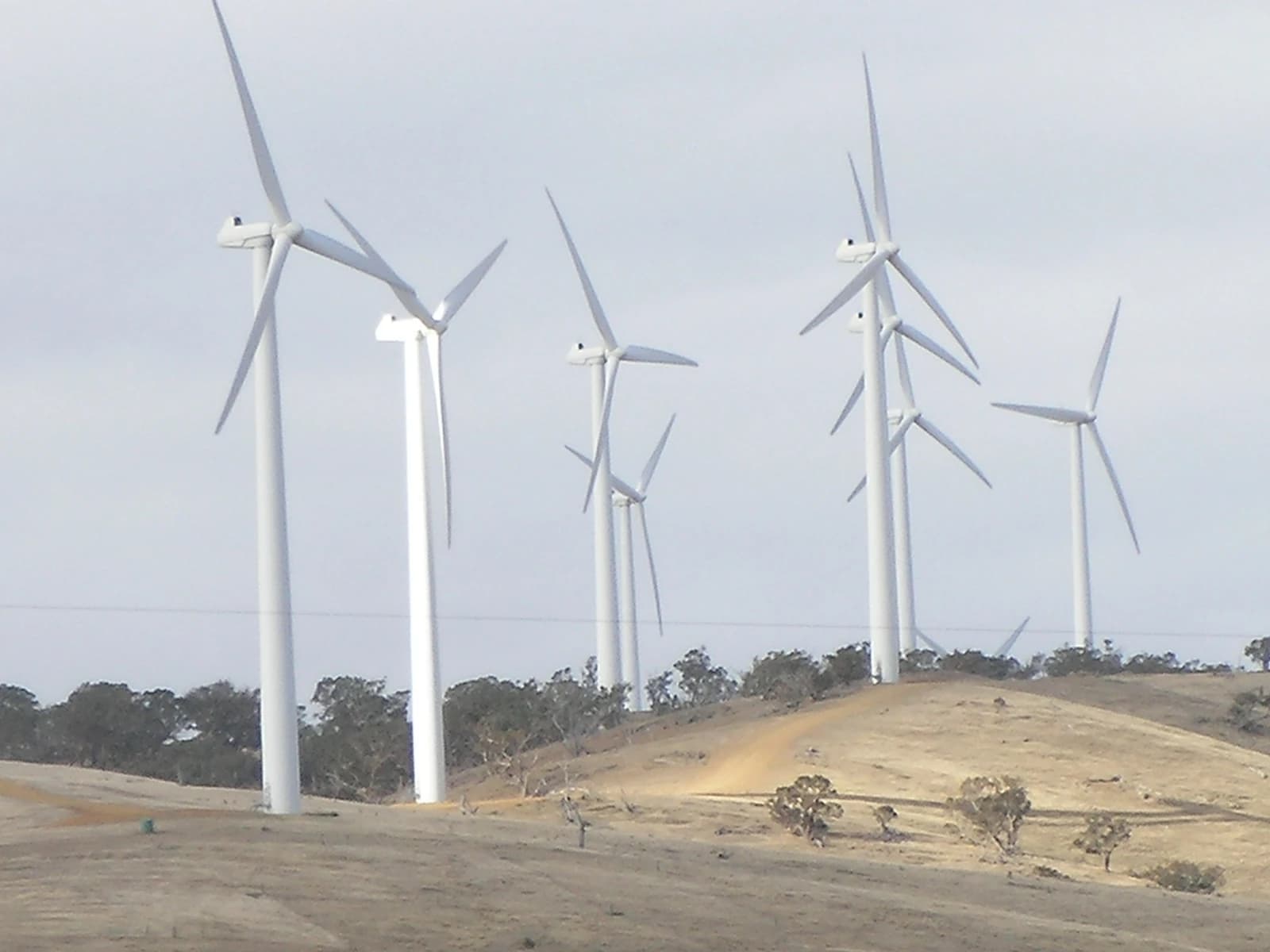
That matters because power and water have become the two critical bottlenecks in the global race to scale artificial intelligence. Data centres are not just software warehouses anymore; they are industrial assets that consume grid capacity, strain local infrastructure and increasingly compete with other users for scarce energy. By pledging to “ensure data centres do not increase power prices for Australians,” Prime Minister Anthony Albanese is effectively telling the market that the old model of plug-into-the-grid growth is over.
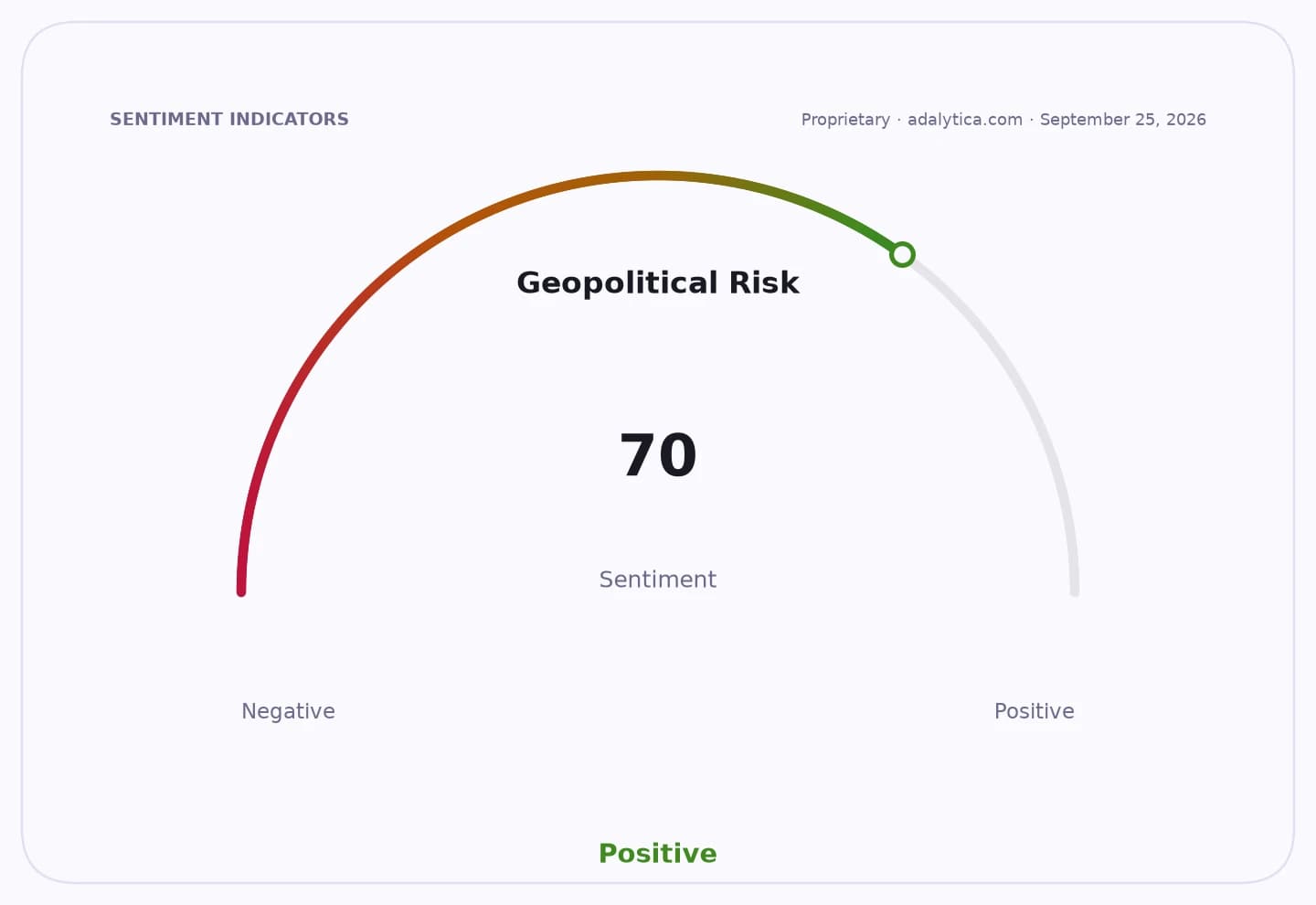
Sentiment IndicatorsⓘProprietary · adalytica.com · July 15, 2026
This is a snapshot — live sentiment, awareness and momentum for 130+ markets update continuously in the dashboard.Open AlphaPulse
The policy shift is economically significant for three reasons. First, it changes who pays for the AI boom. If new facilities must source their own energy, the capex burden moves away from the public grid and onto developers, utilities, private power providers and equipment vendors. Second, it raises the bar for site selection, making access to renewables, storage, transmission and water recycling a prerequisite for expansion. Third, it could slow the pace of indiscriminate data-centre growth while accelerating investment in behind-the-meter generation, modular power systems and efficiency technologies.
Investors should read that as a major second-order opportunity. The market often prices AI as a semiconductor story, but the real bottleneck is infrastructure. Every additional megawatt of compute needs wires, cooling, backup power and water management. That creates a powerful picks-and-shovels trade in grid equipment, batteries, gas-to-power bridging solutions, renewable developers and industrial water systems. It also raises the strategic value of companies that can deliver self-sufficient data-centre campuses rather than simply rent capacity from the grid.
The broader backdrop makes the move even more important. Global industrial production is still expanding, while U.S. 10-year yields remain near 4.6%, keeping financing conditions restrictive for capital-intensive buildouts. That means AI infrastructure projects will increasingly be judged not by hype, but by power economics and return on capital. The companies that can lower energy intensity and secure cheaper, cleaner supply will win.
The policy also lands in the middle of a market where AI enthusiasm is still intense but increasingly selective. Adalytica.com’s AI sentiment gauge shows “Extreme Greed,” which is exactly when investors should look beyond the obvious winners and into the enabling layers that the market tends to underprice early. The next leg of AI outperformance may come less from the chips everyone already owns and more from the infrastructure needed to keep those chips running.
For investors, the takeaway is straightforward: this is not just an Australian regulatory headline, it is a signal that AI data-centre economics are being rewritten. The best exposure now is not pure-play hyperscale capacity alone, but the firms that supply power, cooling, storage and water efficiency to make that capacity viable. That is where the asymmetric upside sits.
| Entity | Gains | Losses |
|---|---|---|
| Renewable power providers | ▲New captive demand | ▼Grid-only incumbents |
| Battery and backup systems makers | ▲More behind-the-meter orders | ▼Slow-cycle utilities |
| Water recycling and cooling firms | ▲Higher infrastructure spend | ▼Wasteful data centres |
| AI data-centre developers | ▲Regulatory certainty if compliant | ▼Cheap power access |