Australia’s AI hiring surge is turning niche skills into premium pay, with roles that barely existed two years ago now offering six-figure salaries as companies scramble to staff automation, data and machine-learning projects.
Australia's AI Hiring Boom Tightens Labor Market
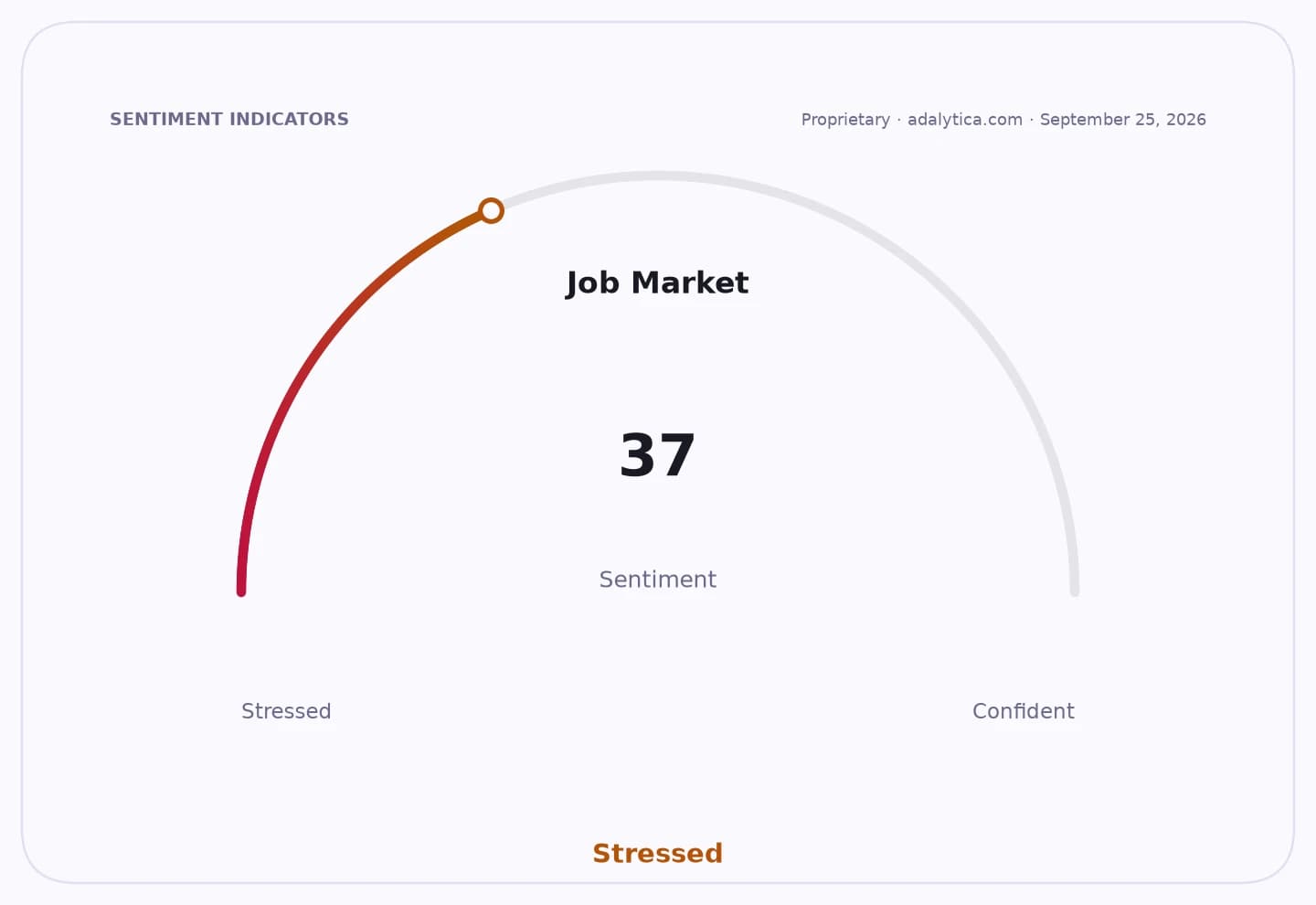
That matters because the country’s labor market is still relatively tight even as it cools from post-pandemic extremes. Australia’s unemployment rate is 4.2%, and the latest forecast points to 4.18% next month, signaling only a modest easing in hiring conditions rather than a broad labor-market break.
Sentiment IndicatorsⓘProprietary · adalytica.com · July 16, 2026
This is a snapshot — live sentiment, awareness and momentum for 130+ markets update continuously in the dashboard.Open AlphaPulse
At the same time, job vacancies remain elevated by historical standards. Australia’s monthly jobs openings measure was 7,594 in May, up 0.12% from April and above January’s 7,240, indicating employers are still competing for workers even as some sectors slow.
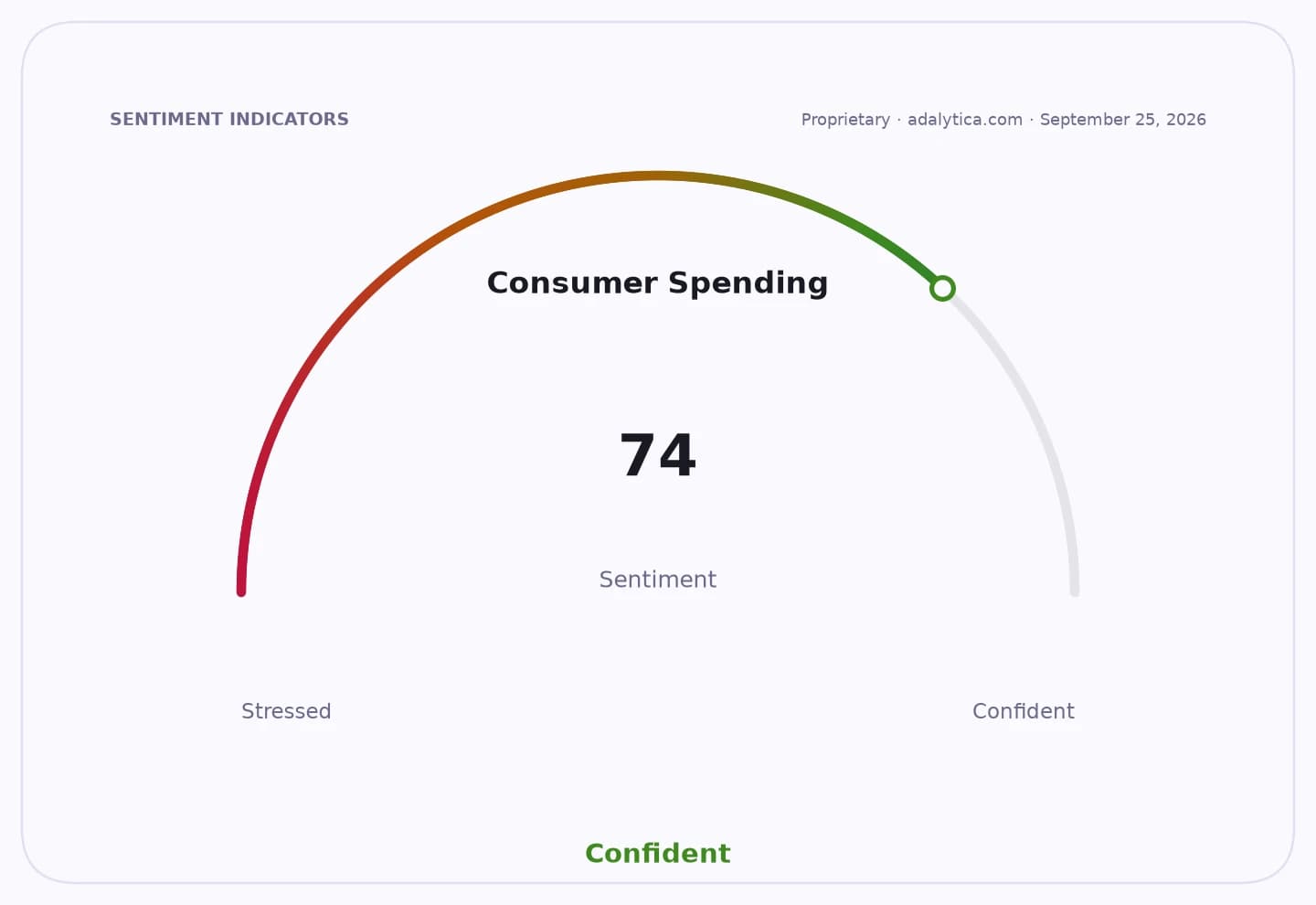
The AI hiring wave is also showing up in global markets, where the trade remains concentrated in the companies supplying the tools and infrastructure. Nvidia shares have climbed to about $207.40, up sharply from below $180 earlier this year, while Microsoft is at roughly $401.10 after a deep spring selloff and Apple has rebounded to $333.26, underscoring how investors keep rewarding firms tied to the AI buildout.
The market backdrop is consistent with a broader labor shift, not just a tech fad. Public and private-sector employers are increasingly looking for people who can deploy AI in operations, product development, cybersecurity and workflow design, while routine work is being automated or reorganized around those tools.
That is why the Australian AI jobs list matters to workers and investors alike: it signals where wage pressure is building, where corporate spending is likely to stay sticky, and which firms may gain from faster adoption. For investors, the biggest question is whether AI remains a net job creator in high-value roles even as it trims lower-value work across the economy.
The next test is whether hiring demand broadens beyond specialist tech teams into finance, health care, manufacturing and government, and whether wage growth in AI-heavy roles feeds through to costs for employers. If Australia’s AI investment cycle keeps expanding while unemployment holds near current levels, six-figure salaries in emerging roles may become less of a novelty and more of a labor-market baseline.
| Entity | Gains | Losses |
|---|---|---|
| AI-skilled workers | ▲Six-figure pay | ▼Generalist applicants |
| Employers adopting AI | ▲Productivity gains | ▼Higher wage bills |
| Nvidia, Microsoft, Apple | ▲More AI spending | ▼Valuation risk if demand slows |
| Traditional routine roles | ▲— | ▼Automation pressure |