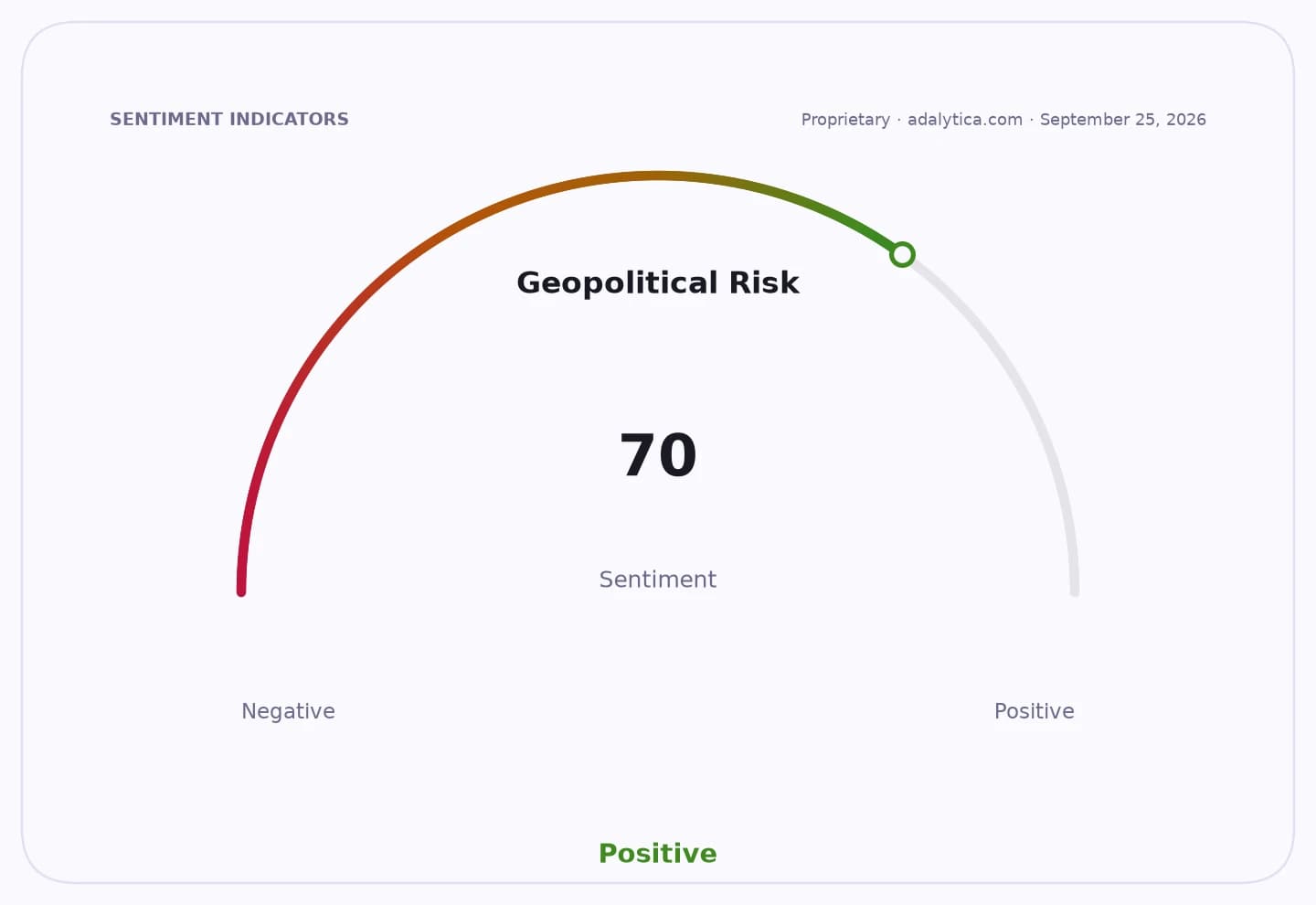
Australia is hardening its language toward China just as the Asia-Pacific security backdrop worsens, a shift that matters far beyond diplomacy because it raises the odds of more defense spending, more supply-chain repositioning and a longer period of volatility for the Australian dollar.
Australia-China Tensions Lift Defense, Pressure FXA at $69.60
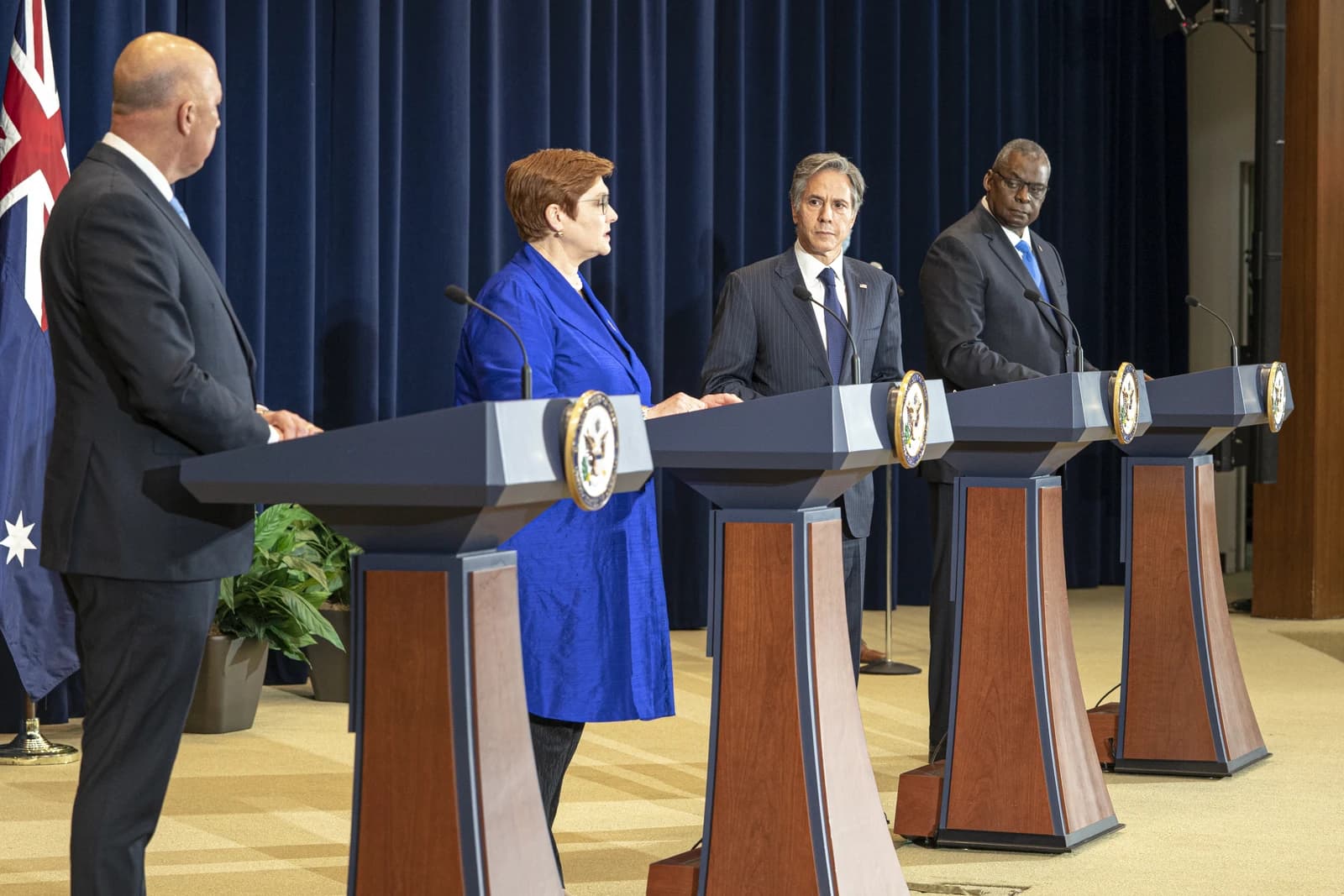
The immediate significance is that Canberra is signaling it will not treat China’s pressure as a routine bilateral irritant. That makes Australia’s stance part of a broader regional pushback that now includes Japan calling China its greatest strategic challenge and the Philippines alleging political interference. For investors, the message is clear: the era of easy China exposure across Australia’s trade, commodities and currency channels is giving way to a more conditional, geopolitically charged relationship.
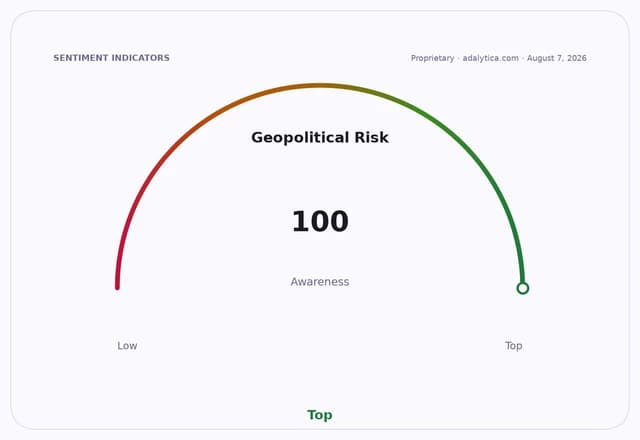
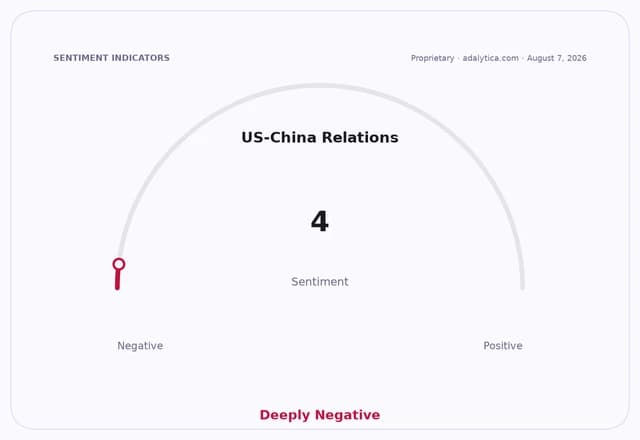
Sentiment IndicatorsⓘProprietary · adalytica.com · August 7, 2026
This is a snapshot — live sentiment, awareness and momentum for 130+ markets update continuously in the dashboard.Open AlphaPulse
That matters economically because Australia sits at the intersection of two competing forces. China remains one of its most important trading partners, yet the security relationship is deteriorating at the same time regional governments are broadening defense coordination. If Beijing responds with harsher trade or diplomatic measures, the pressure would fall first on sectors tied to China demand, but it would also accelerate policy support for defense, critical minerals, maritime security and domestic industrial capacity. In other words, the threat is not just risk — it is capital reallocation.
The market is already leaning that way. The U.S.–China relations gauge from Adalytica.com shows “Extreme Fear,” while China policy direction remains elevated at “Extreme Greed,” a combination that usually precedes more headline-driven volatility rather than calm normalization. The Australian dollar ETF, FXA, has held near $69.60 after recovering from a June slide, with price now above both the 50-day and 200-day moving averages, suggesting traders are not yet pricing a full geopolitical break, but also not fully discounting it. A stronger U.S. dollar backdrop adds another layer of pressure if tensions intensify.
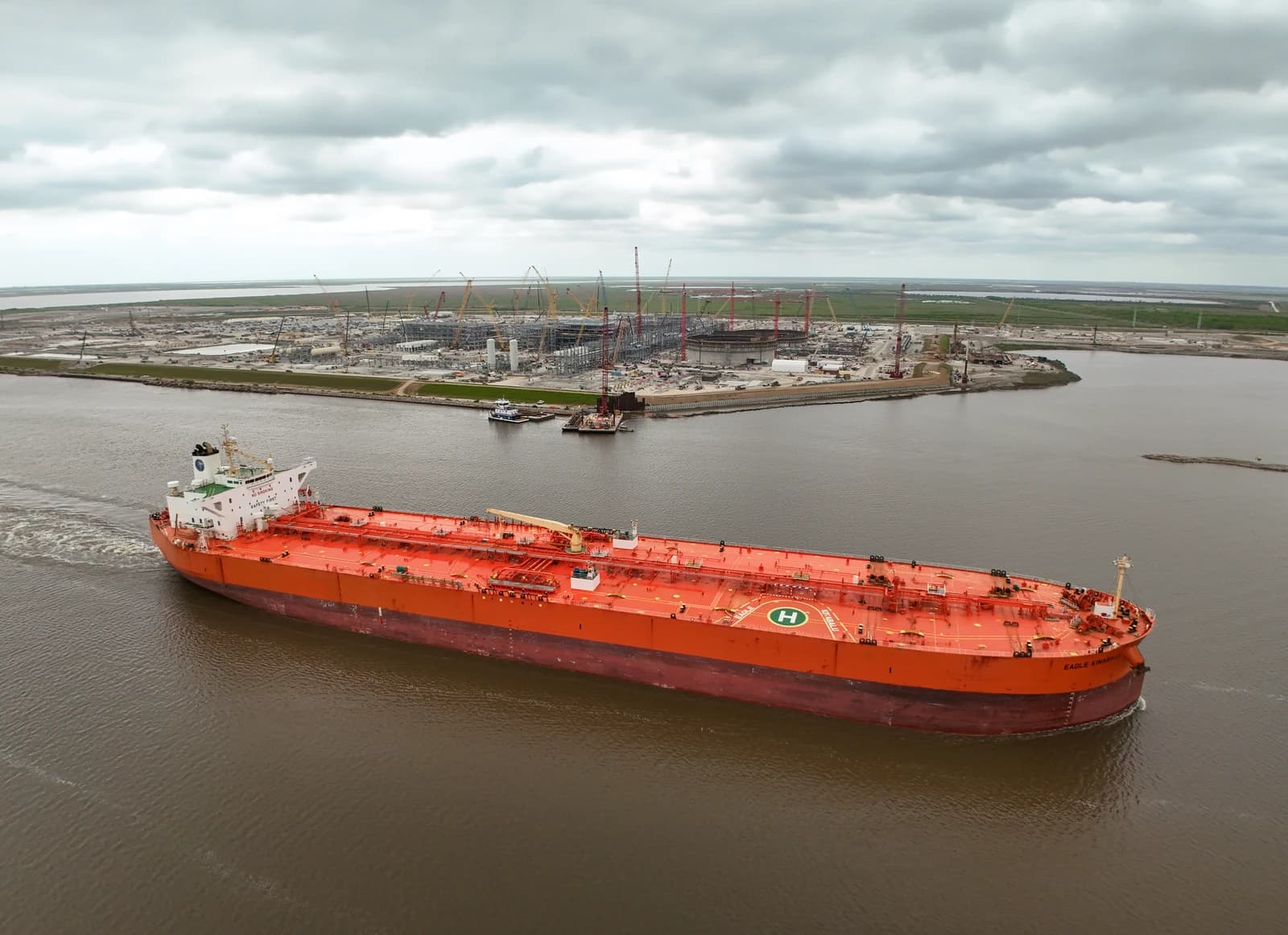
For investors, the real opportunity is in the second-order winners. Defense suppliers, cyber-security names, ports, logistics, LNG infrastructure and companies tied to supply-chain diversification are better positioned than businesses that depend on frictionless China trade. Australian equity exposure is not a blunt bet on China anymore; it is becoming a stock-picker’s market where geopolitical resilience matters as much as resource leverage.
The market underestimates how quickly these tensions can move from rhetoric to earnings. If Canberra’s warning is the first shot in a longer political standoff, the next phase could bring more policy support for national-security industries and more earnings risk for exporters exposed to Chinese demand swings. I believe investors should keep their exposure selective: favor beneficiaries of de-risking, and treat broad Australia-China cyclicals with caution until the diplomatic temperature cools.
| Entity | Gains | Losses |
|---|---|---|
| Australian defense firms | ▲Higher spending | ▼None |
| Critical minerals suppliers | ▲Strategic demand | ▼China concentration risk |
| Exporters to China | ▲Short-term pricing power | ▼Trade retaliation risk |
| FXA / Aussie dollar bulls | ▲Relative stability | ▼Geopolitical premium |