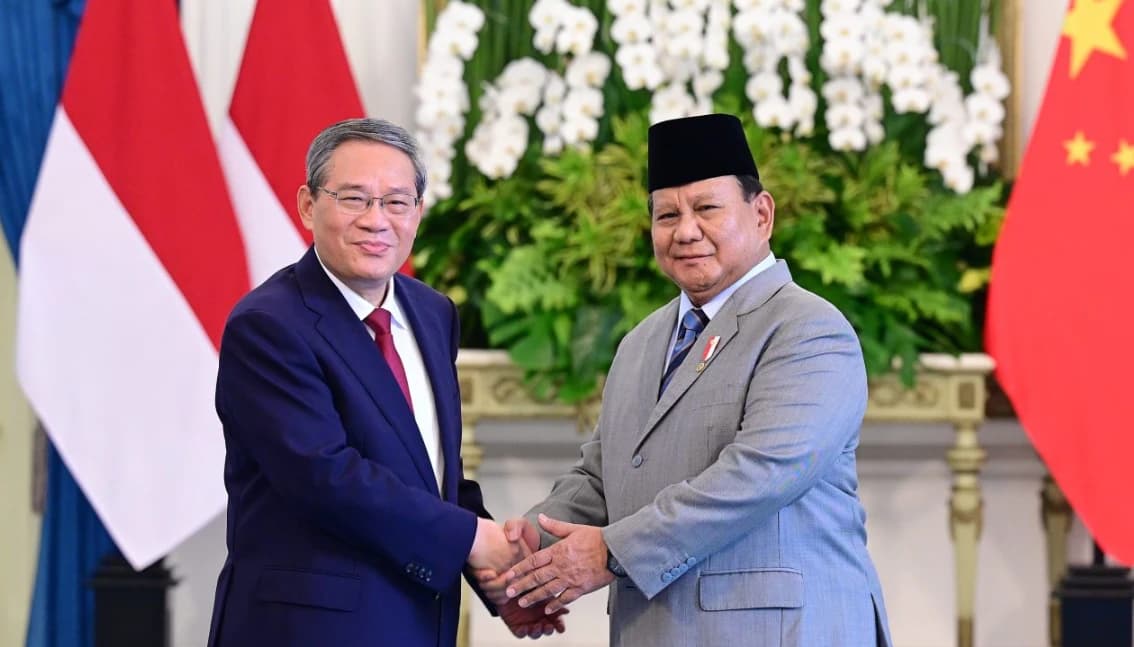
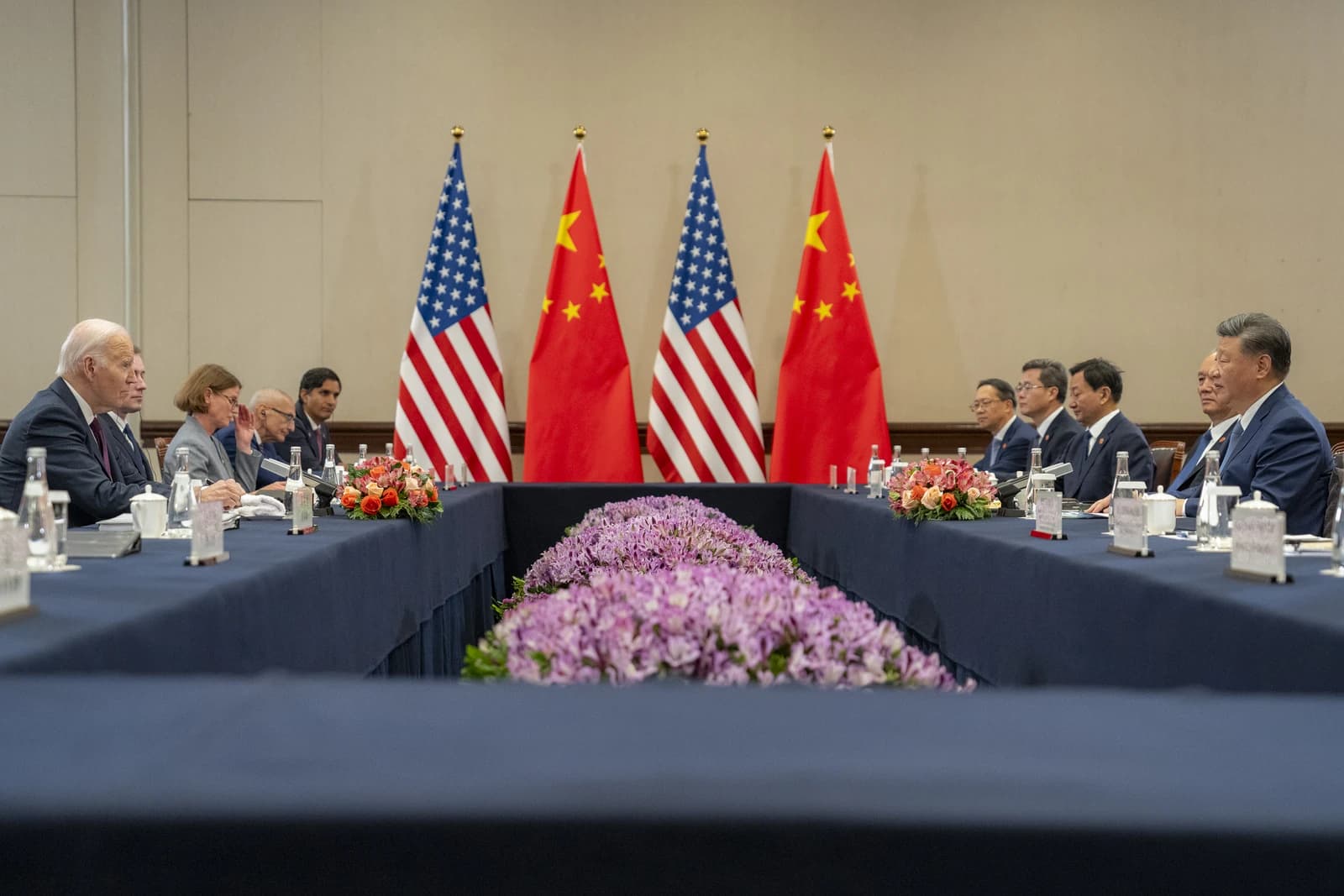
Xi Jinping’s warm welcome for Australian Prime Minister Anthony Albanese is the clearest sign yet that Canberra’s reset with Beijing is moving from diplomatic repair to economic reopening, and investors should treat that as more than symbolism.
Australia China Ties Ease as Albanese Meets Xi
Geopolitical Risk
For Australia, the significance is immediate: a steadier relationship with China lowers the risk premium on the country’s biggest export market and reduces the chance that trade frictions spill back into commodities, tourism and education flows. For China, the payoff is access to a reliable supplier of iron ore, energy and agricultural products at a time when growth is fragile and policy makers want fewer external shocks.
Sentiment Indicators
That matters because markets are already pricing a very different world from the one that existed when bilateral ties were at their lowest point. Chinese demand remains central to Australia’s terms of trade, which means any easing in political tension can feed directly into earnings expectations for miners, ports, shipping and the Australian dollar. The currency has struggled to build momentum, with AUD/USD hovering around 0.67, while the broader market has been waiting for a cleaner China growth signal. A friendlier Beijing-Canberra channel is one of the few catalysts that can improve that backdrop without a major shift in global rates.
The message also lands at a sensitive moment in geopolitics. The Adalytica Global Stability Sentiment gauge is in “Extreme Fear,” reflecting how brittle the international backdrop remains even as U.S.-China relations show only a modest improvement. That makes any de-escalation between China and a major regional ally like Australia more valuable than the headline suggests. It reduces the odds of secondary trade shocks and gives investors a small but meaningful buffer against a wider Asia-Pacific confrontation.
Geopolitical Risk vs FXIadalytica.com
Explore this data interactively — full history, time series and cross-market comparisons.
The market implications are most obvious in Australia-linked assets. EWA, the Australia ETF, has been under pressure, slipping to 27.19 from above 29 earlier in the month, while its 50-day moving average sits just above the current price. The ETF’s RSI has fallen to 26.1, a level that typically points to heavy selling rather than strong fundamentals. If the China channel keeps improving, the market could start to rotate back into battered Australian cyclicals, especially resource names leveraged to Chinese industrial demand.
There is also a broader strategic trade here. China wants political stability with a commodity supplier it cannot easily replace; Australia wants access to its most important customer without being forced into a permanent geopolitical confrontation. That creates a pragmatic equilibrium that can support trade even if the strategic rivalry between Washington and Beijing intensifies. In that sense, Albanese’s role as a “China hand” matters because it suggests Canberra can keep commerce open while still preserving its security alignment with the U.S.
For investors, the thesis is straightforward: the market underestimates how much value can be unlocked when China-Australia relations move from hostile to functional. That does not require a grand alliance, only fewer tariffs, fewer rhetorical shocks and fewer political surprises. Those conditions are enough to lift sentiment in Australian equities, stabilize the currency and keep the commodity complex from pricing in unnecessary risk.
The clearest way to position is to watch for strength in Australia ETFs, major miners and commodity-linked names that benefit from any sustained thaw in Beijing-Canberra ties. If this meeting marks the start of a durable reset, the next move is likely not in headlines but in flows.
| Entity | Gains | Losses |
|---|---|---|
| Australia exporters | ▲Easier China market access | ▼Trade-friction discount |
| Chinese buyers | ▲Stable supply of iron ore and commodities | ▼Dependence on volatile diplomacy |
| EWA / Australia ETF | ▲Re-rating from oversold levels | ▼Geopolitical risk premium |
| U.S.-China hardliners | ▲Little immediate benefit | ▼Reduced leverage from tension |