Australia’s proposed data centre boom could become a major new source of emissions and power demand unless regulators require the facilities to run on renewable energy and storage, a study showed.
Australia data centres may raise power demand and emissions

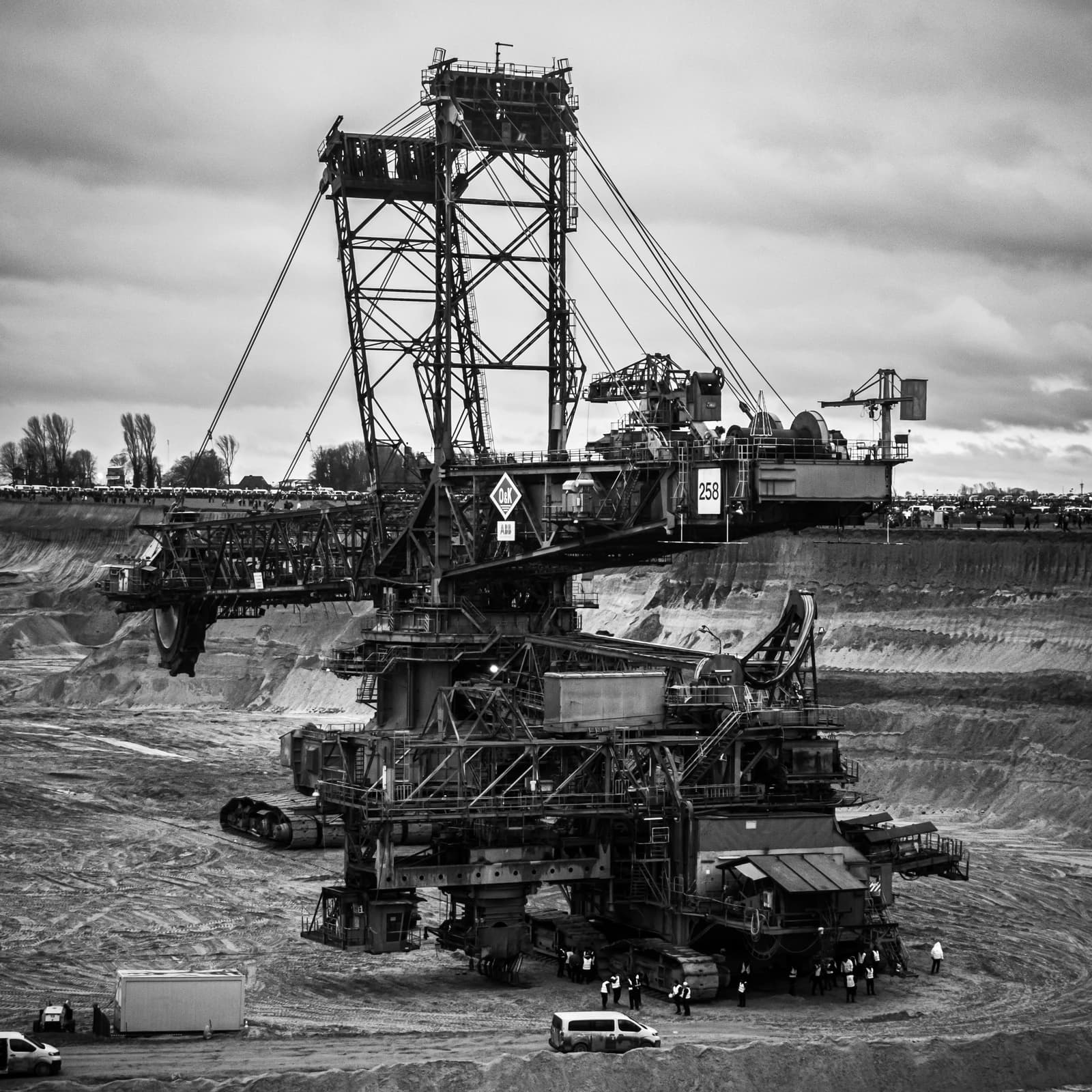
The Climate Council and Carbon Zero Initiative said nine planned projects across New South Wales, Victoria, Queensland and the Northern Territory could emit almost 40 million tonnes of greenhouse gases a year by 2035, roughly comparable with the nation’s three dirtiest coal-fired power stations if they are allowed to operate without clean-energy guardrails.
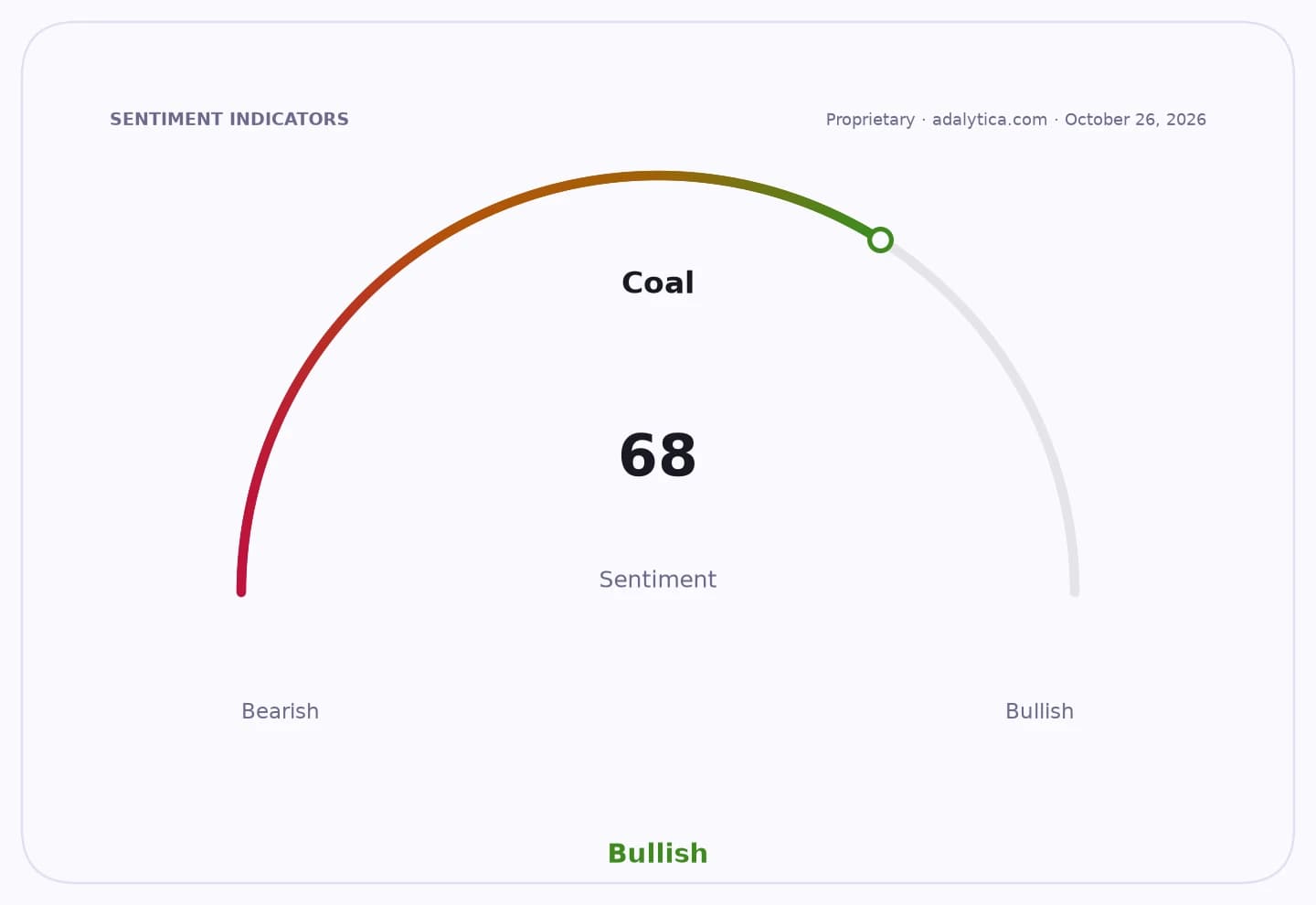
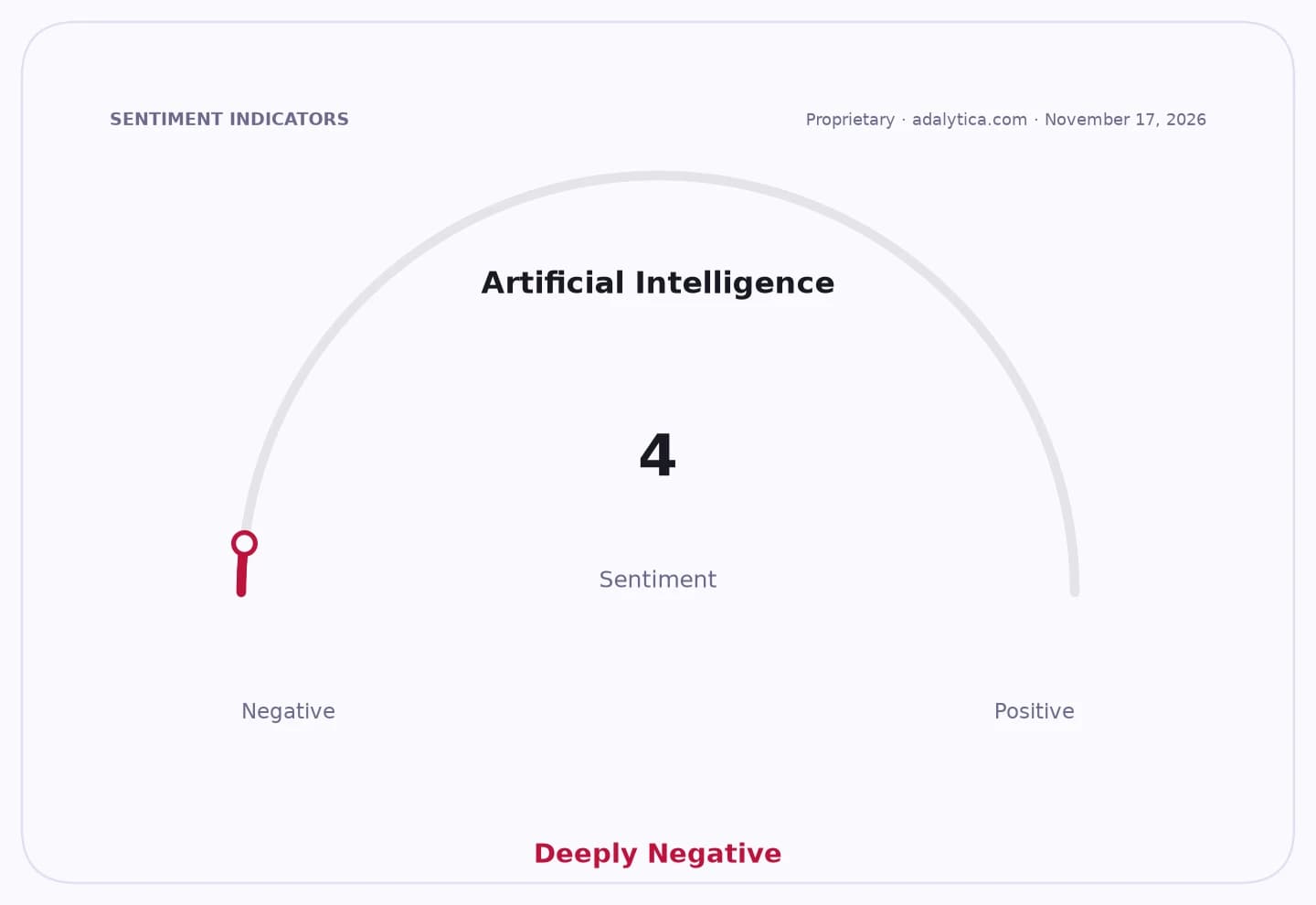
Sentiment Indicators
That scale matters because the new wave of AI infrastructure is no longer just a tech-sector issue. It is an electricity-system problem, a climate-policy test and, potentially, a driver of higher wholesale power prices in Australia’s biggest markets. The report said the facilities could use more than 50 terawatt hours of electricity annually, or more than two-thirds of the power consumed by Australian households, putting fresh pressure on grids already managing the transition away from coal.
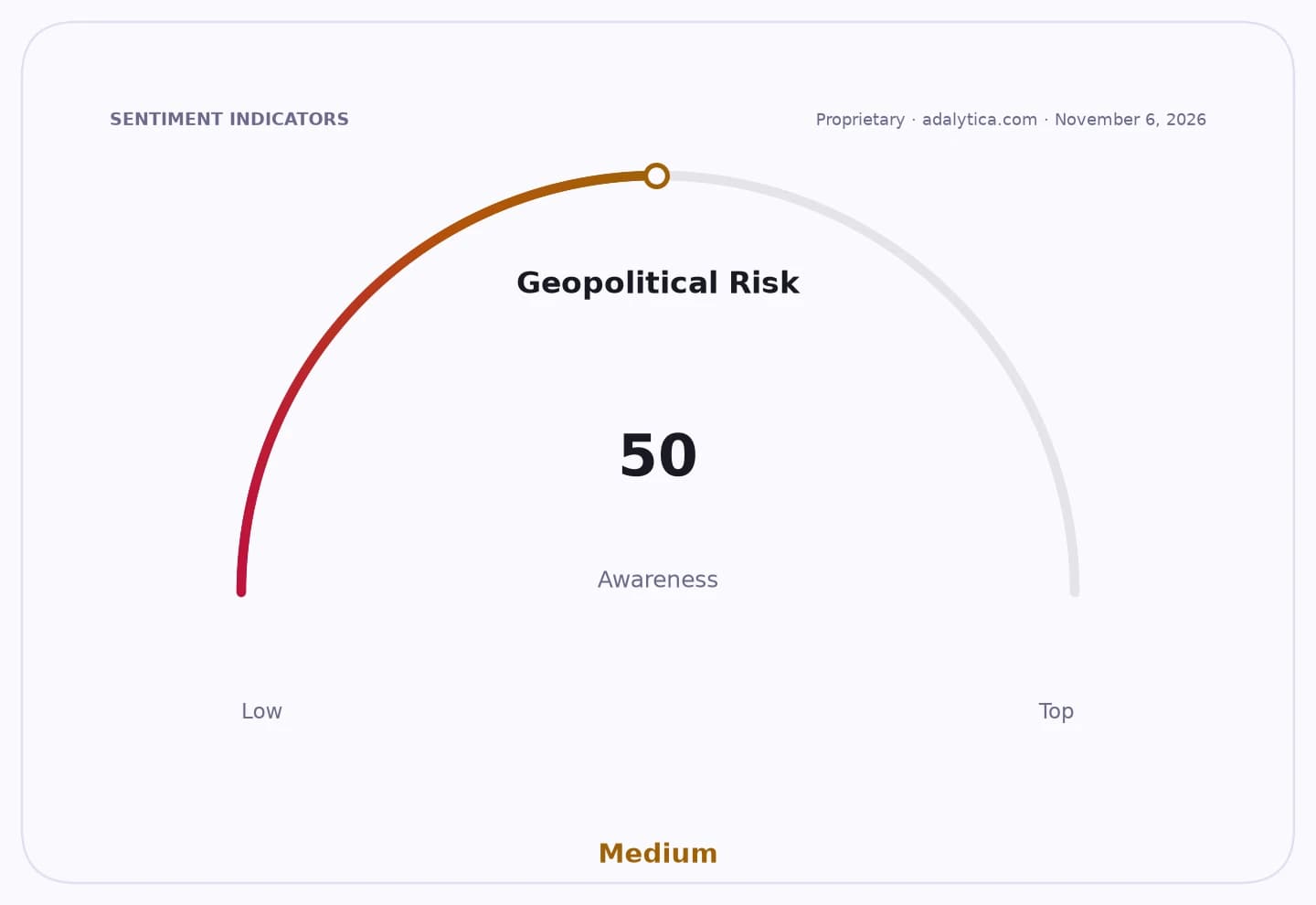
The timing is politically sensitive. Canberra is weighing national rules for data centre developments, including how much energy and water they can use, with draft legislation expected before year-end. The report argues those rules need to apply to all projects above 30 megawatts that begin operating after March 2026, with requirements to match electricity use with renewable generation and storage. It also says gas-fired plants should not be allowed as the main power source for the new facilities and recycled water should be mandated for cooling.
For investors, the issue cuts across several trades. Big technology groups including Alphabet and Microsoft have been pouring capital into data-centre and AI infrastructure, while utilities and grid operators face a potentially large new load that could underpin demand but also force costly network upgrades. At the same time, local opposition and policy tightening could raise execution risk, delay approvals and increase operating costs for developers and cloud providers seeking Australian capacity.
The report’s estimate that wholesale electricity prices could rise by 20% if the projects proceed without renewable matching underscores why this is not simply an environmental campaign point. Higher power costs would hit households and industry, while also changing the economics of where hyperscalers choose to build. In that sense, Australia is becoming a case study for a broader global question: whether AI can be expanded without reversing progress in decarbonising power systems.
University of Sydney researcher Chris Briggs framed the choice bluntly, saying data centres could either slow the cleaning of the grid or, if regulated properly, help accelerate it. That leaves the policy outcome as the key catalyst for the sector. If the government writes strong rules, the winners are likely to be renewable developers, storage providers and compliant data-centre operators. If it does not, the losers could include power consumers, climate targets and investors exposed to higher-carbon infrastructure.
| Entity | Gains | Losses |
|---|---|---|
| Renewable developers | ▲New demand for clean power | ▼— |
| Data centre operators | ▲Faster approvals under clear rules | ▼Higher compliance costs |
| Electricity consumers | ▲— | ▼Potentially higher wholesale prices |
| Coal and gas generators | ▲Short-term demand for power | ▼Risk of regulatory exclusion |