Australian banks have been forced to repay about A$55 million to roughly 1.8 million mortgage holders after a billing error left borrowers paying more interest than they should have, a costly compliance failure that puts the industry’s treatment of offset accounts and mortgage administration under sharper scrutiny.
Australian banks face mortgage refund and scrutiny

The repayment order matters because it goes straight to the economics of Australia’s housing finance system: even relatively small errors can scale into material losses when they affect millions of loans. For borrowers already squeezed by higher mortgage rates, the mistake effectively doubled the pain by compounding interest charges that should have been reduced through offset arrangements. For the banks, the episode adds another layer of legal, operational and reputational risk at a time when lending margins are under pressure and regulators are increasingly focused on consumer outcomes.
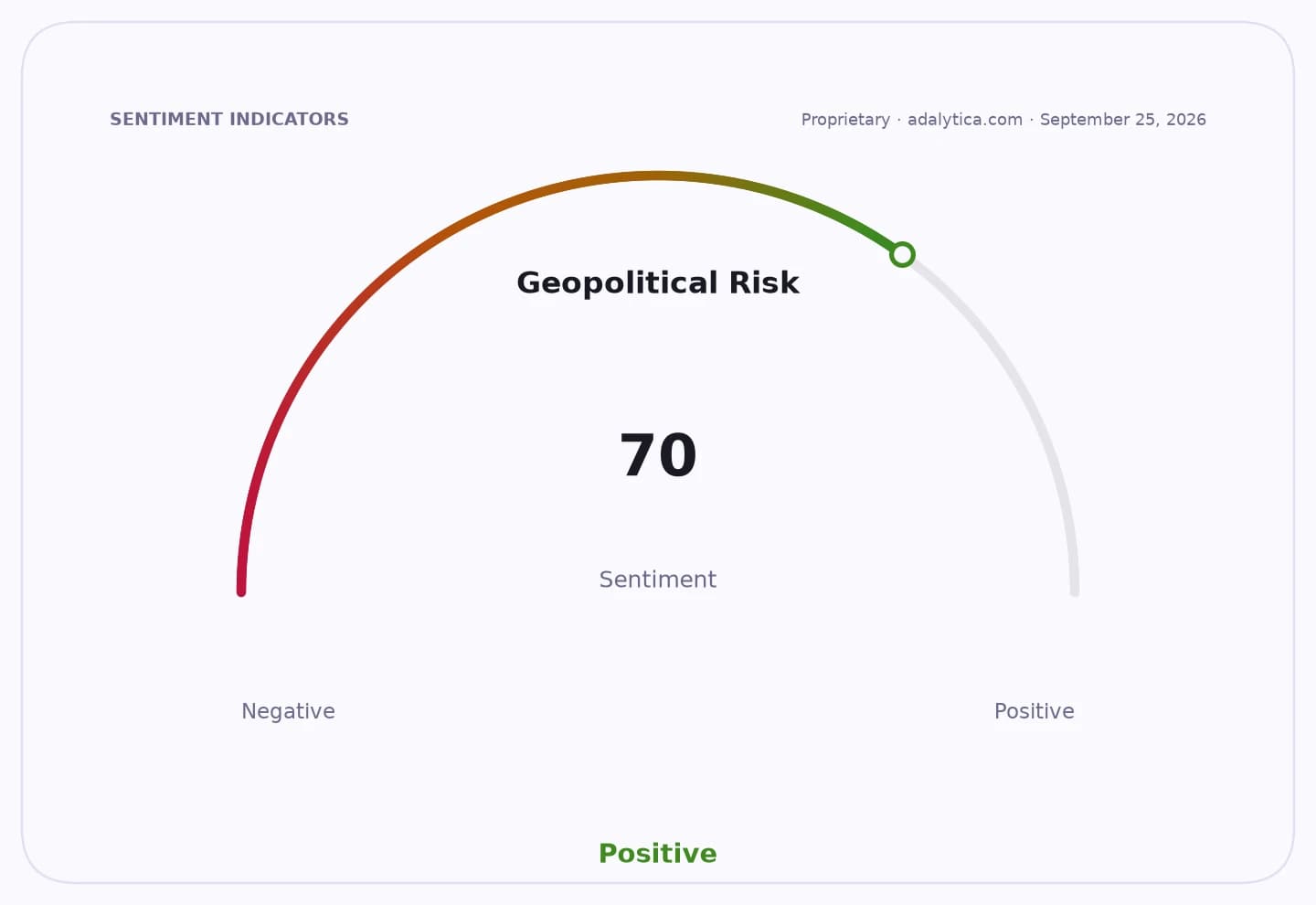
Sentiment IndicatorsⓘProprietary · adalytica.com · July 29, 2026
This is a snapshot — live sentiment, awareness and momentum for 130+ markets update continuously in the dashboard.Open AlphaPulse
The issue is especially important because offset accounts are central to how many Australian households manage mortgage debt. When those accounts are misapplied, borrowers can lose savings on interest payments for months or longer before the error is detected. That makes the problem not just a refund matter but a trust issue: it raises questions about the accuracy of loan servicing systems, the quality of internal controls and whether banks are identifying customer harm quickly enough.
For the major lenders, the direct cash cost is manageable relative to balance sheets, but the broader implications are less so. Repayments, remediation costs and any follow-on penalties can weigh on profitability, while class-action or compensation risk can linger if more affected customers emerge. Investors will also focus on whether the issue prompts tougher supervision from the Australian Securities and Investments Commission and whether banks face more expensive compliance upgrades in mortgage operations.
The case arrives against a backdrop of intense scrutiny of household lending, with mortgage affordability strained by elevated rates and regulators pressing institutions to prove they are treating customers fairly. In that environment, operational mistakes can become market issues: they can erode confidence in earnings quality, increase the cost of doing business and force banks to divert management attention away from growth.
For investors, the key question is whether this proves to be a contained remediation event or a sign of broader control weaknesses across the sector. The direct financial hit is small enough to absorb, but the reputational damage and regulatory follow-through could be more meaningful if similar errors surface elsewhere. The episode is a reminder that in banking, lending scale is only an advantage when the back office is precise enough to keep pace with it.
| Entity | Gains | Losses |
|---|---|---|
| Mortgage holders | ▲Refunds and lower interest costs | ▼Delayed recognition of overcharges |
| Major Australian banks | ▲Limited if issue stays contained | ▼Repayment costs and reputational damage |
| Regulators | ▲Stronger case for oversight | ▼Pressure to prove consumer protection works |
| Bank shareholders | ▲None if controls improve | ▼Earnings hit and compliance risk |