Kia’s new 26 million dong incentive on the Soluto is another sign that carmakers are being forced to defend demand with discounts, not just product upgrades. For investors, that matters because it shows how fragile pricing power can be when households are squeezed by high living costs, financing remains expensive and consumers keep comparing the cost of a new car with the rising expense of keeping an old one on the road.
Auto Incentives Signal Margin Pressure
This is not just a Kia story. The pattern is spreading across the market, with Toyota and VinFast also adjusting prices and incentives as automakers compete for buyers in a tougher environment. When the industry leans on rebates to move metal, it can protect showroom traffic in the short run, but it also puts pressure on margins and reminds investors that volume growth and profit growth are not the same thing.
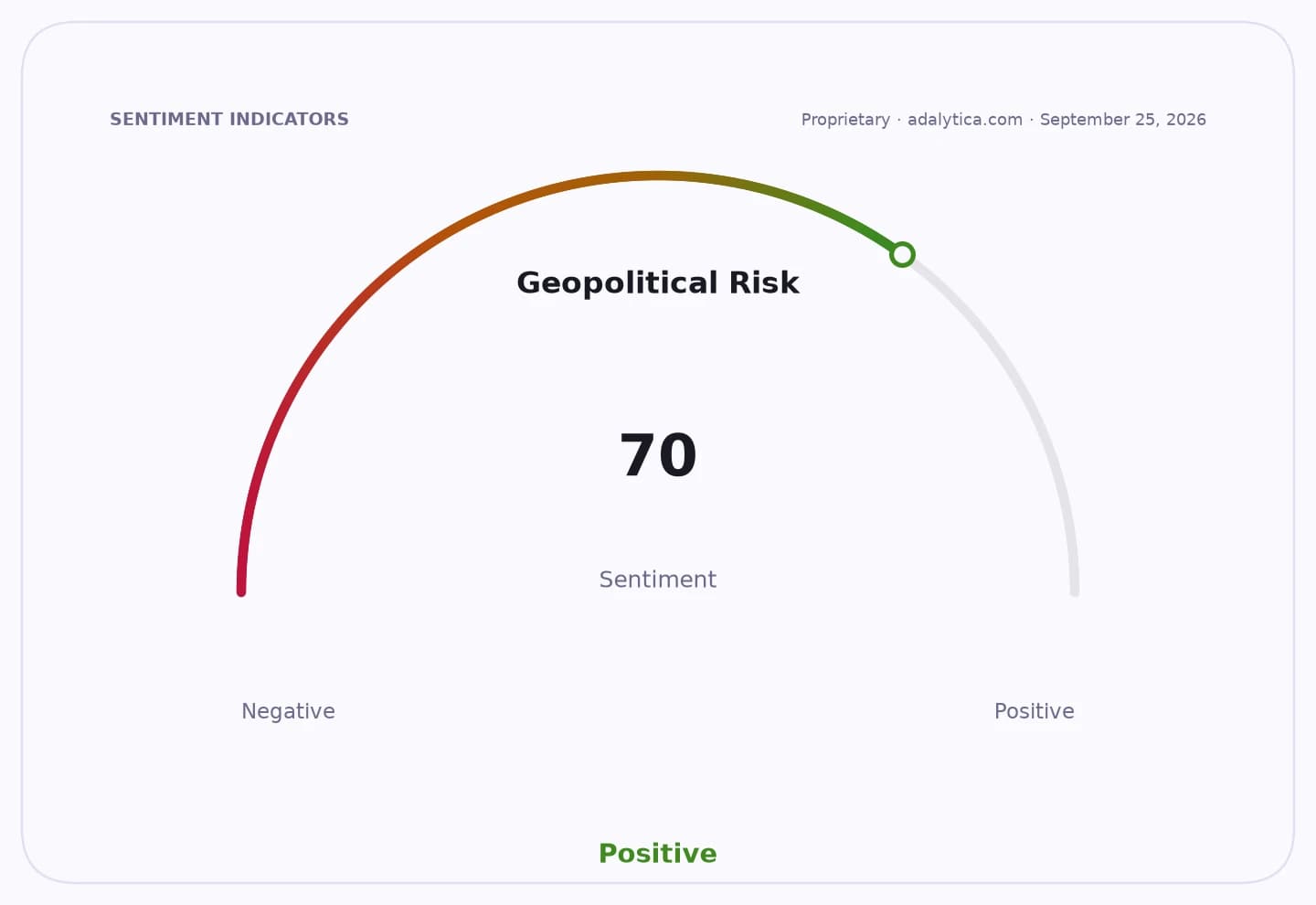
Sentiment IndicatorsⓘProprietary · adalytica.com · July 15, 2026
This is a snapshot — live sentiment, awareness and momentum for 130+ markets update continuously in the dashboard.Open AlphaPulse

The backdrop helps explain why. U.S. consumer prices are still running above the level that would make car affordability feel easy, even if inflation has cooled from its peak. At the same time, unemployment remains relatively low, which is preventing a full demand collapse, but not enough to restore the kind of carefree spending that supports robust pricing. That leaves automakers in a balancing act: cut prices enough to keep buyers engaged, but not so much that profits vanish.
You can see that tension in the market, too. Toyota’s U.S.-listed shares have held up better than many peers, even after a sharp spring selloff, and the stock is still trading well below its 200-day moving average. BMW’s U.S.-listed shares have also been volatile, while Mercedes-Benz has looked steadier but remains under pressure from a luxury market that still depends on wealthy buyers feeling confident. In other words, the sector is not being rewarded for selling more cars alone — investors want evidence that earnings can grow without constant discounting.
For long-term investors, that is the real takeaway. A wave of incentives can be a warning sign for carmakers, but it can also create opportunity for the strongest brands, the best distribution networks and the companies that keep turning vehicles into recurring service, financing and parts revenue. Those businesses tend to weather pricing wars better than manufacturers that live and die by showroom transactions.
So if you are thinking in years, not weeks, this is a market to watch closely rather than chase blindly. The big question is whether today’s price cuts are a temporary response to softer demand or the beginning of a longer reset in auto pricing power. Either way, the companies with the deepest moats and the most disciplined capital allocation are the ones most likely to compound through it. Worth watching, and for patient investors, worth keeping on the watchlist.
| Entity | Gains | Losses |
|---|---|---|
| Car buyers | ▲Lower upfront prices | ▼Less urgency to buy now |
| Carmakers like Kia | ▲Higher showroom traffic | ▼Margin pressure |
| Toyota and VinFast | ▲Competitive share defense | ▼Pricing discipline |
| Existing auto investors | ▲Clearer value setups | ▼Risk of weaker earnings |