A new home can come with an unwelcome surprise: the previous owner’s unpaid utility and building charges, a problem that can quickly turn a long-awaited purchase into a costly legal and financial headache.
Azerbaijan Homebuyers Face Unpaid Utility Debts
The core issue is not just a nuisance bill. It is a reminder that in property markets, the paperwork around ownership can matter as much as the price of the apartment itself. In Azerbaijan, the legal obligation for electricity, gas, water and building-management fees generally rests with the person who consumed the services and signed the contract, not automatically with the new buyer. But utility providers can still block account changes until debts are cleared, which means an inherited balance can freeze a new owner’s ability to put a home fully in their name.
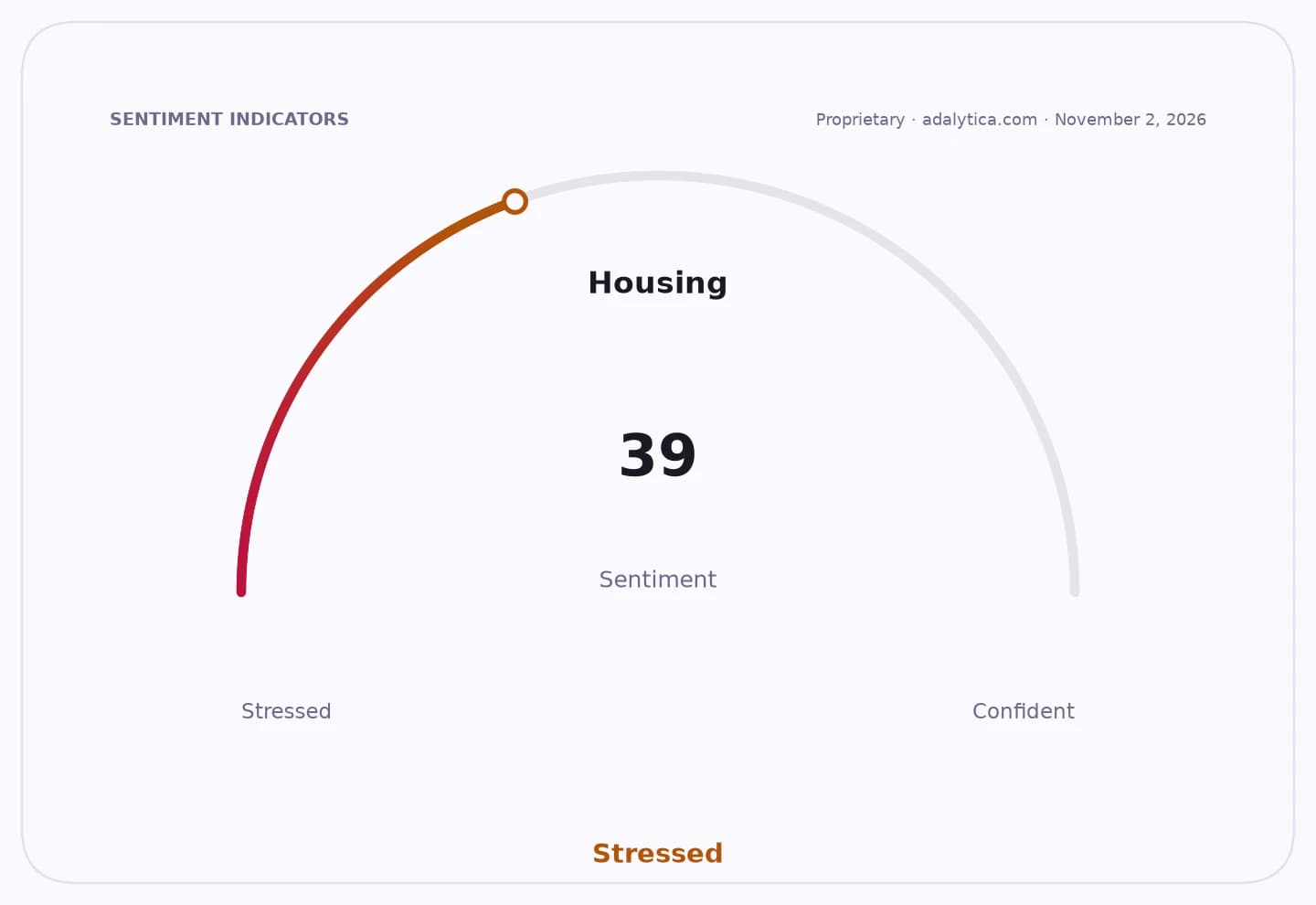
Sentiment Indicators
That makes this more than a consumer-protection story. For households, hidden arrears can absorb thousands of manats right after closing, when savings are already stretched by down payments, moving costs and repairs. For the broader housing market, it adds friction to transactions and weakens confidence in new-build and resale purchases. Buyers who think they are buying a clean title can end up inheriting a dispute instead, unless debts are checked before money changes hands.
The warning is especially relevant in fast-moving urban markets like Baku, where building-management charges, security costs, lift maintenance and cleaning fees can pile up alongside utilities. Those fees are often easy to overlook during a sale, yet they can become the first source of conflict between the buyer, the seller and the management company. The most practical safeguard is also the simplest: verify the ownership extract, check for liens or mortgages, confirm who is registered at the property and document meter readings and outstanding balances in the handover act.
That advice matters because the economics of housing are increasingly shaped by hidden liabilities, not just sticker prices. Across markets, rising debt burdens are forcing banks and collection agencies to work harder to recover arrears, and a similar logic applies at the household level: the longer a liability goes unchecked, the more expensive it becomes to resolve. Even where the debt legally belongs to the seller, the buyer may still have to fight to restore normal service and avoid delays in registration.
For investors, the lesson is broader than one apartment in Azerbaijan. Housing markets perform best when ownership is transparent, servicing costs are clear and collections are predictable. Anything that complicates transfer or raises the risk of post-sale disputes tends to slow turnover and hurt confidence. That can pressure developers, management firms and lenders over time, while rewarding the parties that provide cleaner documentation and better due diligence.
The takeaway for homebuyers is straightforward: don’t just inspect the walls and finishes. Before you close, make sure the legal and коммунal liabilities are clean too. In real estate, the cheapest mistake is usually the one you catch before signing, and that makes this an issue worth watching closely for anyone buying property or investing in housing-related assets.
| Entity | Gains | Losses |
|---|---|---|
| Careful homebuyers | ▲Avoid hidden liabilities | ▼Pay inherited arrears |
| Sellers with unpaid bills | ▲Transfer unresolved debt | ▼Risk disputes and delays |
| Utility providers / management firms | ▲Recover overdue payments | ▼Face more complaints |
| Housing market confidence | ▲Clearer transactions | ▼Weaker trust if debts surface |