The Azores has used a three-island gathering to reaffirm a long-running political and cultural project: turning its diaspora in Brazil into a more active social and economic bridge at a time when small regions are under pressure to widen their external networks.
Azores deepens diaspora ties with Brazil meeting
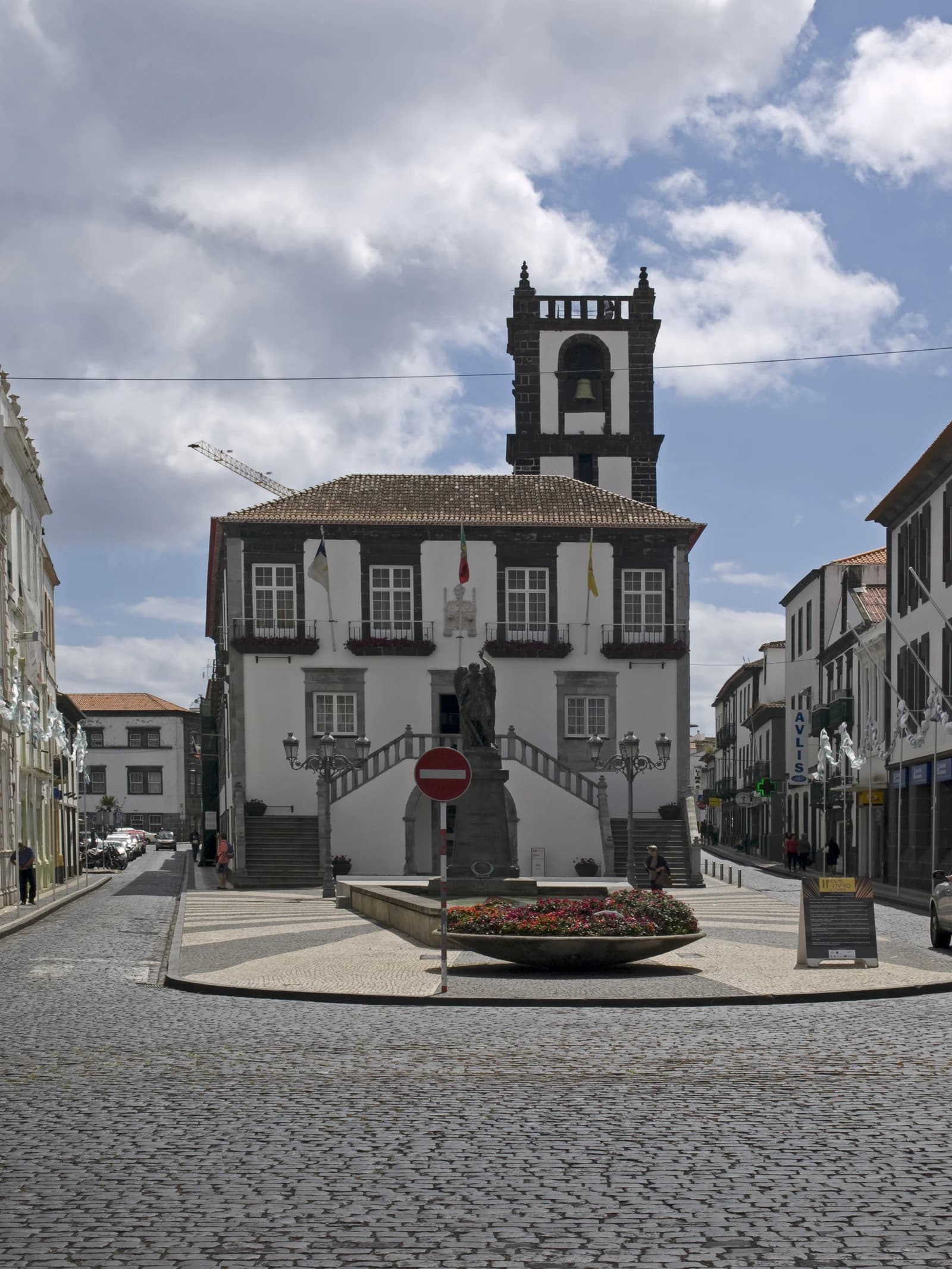
The seventh Azores-Brazil Meeting brought leaders of six of the seven Azores houses in Brazil to São Jorge, Pico and Faial from Oct. 13 to 15, in a program that mixed school outreach, public events and talks with the regional government’s communities directorate. That matters because the relationship is no longer just ceremonial. For the Azores, Brazil remains the first major destination of emigration from the archipelago and, today, the largest immigrant community in the islands. In other words, the connection runs in both directions and has economic as well as cultural weight.
The practical significance lies in the institutionalisation of that link. By gathering the presidents of the houses in Rio de Janeiro, Sao Paulo, Espirito Santo, Santa Catarina, Rio Grande do Sul and Maranhao — with only Bahia absent — the regional government is trying to convert a historic identity bond into a network that can coordinate lobbying, education, tourism and business ties across a country the size of a continent.
That is especially relevant for a region such as the Azores, where outward links can matter more than scale. Diaspora organisations can help preserve language and identity, but they also create channels for trade promotion, investment referrals, student exchanges and tourism flows. The presence of the leaders in schools on Pico and Faial suggests the government is trying to widen the story beyond heritage and into the younger generation, which is essential if the relationship is to survive another generation of migration and demographic change.
Several participants framed the value in those terms. Representatives said the encounter deepened cooperation among houses that are geographically dispersed across Brazil and made it easier to discuss shared proposals. The presentation of the book “Somos Açores”, built around interviews with association leaders in Brazil, also underlines the effort to document and formalise the network rather than treat it as loose nostalgia.
For investors, the direct market impact is limited, but the story still has relevance. Diaspora diplomacy can support sectors that depend on external demand, particularly tourism, education and small-scale exports. It can also strengthen the Azores’ visibility inside Portugal and abroad at a time when regions increasingly compete for visitors, talent and institutional attention. If the government can turn these meetings into recurring platforms with measurable outcomes, the payoff could be better international reach for local businesses and stronger cultural branding for the islands.
The upside case is that the Azores-Brazil relationship becomes a low-cost, high-return soft-power asset, reinforcing tourism and commercial links without heavy public spending. The bear case is that the meetings remain symbolically rich but economically thin, producing few concrete projects beyond speeches and commemorations.
Either way, the message from the three-island meeting is clear: for the Azores, the diaspora is not a side note to regional policy. It is part of how the islands project themselves economically, culturally and politically in the Atlantic world.
| Entity | Gains | Losses |
|---|---|---|
| Azores regional government | ▲Wider external network | ▼Limited follow-through risk |
| Azorean diaspora in Brazil | ▲Greater institutional visibility | ▼Distance and fragmentation |
| Local schools and communities | ▲Cultural exchange | ▼Short-term, symbolic focus |
| Tourism and local businesses | ▲Brand and relationship building | ▼Lack of immediate commercial outcomes |