Demand for travel cash is broadening in 2026, and that matters because it points to changing holiday patterns, more advance planning by consumers and a reminder that physical currency still has a role even in a fast-digitalizing payments world.
Unicâmbio sees broader travel cash demand in 2026
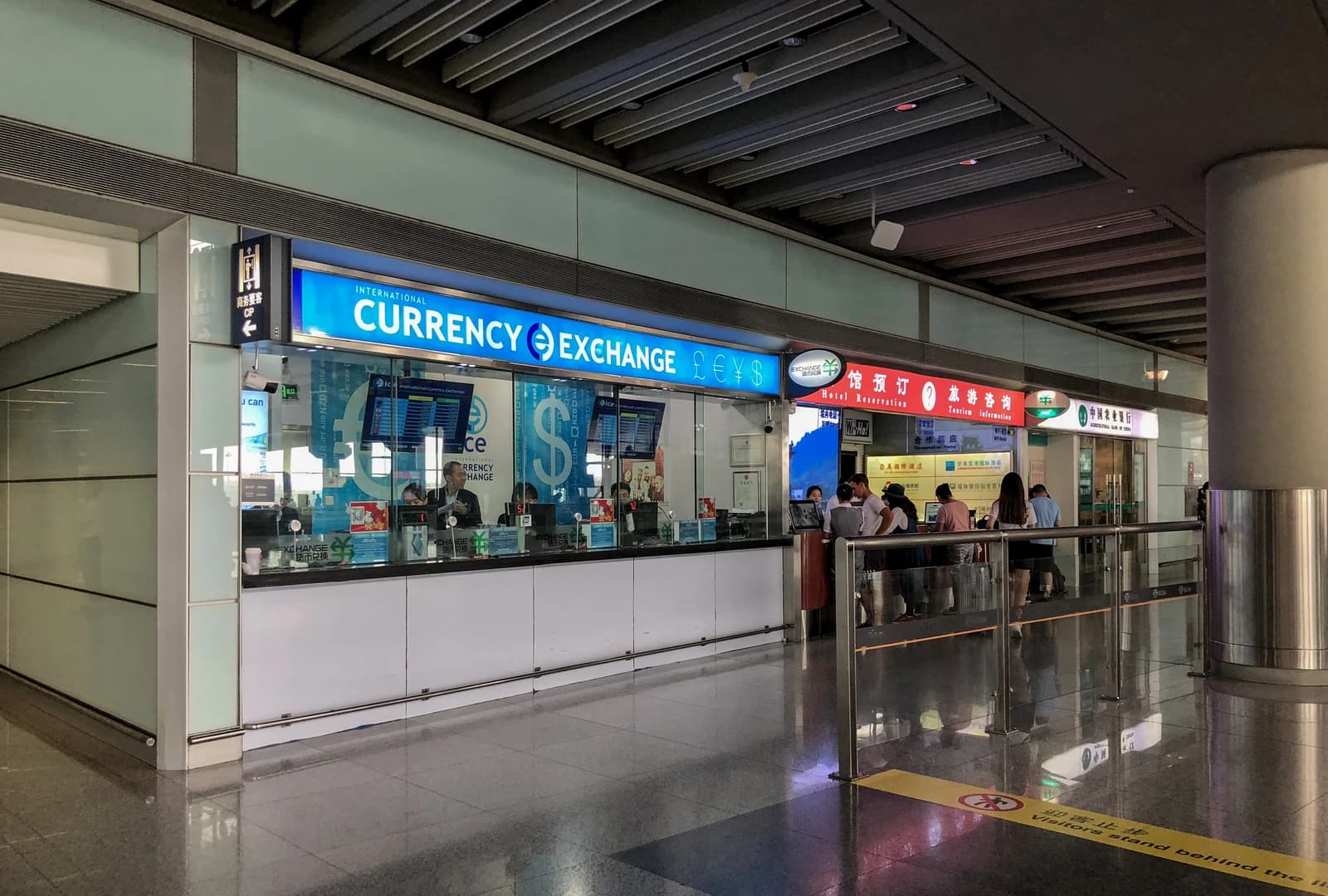
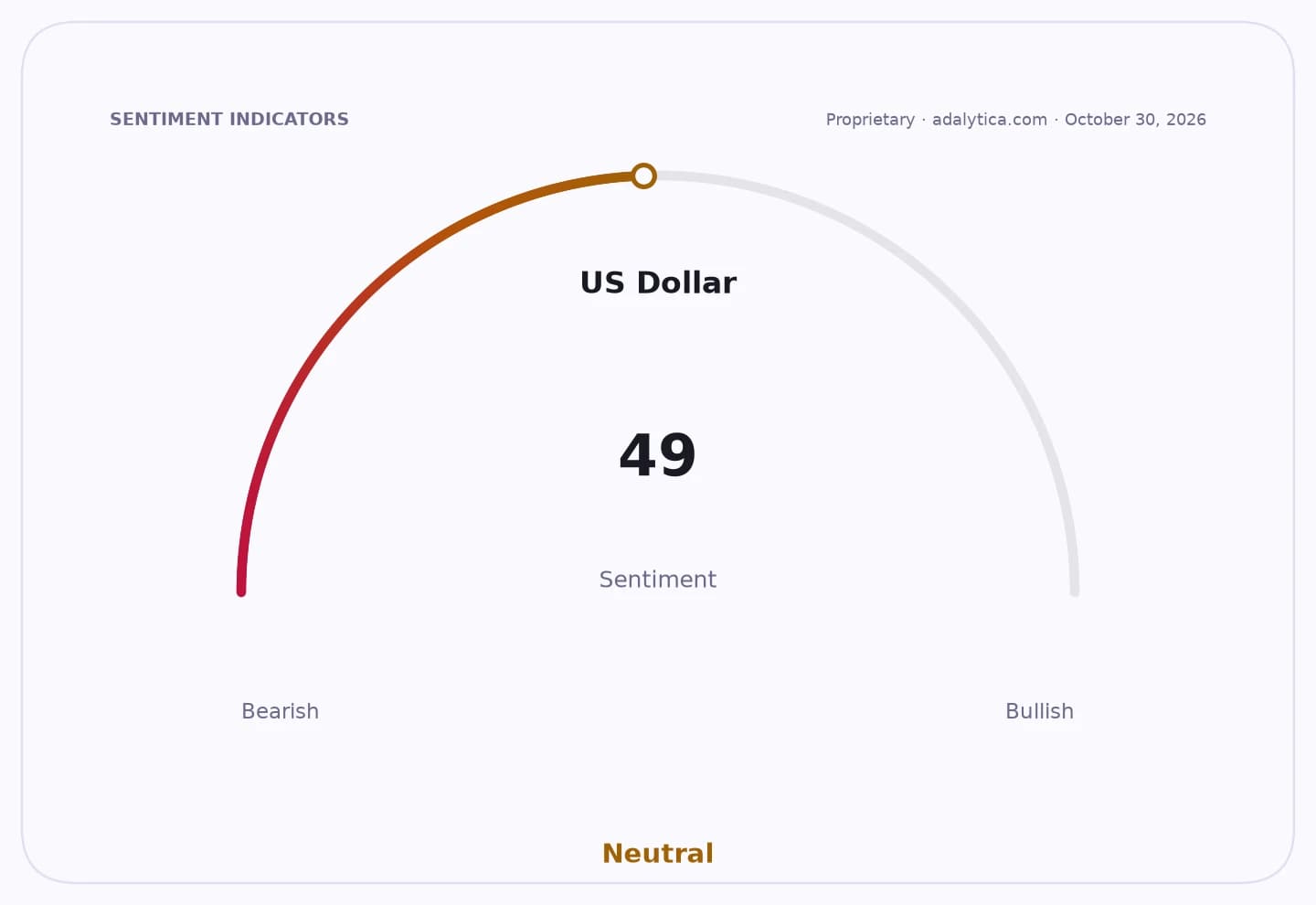
Unicâmbio Economia said it has seen a rise in foreign-currency demand this year versus 2025, with the strongest momentum coming from currencies tied to destinations outside Europe — especially the Japanese yen, South Korean won, Thai baht, Turkish lira and Icelandic krona. The US dollar and British pound remain the most sought-after currencies, but the company said the mix of purchases shows greater diversification.
Sentiment Indicators
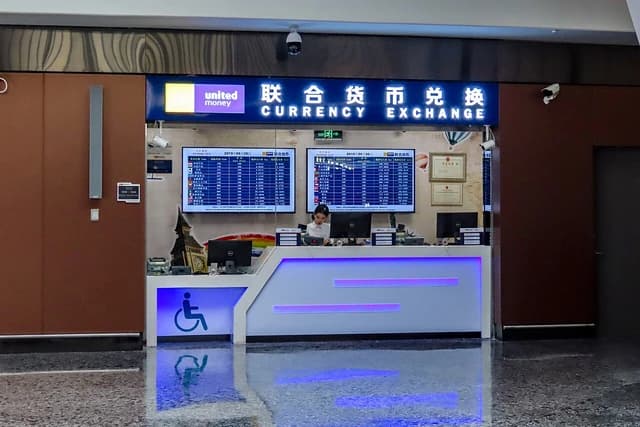
That shift is economically relevant because travel spending is one of the clearest ways households express confidence and preferences. If more Portuguese travelers are booking trips to Asia and other non-European destinations, that supports airlines, tourism operators, hotel groups and foreign-exchange providers that cater to outbound travel. It also suggests that consumers are planning farther ahead, since Unicâmbio said more customers are reserving currency through its website and Unimoney app before picking it up at a branch.
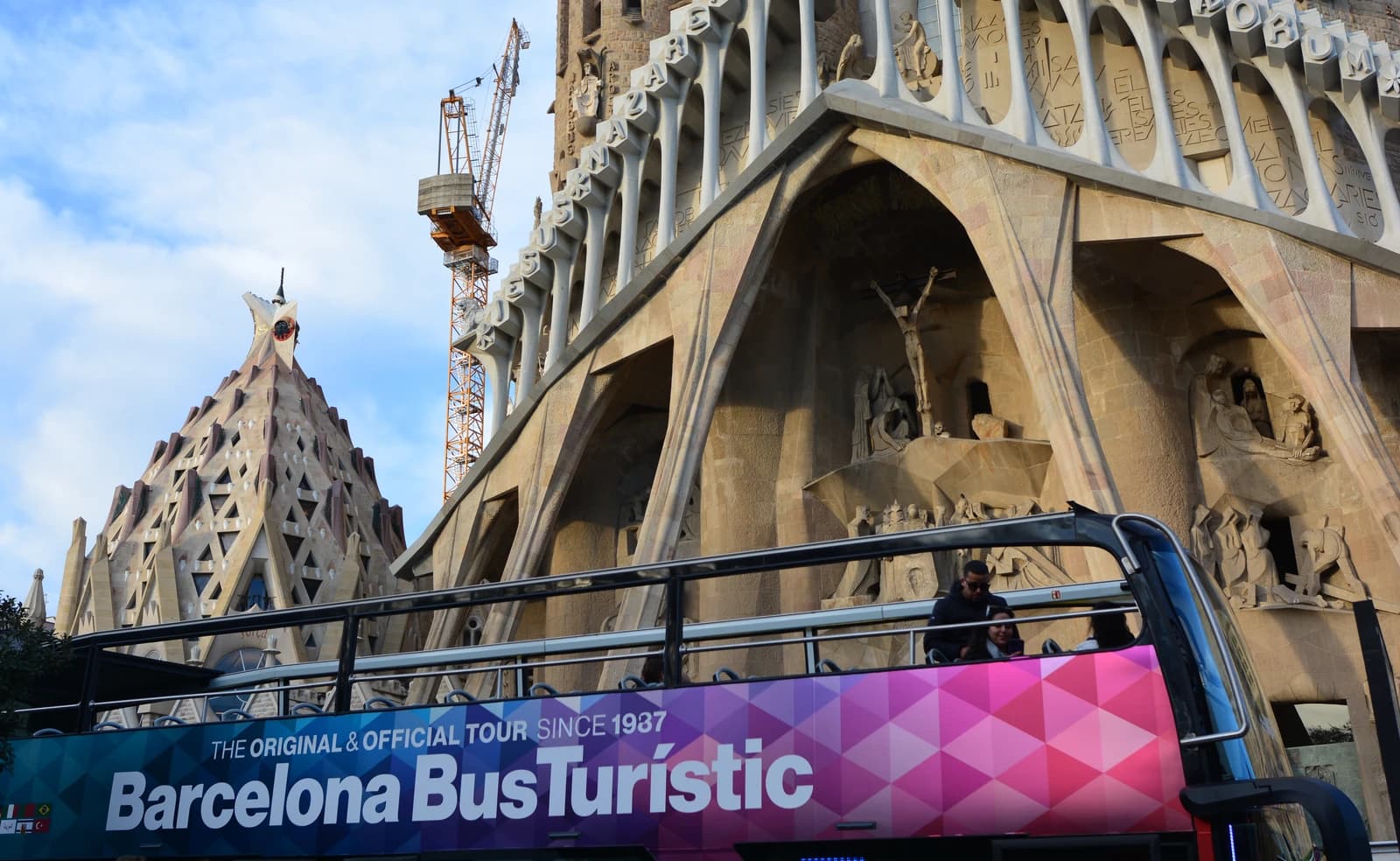
For investors, the detail that matters is not just higher demand for cash, but where that demand is going. Greater interest in currencies such as the baht and krona points to winter travel as well as the traditional summer, Easter and Christmas peaks. That can help payment businesses smooth revenue beyond the usual holiday bursts, while also reinforcing the case for diversified travel exposure rather than betting on just Europe-bound tourism.
Euro
Unicâmbio also framed the trend as a vote for cash as a backup payment method. The company cited a GAD3 European barometer saying 70% of Portuguese respondents placed greater importance on cash after April 2025’s blackout, and 97% believe cash payments should remain available. That is a useful reminder for investors that card networks and digital wallets are not the only way people move money when they travel, especially in markets where cash remains common or where outages can disrupt electronic systems.
The company, which is supervised by Banco de Portugal and offers more than 56 currencies through more than 80 branches, said customers can also exchange unused currency on their return. It did not quantify the increase in demand, so the announcement is best read as a directional signal rather than hard evidence of a surge.
Still, the bigger long-term takeaway is clear: travelers are becoming more global, planning earlier and keeping cash in the mix. For investors watching the tourism ecosystem, that is a trend worth keeping on the radar.
| Entity | Gains | Losses |
|---|---|---|
| Unicâmbio | ▲More demand for FX services | ▼Less relevance if cash use keeps fading |
| Portuguese travelers | ▲More payment flexibility abroad | ▼Higher need to plan and carry cash |
| Travel and tourism operators | ▲Benefit from wider destination mix | ▼Face exposure to FX swings and outages |
| Digital-only payment players | ▲Less dependence on cash use | ▼Miss transactions in cash-heavy destinations |