Bahrain’s annual inflation rate rose 2.3% in June, a reminder that even in an era of cooling price pressures in some major economies, smaller import-dependent markets remain vulnerable to swings in energy and supply costs.
Bahrain inflation rises 2.3% in June
That matters because inflation is not just an abstract number for Bahrain. A higher price level squeezes household purchasing power, lifts business input costs and can complicate the central bank’s room to support growth. For investors, the key question is whether this is a one-month wobble or the start of a broader upswing driven by imported inflation.
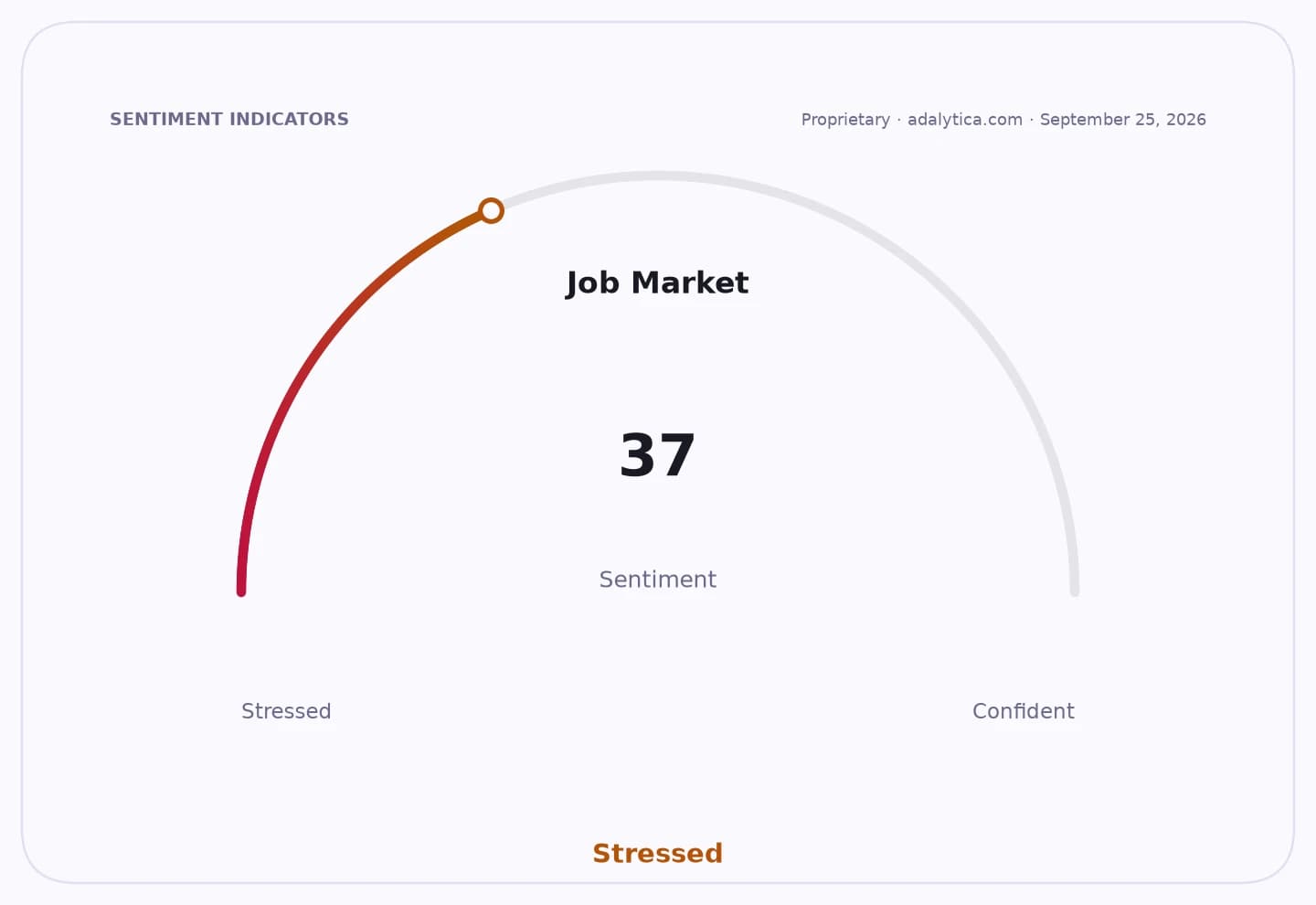
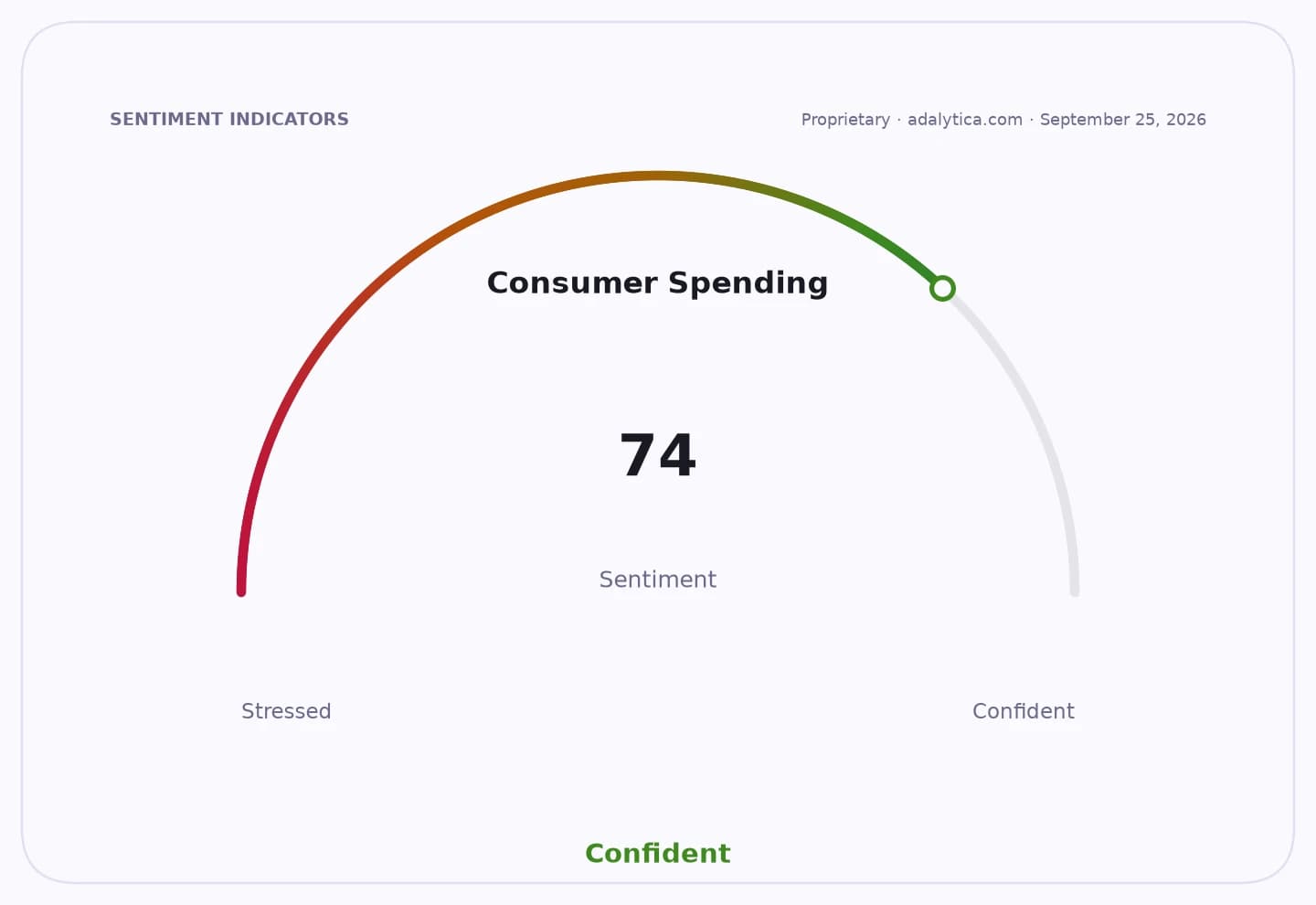
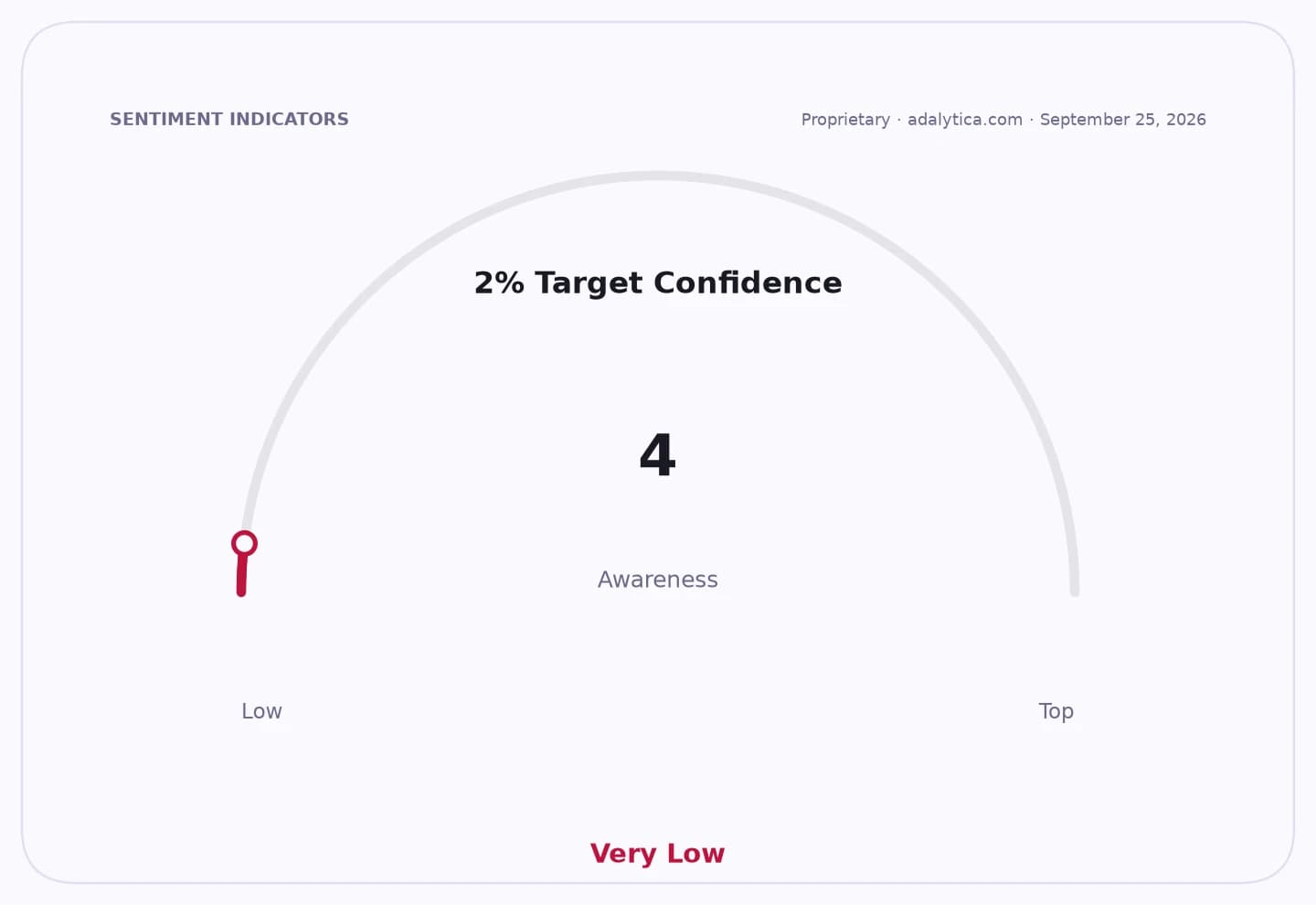
Sentiment IndicatorsⓘProprietary · adalytica.com · July 29, 2026
This is a snapshot — live sentiment, awareness and momentum for 130+ markets update continuously in the dashboard.Open AlphaPulse
The read-through becomes more important against the backdrop of rising geopolitical risk in the Middle East. The National Bank has warned that conflict in the region could disrupt supply chains and energy markets in the second half of 2026, potentially feeding fresh inflation into economies that rely heavily on imports. Bahrain is exactly the kind of market where that risk can show up quickly in fuel, transport and food prices.
At the same time, the inflation picture is still mixed globally. The euro zone has seen price gains ease, which may give the European Central Bank more room to pause. In the U.S., inflation has cooled from its peaks but remains sticky enough to keep policymakers cautious. That split matters for investors because it reinforces a simple truth: disinflation is not a straight line, and local shocks can still override the global trend.
The long-term issue is whether Bahrain can keep inflation near manageable levels without sacrificing growth. If energy costs stay contained and supply chains remain intact, the June reading may prove temporary. If conflict or higher import prices intensify, inflation could stay elevated longer than policymakers and consumers would like.
For investors, that argues for keeping an eye on regional stability, oil prices and the policy response from central banks across the Gulf. Bahrain’s June figure is not a crisis by itself, but it is a useful warning that inflation risks have not disappeared. It’s worth watching.
| Entity | Gains | Losses |
|---|---|---|
| Energy exporters | ▲Higher pricing power | ▼ |
| Bahraini consumers | ▲ | ▼Lower purchasing power |
| Local importers | ▲ | ▼Higher input costs |
| Central bankers | ▲Room to stay cautious | ▼Less policy flexibility |