Balmuda is trying to reboot its growth story with a 60,000 yen alarm clock designed to improve sleep, a move that shows the Japanese lifestyle brand has little choice but to lean on premium niche products after quitting smartphones three years ago.
Balmuda Launches 60,000 Yen Sleep Clock
That matters because Balmuda’s retreat from mobile phones, once billed as an entry into a far larger consumer electronics market, exposed how hard it is for a design-led company to scale against Apple and other entrenched rivals. A product priced at about $400 by current exchange rates is not a volume play; it is an attempt to restore brand cachet, lift gross margins and prove the company can still command a premium from consumers even as discretionary spending stays selective.
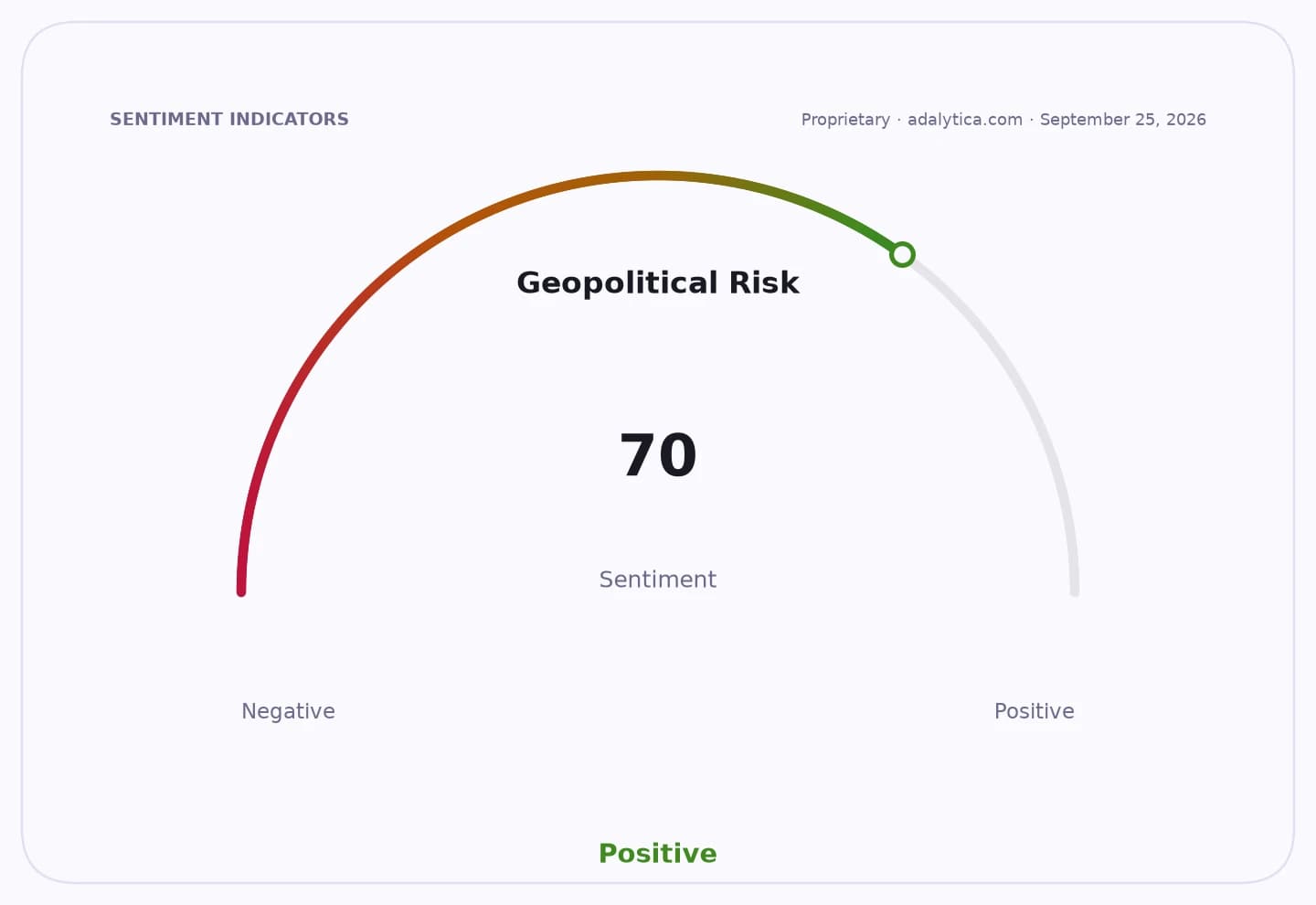
Sentiment IndicatorsⓘProprietary · adalytica.com · August 10, 2026
This is a snapshot — live sentiment, awareness and momentum for 130+ markets update continuously in the dashboard.Open AlphaPulse
The comeback pitch is straightforward. Balmuda has built its name on minimalist appliances and fashionable hardware, but its smartphone detour highlighted the limits of expanding too far beyond a core audience. A sleep clock, by contrast, fits the company’s identity: small-ticket relative to phones, giftable, and sold as an emotional purchase rather than a utility. For investors, that makes the launch less about unit volume than about whether Balmuda can turn design into pricing power again.
The strategy also reflects a broader market reality. Consumer-electronics makers are under pressure from rising component costs, intense price competition and slower replacement cycles, making differentiated products more valuable than ever. In that environment, a niche device with strong branding can be more attractive than a failed attempt to chase a mass market where scale advantages are decisive. If the clock resonates, Balmuda could rebuild momentum without the capital intensity and risk of another smartphone-style gamble.
Still, the bear case is obvious. Premium branding alone does not guarantee repeat demand, and a 60,000 yen sleep clock has to compete for wallet share with cheaper wellness gadgets and bigger-ticket electronics from established rivals. Investors will be watching whether Balmuda can translate the launch into meaningful revenue growth, not just headlines, and whether the product can broaden the customer base beyond existing fans.
For now, the clock underscores Balmuda’s likely path forward: smaller bets, higher margins and a tighter focus on products that play to its aesthetic strengths. If that works, the company may be able to rebuild itself one premium appliance at a time. If not, the sleep clock may become another reminder that design alone is not enough to sustain a comeback.
| Entity | Gains | Losses |
|---|---|---|
| Balmuda | ▲Brand revival potential | ▼Pressure to prove scale |
| Existing fans | ▲Premium design product | ▼High price tag |
| Competitors | ▲Benchmark for premium niche demand | ▼Share in lifestyle electronics |
| Investors | ▲Margin rebound possibility | ▼Another failed expansion bet |