Bangladesh and China are moving to deepen economic cooperation through a new agreement that could accelerate investment in infrastructure, logistics and industrial capacity, with Mongla port at the center of Dhaka’s development push.
Bangladesh, China deepen ties in Mongla port plan

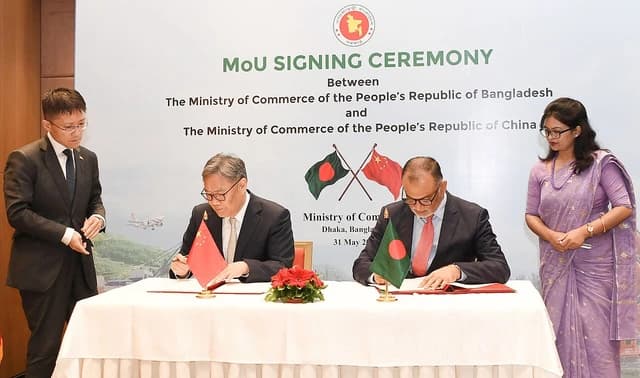
The accord, signed between Invest Bangladesh and China Railway Construction Corporation, is aimed at opening more Chinese participation in infrastructure, transport, logistics, industry, energy, the environment and skills development, according to local media. For Bangladesh, the timing matters: the country is trying to strengthen supply chains, ease import bottlenecks and support growth at a time when energy and food security have become more pressing policy priorities.
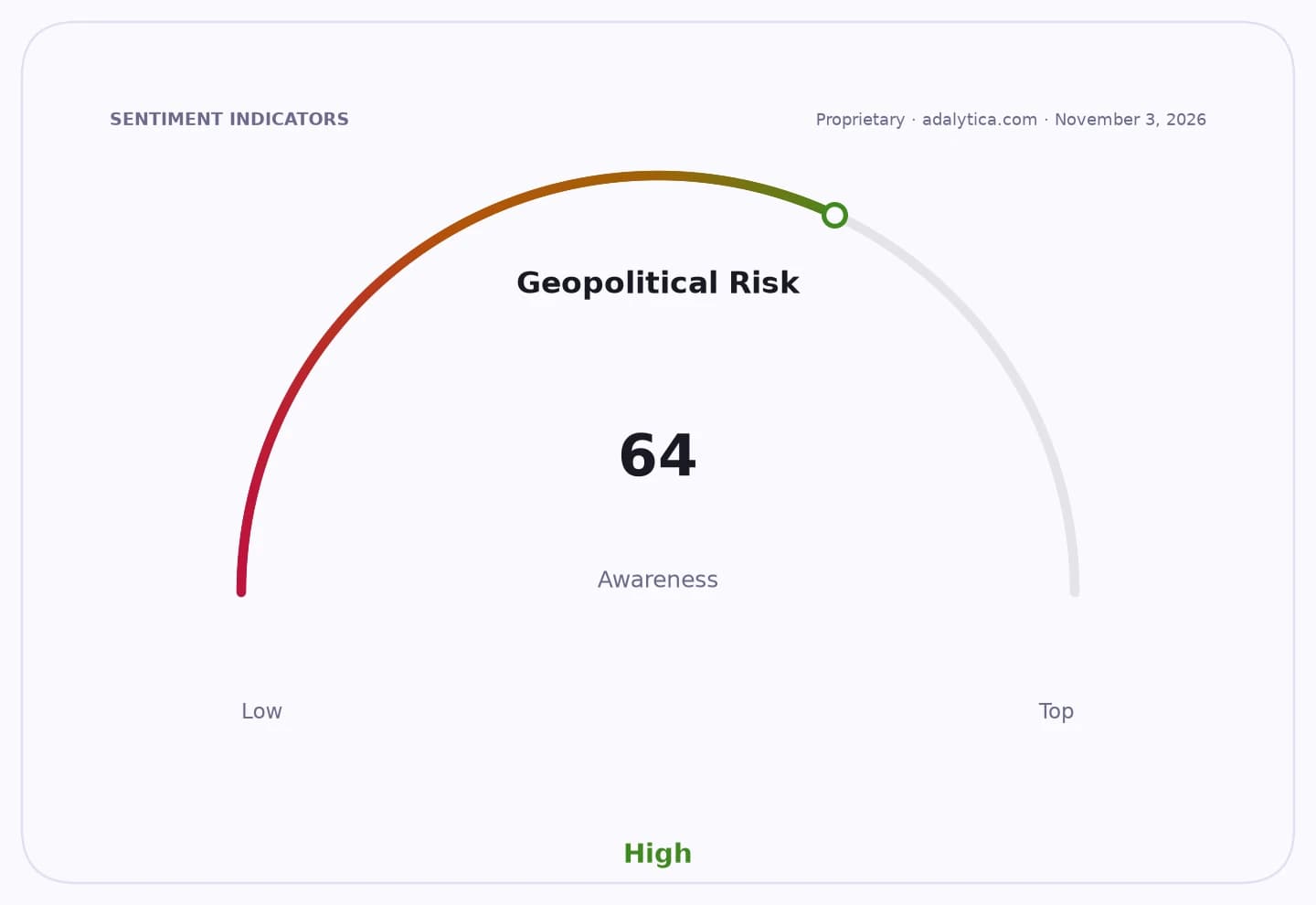
Sentiment Indicators
The immediate economic significance lies in Mongla, Bangladesh’s second-busiest seaport, where the government is seeking to expand and modernize facilities and attract new factories. Officials say the port could become a commercial hub for the southwest and northwest, a region that includes Khulna, Bagerhat, Satkhira and Jashore. Bangladesh also wants to widen road links, port supply chains and freight transport from Panchagarh to the Bay of Bengal, suggesting a broader attempt to knit together industrial zones, agricultural areas and export routes.
That matters because logistics remains one of the biggest constraints on emerging-market industrialization. Better port capacity and inland connectivity can lower transport costs, reduce turnaround times for imports of fuel, fertilizer, grains and industrial raw materials, and improve the competitiveness of exporters. The government is also counting on the development of the Khan Jahan Ali airport to reinforce regional trade flows and job creation.

For investors, the agreement is a fresh signal that Chinese contractors and financiers may find more room in Bangladesh’s infrastructure buildout despite a more complex geopolitical backdrop. Chinese companies have long been active in Belt and Road-linked projects across South Asia, and Bangladesh is looking for capital and execution capacity without overreliance on any single partner. If the Mongla expansion advances, it could create opportunities in construction, engineering, port services, logistics and industrial real estate.
The broader narrative is that Dhaka is trying to convert external partnerships into domestic growth at a moment when it wants to preserve economic resilience. Tarique Rahman said the port’s expansion would support industry, trade and economic security, while also helping youth employment and balanced regional development. That framing reflects a common emerging-market strategy: use foreign-backed infrastructure to unlock private investment and reduce regional inequality.
The main risk is execution. Large port and transport projects often face delays, cost overruns and financing uncertainty, and returns depend on whether industrial tenants, shippers and exporters actually shift volumes to the upgraded route. Even so, the deal underscores how Bangladesh is positioning China as a key partner in its push to expand capacity, deepen trade links and build a more integrated economy.
| Entity | Gains | Losses |
|---|---|---|
| Bangladesh government | ▲Infrastructure funding | ▼Fiscal pressure if delayed |
| China Railway Construction Corp. | ▲New project pipeline | ▼Execution and policy risk |
| Mongla port region | ▲Higher trade activity | ▼Status quo port bottlenecks |
| Competing logistics corridors | ▲Less immediate focus | ▼Relative investment attention |