Bangladesh’s promise to speed up business approvals and prioritize gas supply for industry matters because the country is trying to prevent an energy shortage from turning into a broader hit to output, imports and investor confidence.
Bangladesh prioritizes gas for industry amid 500 MMcf/d deficit
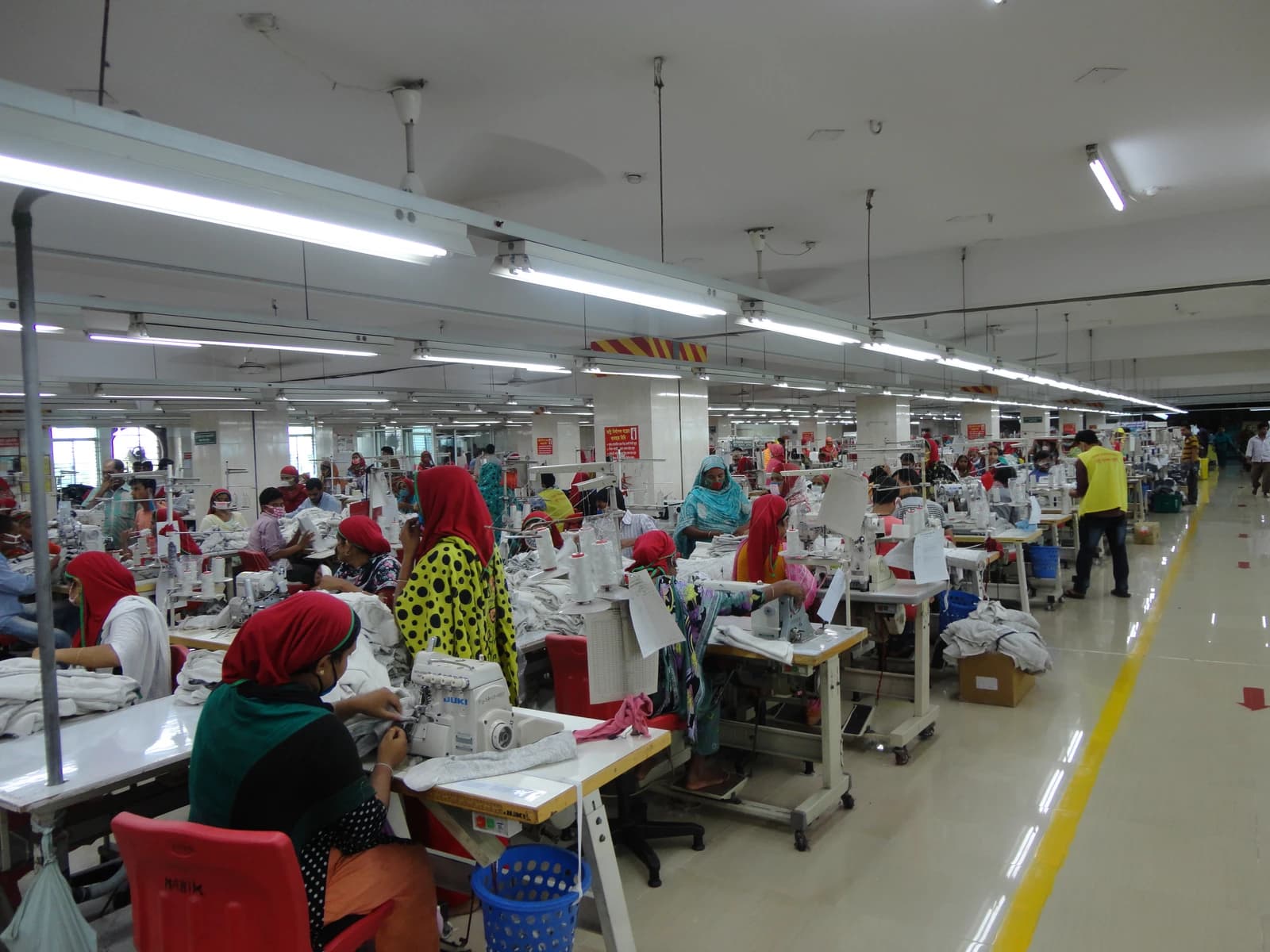
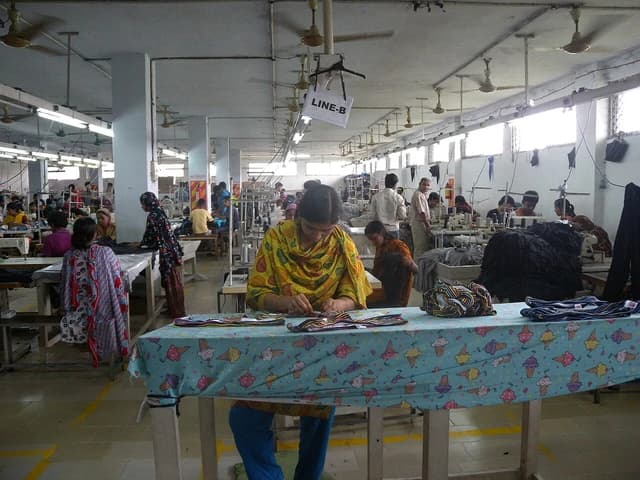
Prime Minister Sheikh Hasina said the government would focus gas allocations on industrial users and cut delays in approvals, a shift aimed at easing supply bottlenecks that have left factories exposed to repeated interruptions. For an economy that relies heavily on manufacturing and exports, especially ready-made garments and other labor-intensive industries, a reliable gas flow is not just a utility issue but a key input to growth, employment and foreign-exchange earnings.
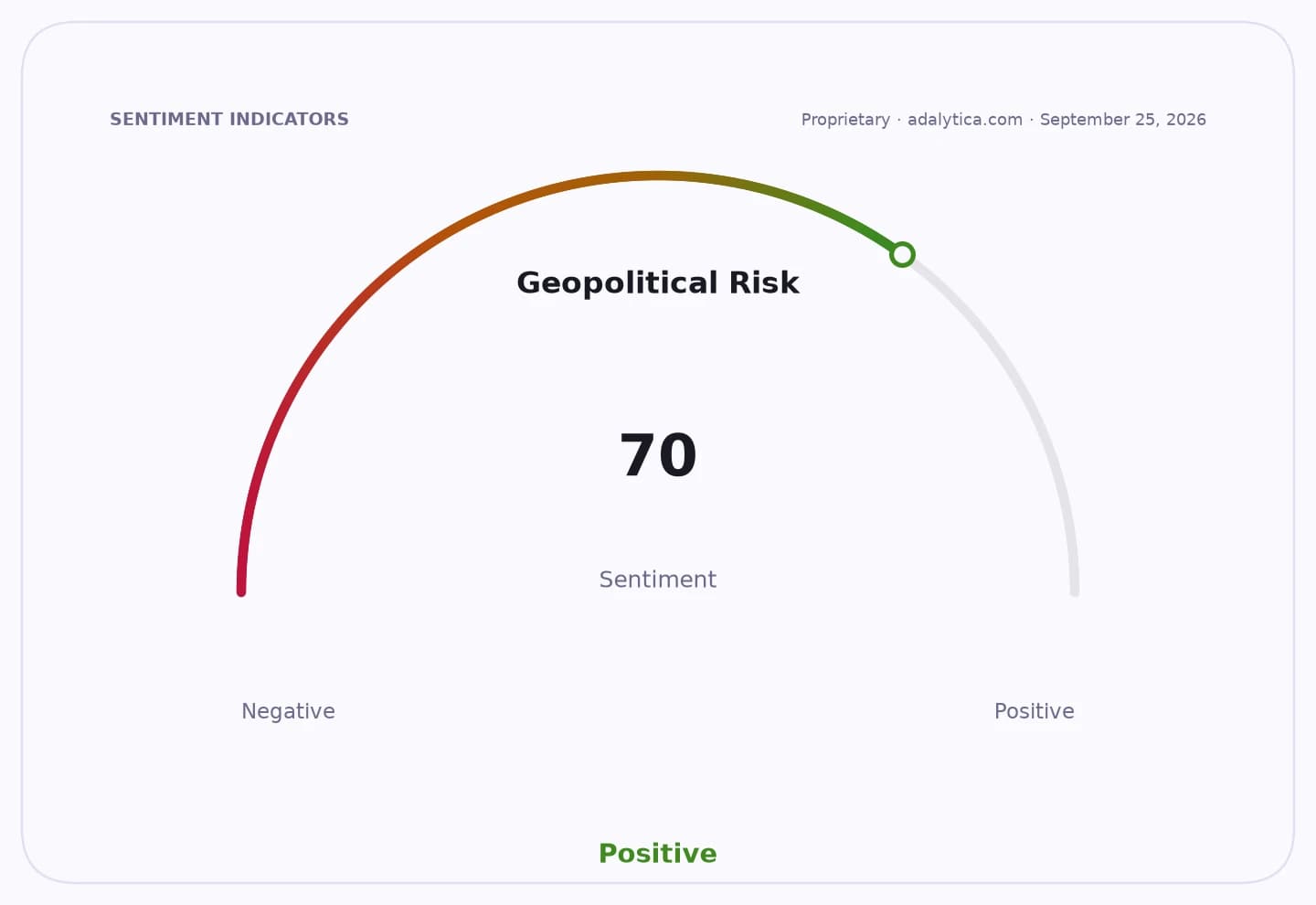
Sentiment IndicatorsⓘProprietary · adalytica.com · August 1, 2026
This is a snapshot — live sentiment, awareness and momentum for 130+ markets update continuously in the dashboard.Open AlphaPulse
The policy response comes as Bangladesh faces a daily gas deficit of roughly 500 million cubic feet after problems at a floating LNG terminal disrupted supply. That shortage has forced the government to seek help from Malaysia to restore flows, underscoring how dependent the country remains on imported LNG and how quickly infrastructure failures can ripple through the broader economy.
The immediate market implication is that industrial users may get some relief if the government can re-route limited supply toward factories that generate export revenue and tax receipts. The longer-term question is whether faster approvals and a more business-friendly stance can attract enough private investment to expand energy infrastructure, regasification capacity and downstream industry before chronic shortages erode competitiveness.
For investors, the issue goes beyond Bangladesh’s utility sector. A more predictable gas policy could support local manufacturers, lift demand for imported fuel and improve the operating outlook for energy-related contractors and suppliers, while prolonged shortages would pressure industrial margins and strengthen the case for slower growth and wider external deficits. The government’s outreach to Malaysia also highlights the geopolitical dimension: Bangladesh is forced to lean on regional partners to keep its energy system functioning.
What happens next will depend on how quickly damaged LNG capacity can be restored and whether the government can turn its pledge into workable allocation policy. If supply stabilizes, industry should see less disruption into the next production cycle; if not, businesses will likely keep contending with higher costs, curtailed output and delayed expansion plans.
| Entity | Gains | Losses |
|---|---|---|
| Bangladeshi factories | ▲steadier gas supply | ▼production stoppages |
| Exporters | ▲lower output risk | ▼margin pressure |
| Government | ▲pro-business credibility | ▼blame for shortages |
| LNG suppliers/partners | ▲higher urgency for deals | ▼weaker leverage if crisis persists |