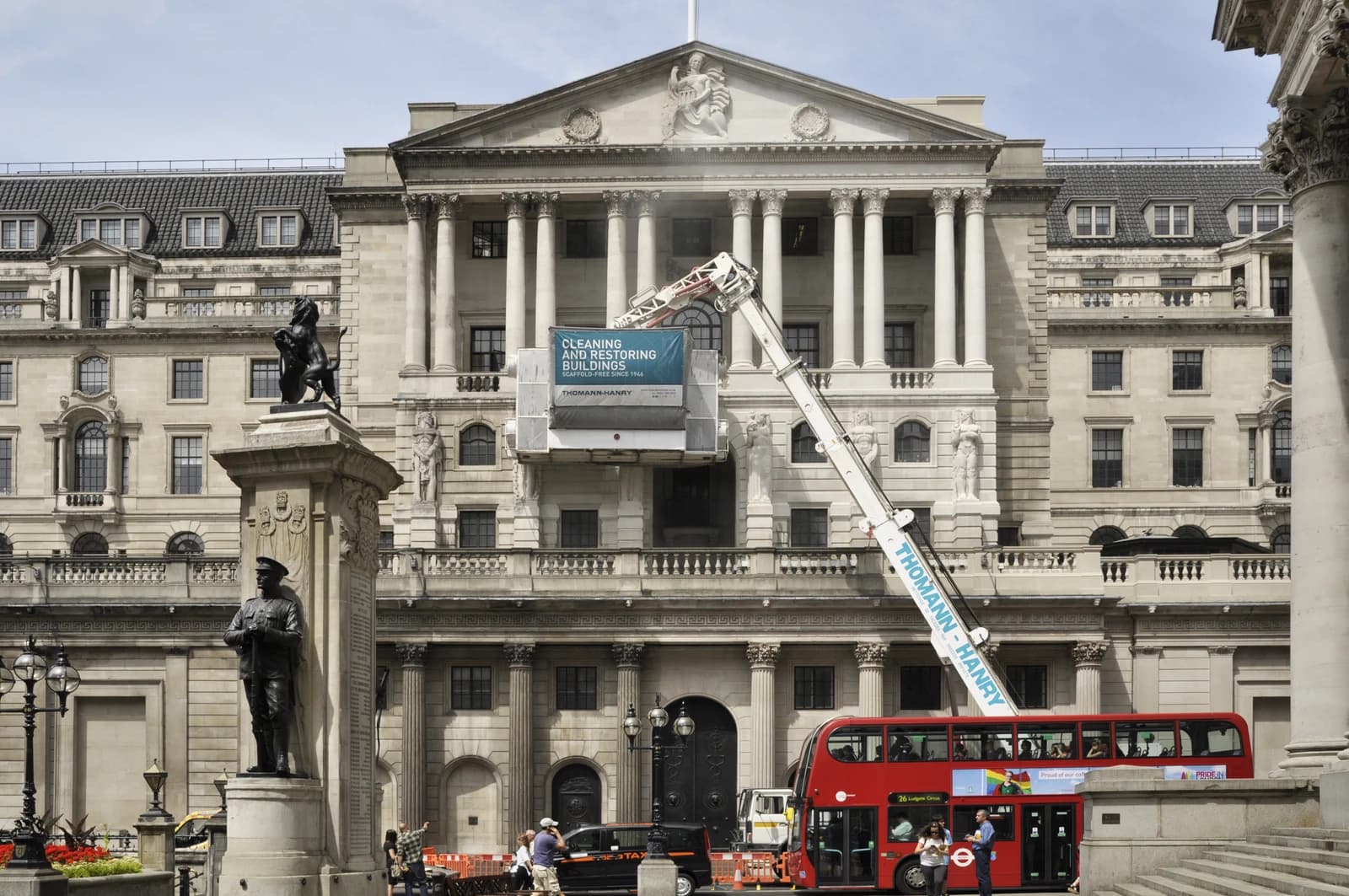
The Bank of England’s move to 4% has left investors and economists focused less on whether UK rates rise again than on when the next increase comes, with Goldman Sachs, Deutsche Bank and MUFG all favouring February over a December follow-up.
Bank of England rate hike debate shifts to February
That matters because the debate now centres on how persistent Britain’s inflation pressure proves to be, and whether the Monetary Policy Committee will need to keep tightening into 2027 or can stop after one more quarter-point move. A February hike would take Bank Rate to 4.25%, a level some economists say is only modestly restrictive, while Pantheon Macroeconomics sees scope for a further increase to 4.50% by April.
Sentiment Indicators
The hawkish tone of Thursday’s decision has strengthened that case, even as it failed to trigger an immediate shift in sterling. The pound traded at €1.1986 against the euro on Friday, little changed on the day, suggesting markets had already priced in a more forceful Bank of England than the one they saw a few weeks ago.
The November vote itself was more decisive than some had expected. Eight members backed a quarter-point rise, while Catherine Mann wanted a half-point move, a result Goldman said was stronger than anticipated after it had expected two dissenters against any increase. Goldman economists James Moberly and Sven Jari Stehn said Governor Andrew Bailey’s comments implied a second hike was likely unless the Middle East conflict eases energy pressure, but they still see February as more likely than December because of the lag before energy costs feed through to broader inflation and wages.
That sequencing matters for markets. A December move would not necessarily imply a higher peak, but it would bring forward the tightening cycle and keep pressure on government bonds, mortgages and corporate borrowing costs heading into year-end. Deutsche Bank now says December is “finely balanced” and expects a narrow 5-4 vote to hold rates steady, though it still leans toward February and sees Bank Rate peaking at 4.25%.
The Bank’s published outlook was based on energy prices averaged through Oct. 27, leaving room for a different path if oil prices retreat further. MUFG said lower crude prices, potentially helped by geopolitical developments in the Middle East, could give the BoE cover to wait until February rather than move in December. But if energy stays elevated, the risk of a back-to-back hike rises materially.
For investors, the key takeaway is that the BoE is not yet done, even if the end point remains contested. That supports UK yields relative to other major markets and has helped sterling hold up better than some peers, according to MUFG. But that support is vulnerable if global risk appetite weakens or if a deeper sell-off in AI stocks tightens financial conditions enough to curb growth and reduce the need for further UK tightening.
The next decision on Dec. 17 will test how urgent the BoE thinks the inflation problem is. If policymakers pause, February becomes the central case for another move; if they go in December, markets may conclude the Bank is closer to the end of its cycle, not at the start of a longer run higher. The inflation and growth data between now and then will determine whether 4.25% is enough or just the next stop.
| Entity | Gains | Losses |
|---|---|---|
| Pound sterling | ▲Higher rate support | ▼Rate-hike delay risk |
| UK banks | ▲Wider lending margins | ▼Slower credit demand |
| UK borrowers | ▲— | ▼Higher debt-service costs |
| UK gilt holders | ▲— | ▼Bond-price pressure |