Bank Indonesia’s inauguration of GPIPS Balinusra 2026 underscores a broader policy shift: inflation management is moving beyond interest rates and into the hard economics of food supply, distribution and logistics.
Bank Indonesia Targets Food Inflation

That matters because food prices remain the most politically sensitive and economically persistent source of inflation in Indonesia and across emerging markets. The central bank is signaling that the next leg of disinflation depends less on financial conditions than on whether rice, horticulture, livestock and other staples can move more efficiently from farm to market. In a country where transport bottlenecks, regional fragmentation and weather shocks can quickly feed into household costs, the ability to steady food distribution can be as important as tightening or easing policy.
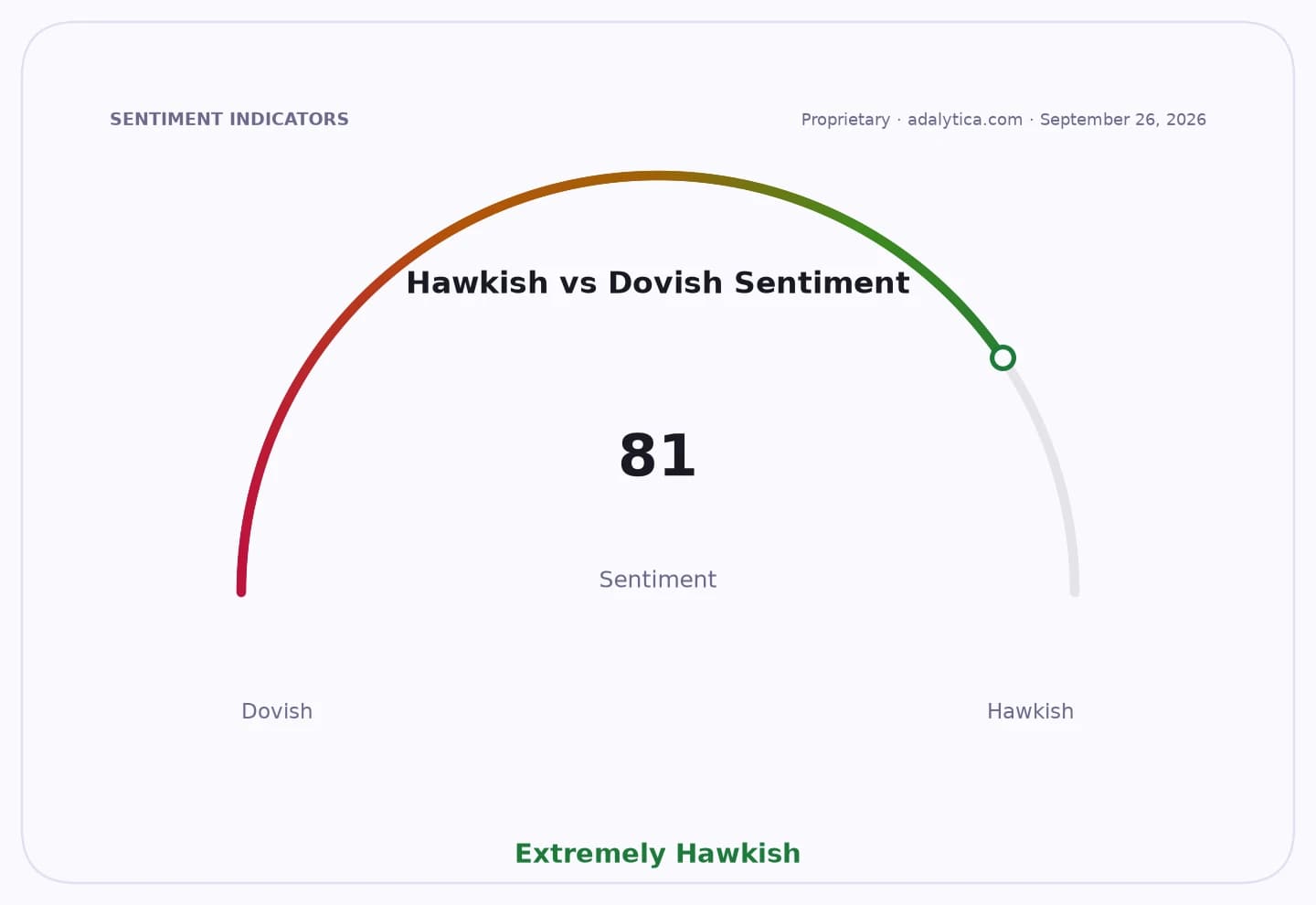
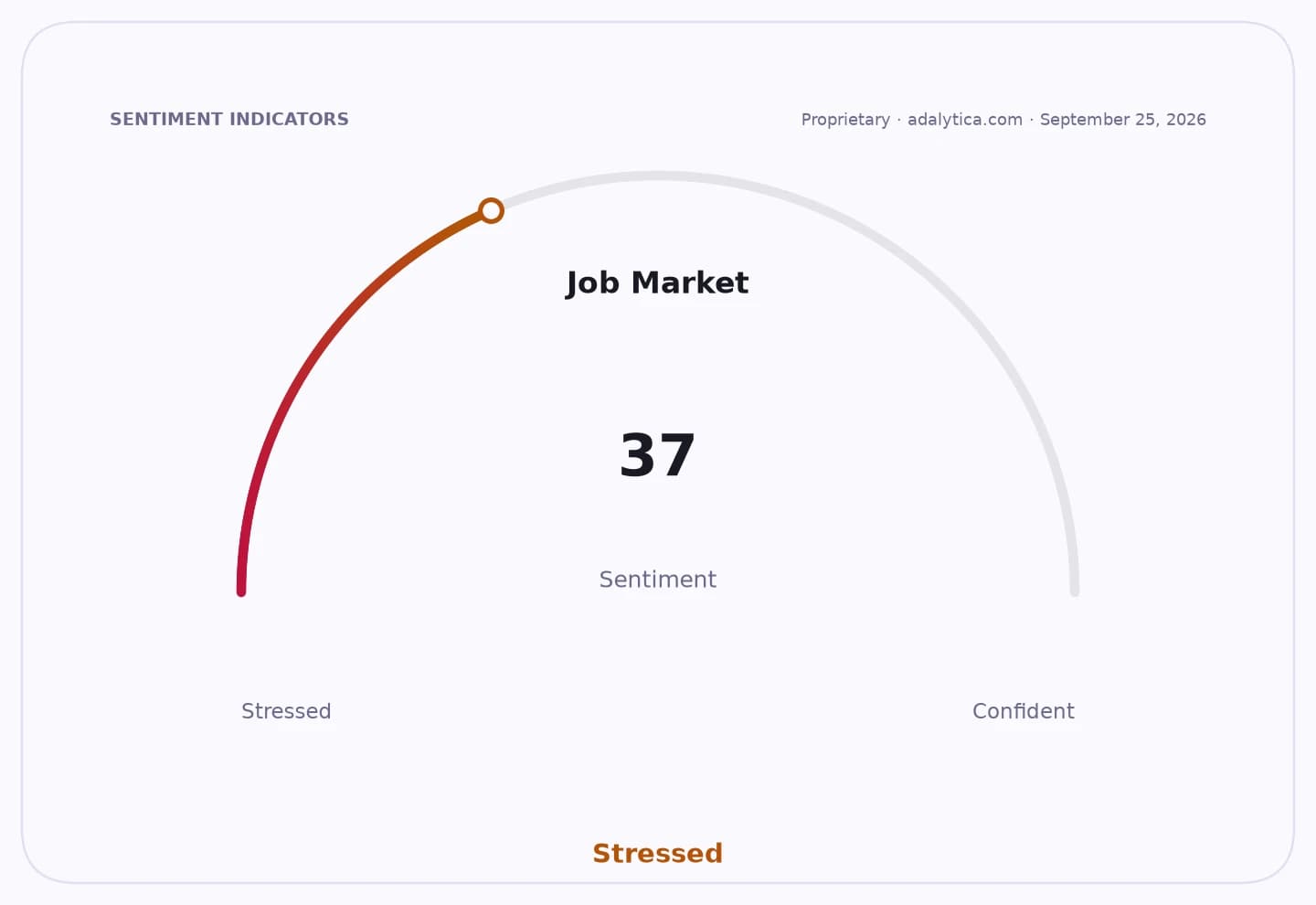
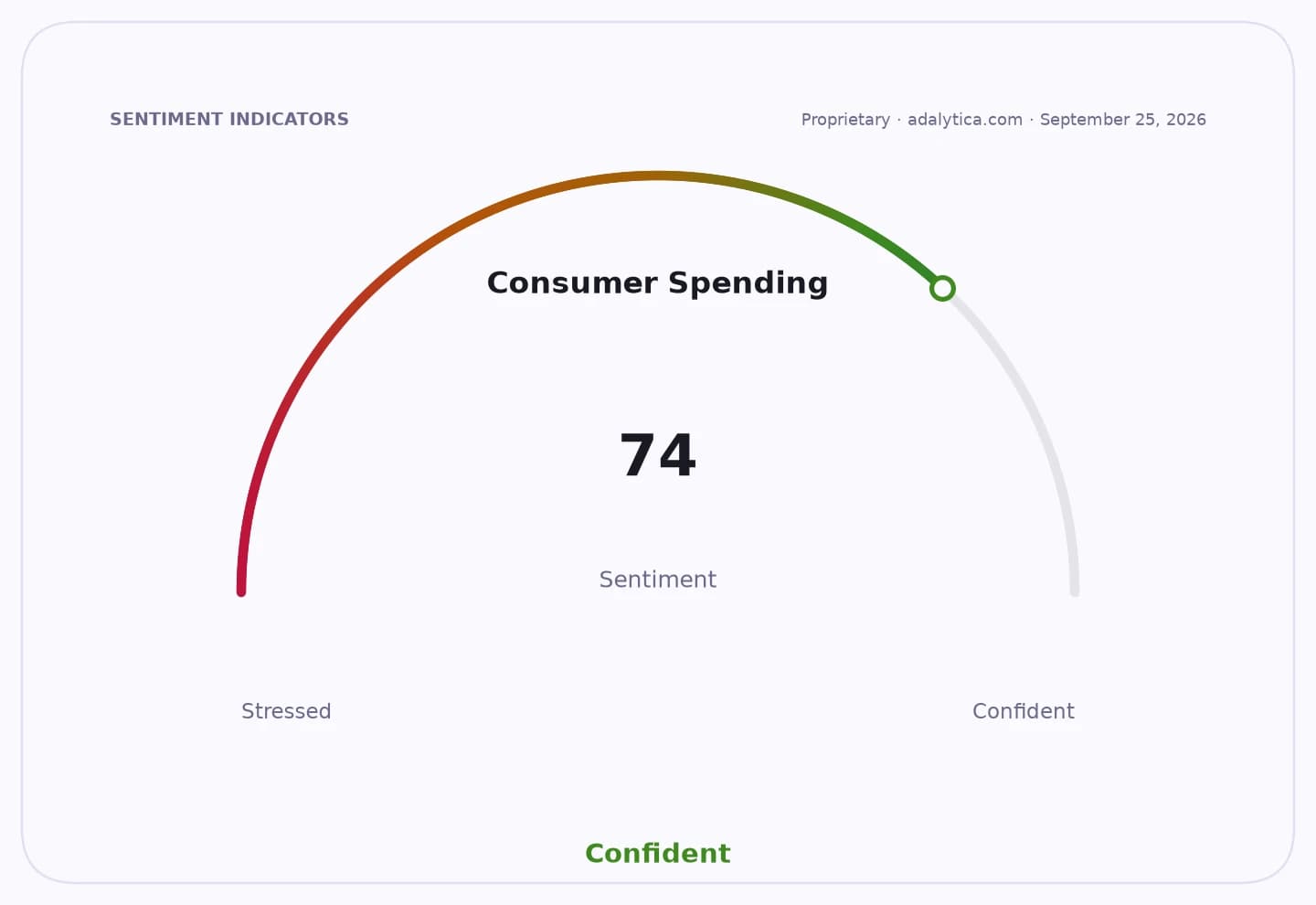
Sentiment IndicatorsⓘProprietary · adalytica.com · July 27, 2026
This is a snapshot — live sentiment, awareness and momentum for 130+ markets update continuously in the dashboard.Open AlphaPulse
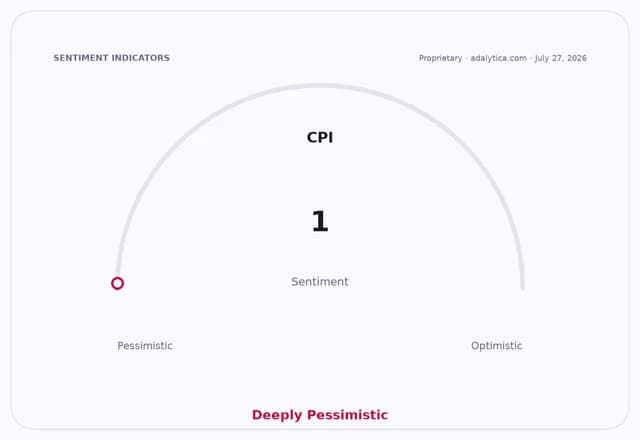
The timing is notable. Recent U.S. inflation readings show consumer prices and producer prices still elevated in nominal terms, while global food markets remain under pressure from energy, fertilizer and climate disruptions. Those forces do not stop at Indonesia’s borders. Higher imported input costs, volatile commodity pricing and elevated freight expenses can all leak into domestic prices, particularly for food, which carries heavy weight in low- and middle-income household budgets.
For Bank Indonesia, the appeal of a food-supply initiative is twofold. First, it is a way to attack supply-side inflation without choking demand. Second, it gives policymakers a more visible lever at a time when rate policy can only do so much against supply shocks. If the program improves storage, transport and inter-island distribution, it could narrow the gap between farmgate and retail prices and reduce the odds of abrupt food-price spikes that unsettle expectations.

Investors should read that as a stabilizing signal for Indonesian macro assets. Better food logistics can help keep headline inflation contained, support real incomes and reduce pressure on the rupiah by lowering the risk of imported inflation feeding into broader price increases. That is especially relevant when global bond yields remain elevated and rate-sensitive currencies are still vulnerable to swings in risk appetite. The rupiah has already shown enough sensitivity to shifting dollar and yield dynamics to make any credible anti-inflation initiative worth watching.
The corporate implication is clearer for consumer and staple-linked businesses. Retailers, food processors and distributors benefit when supply chains become more predictable and shrinkage falls. But there is a bear case: if the effort remains a coordination exercise rather than a structural fix, it may do little to change recurring price volatility driven by climate, fertilizer costs or domestic logistics constraints. In that case, food inflation could remain sticky even if headline policy rhetoric sounds more aggressive.
The larger narrative is that Indonesia is treating inflation as a distribution problem as much as a monetary one. That approach reflects a global lesson now visible from food markets to consumer staples: when supply shocks are persistent, the winners are the firms and countries that can move essential goods more efficiently, and the losers are households and companies forced to absorb repeated cost increases.
Going forward, investors will be watching whether GPIPS Balinusra 2026 produces measurable gains in food availability, lower retail spreads and more stable headline CPI. If it does, Bank Indonesia may have found a practical complement to monetary policy. If it does not, food inflation is likely to stay a recurring source of pressure for policymakers, consumers and markets alike.
| Entity | Gains | Losses |
|---|---|---|
| Bank Indonesia | ▲More inflation control tools | ▼More pressure if prices stay sticky |
| Indonesian consumers | ▲Lower food-price volatility | ▼Higher living costs |
| Food retailers/distributors | ▲Better supply efficiency | ▼Margin pressure from disruption |
| Import-dependent economies | ▲Signals on inflation management | ▼Exposed to higher global food costs |