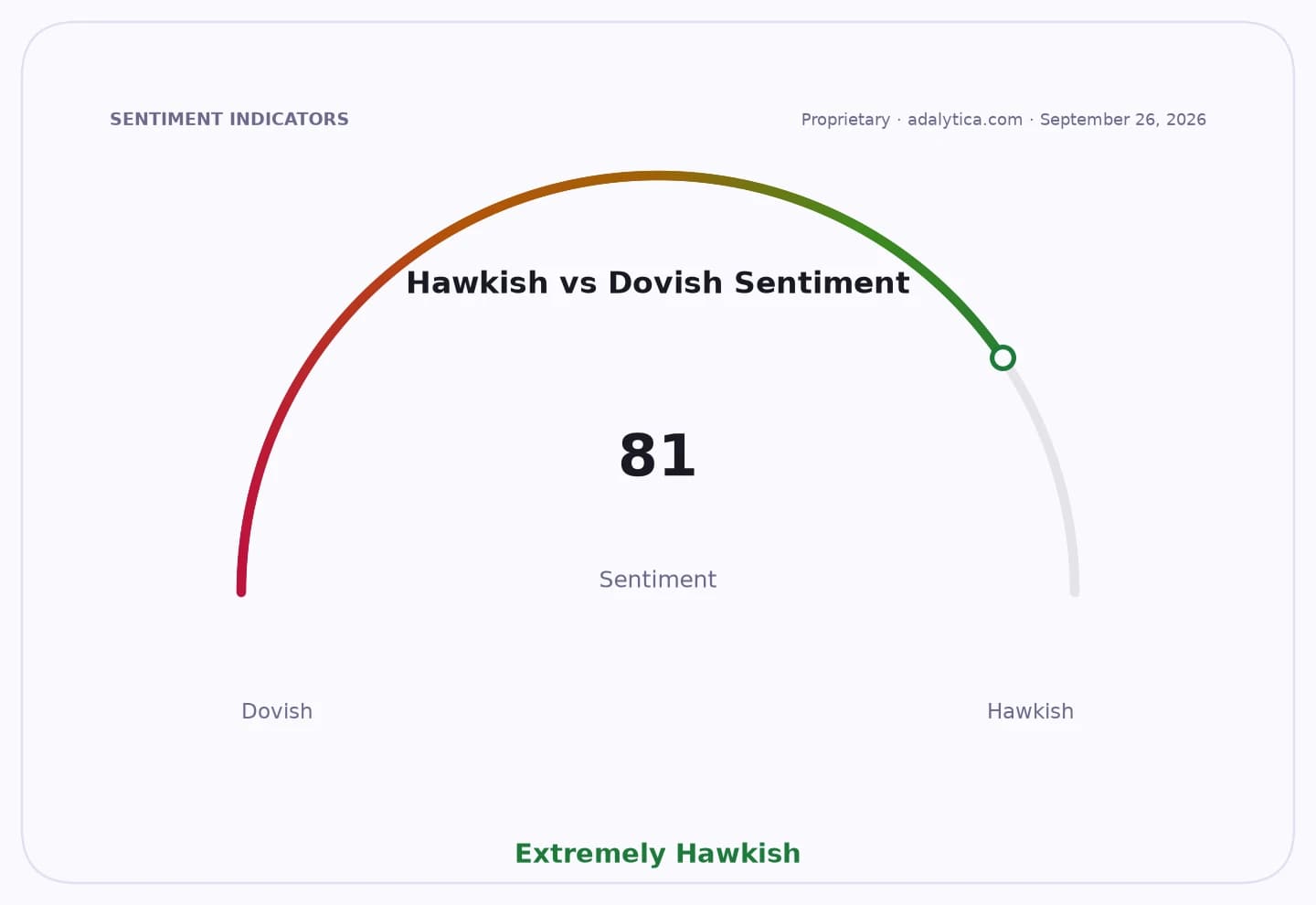
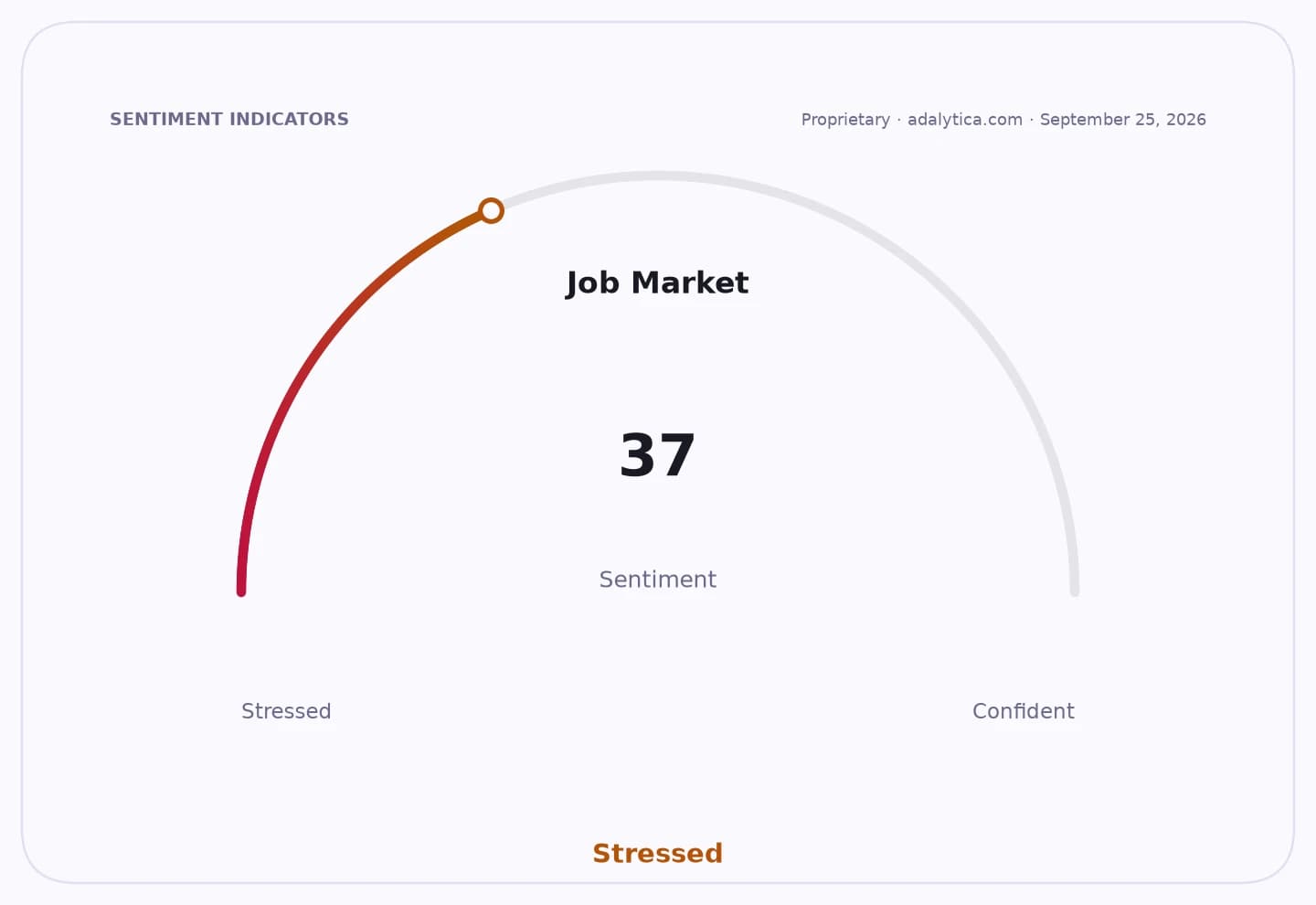
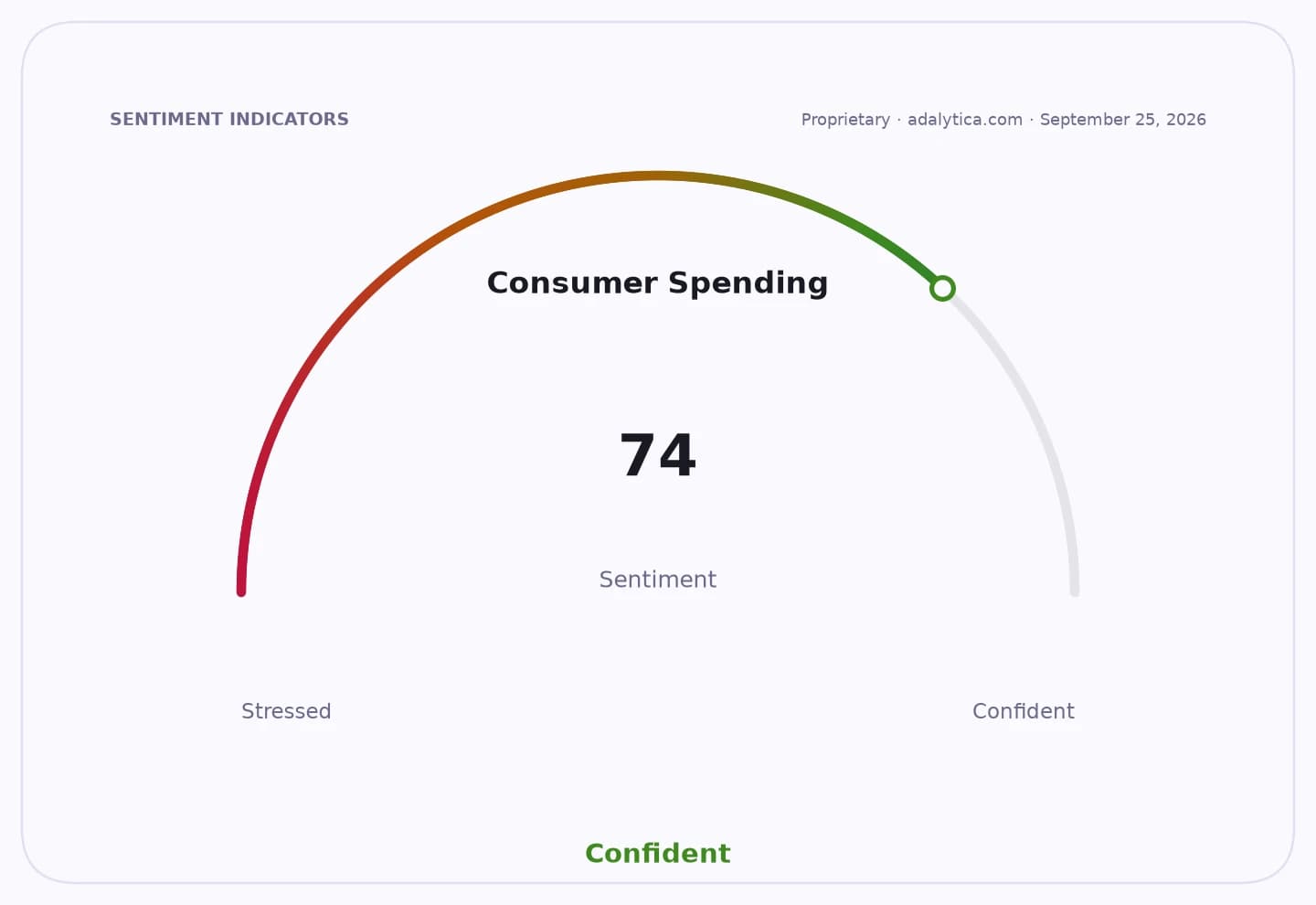
The Bank of England kept borrowing costs unchanged while warning that inflation could stay elevated, underscoring the uneasy balance facing policymakers as price pressures ease only gradually and growth remains fragile.
Bank of England Holds Rates, Flags Elevated Inflation
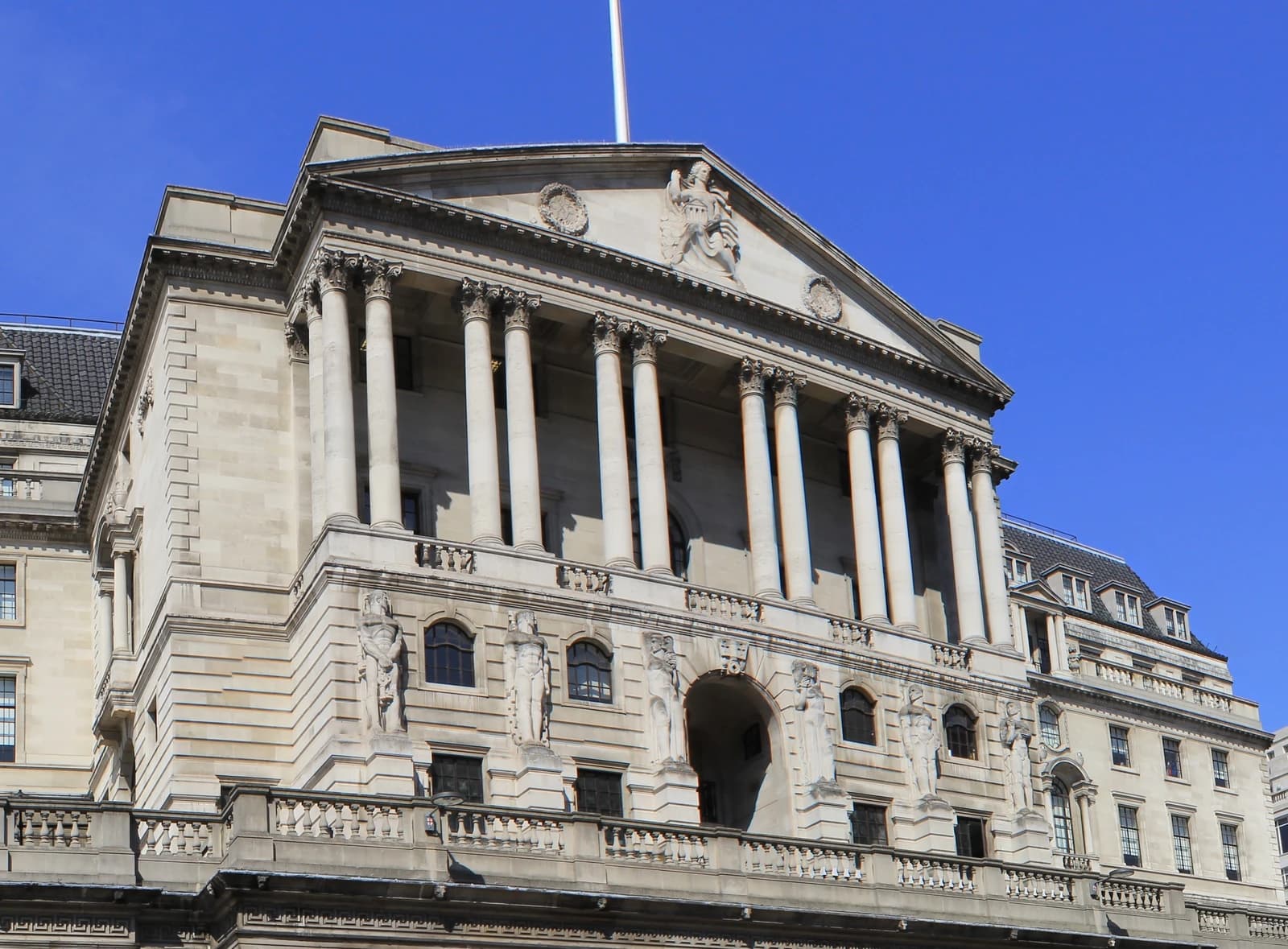
The decision matters because the central bank is trying to avoid cutting too soon and reigniting inflation after a long tightening cycle that has already pushed the policy rate to restrictive levels. With UK consumer inflation having slowed to 2.6% in June, the weakest in 14 months, the case for relief is building. But officials are clearly not ready to declare victory: the latest warning suggests the BoE still sees enough risk in wages, services prices and broader price persistence to prevent an immediate shift to easier policy.
Sentiment IndicatorsⓘProprietary · adalytica.com · July 31, 2026
This is a snapshot — live sentiment, awareness and momentum for 130+ markets update continuously in the dashboard.Open AlphaPulse
That caution has direct economic consequences. Holding rates steady keeps pressure on mortgage borrowers and businesses reliant on credit, but it also signals that policymakers want firmer evidence inflation is on a durable path back to target before loosening. For households, the pause may limit near-term borrowing relief even as petrol-led disinflation improves real incomes. For the broader economy, it means monetary policy is still leaning against demand at a time when the UK recovery remains uneven.
Markets have already started to position for eventual easing. The iShares MSCI United Kingdom ETF, EWU, climbed to $48.49 on Friday, just under its recent intraday high, while the leveraged Treasury bear fund TBT rose to $38.74, reflecting firmer rates expectations across developed markets. EWU’s price is above both its 50-day and 200-day moving averages, and its RSI reading of 72 suggests the move has run hot in the short term. In bond markets, the 10-year US Treasury yield was around 4.65% to 4.67% in the latest prints, showing global yields remain elevated even as investors increasingly handicap later-year rate cuts.
The BoE’s message also complicates the outlook for sterling assets. A slower pace of easing would support the pound and help keep UK gilt yields relatively firm, but it risks extending the squeeze on rate-sensitive sectors such as housing, retail and construction. A faster-than-expected disinflation path, by contrast, would improve the odds of a cut and could lift domestic equities that have lagged on financing costs.
For investors, the key question is whether June’s lower CPI reading marks the start of a cleaner disinflation trend or just a temporary dip driven by fuel prices. The answer will likely determine whether the BoE can move in September or needs to wait longer. Until then, the central bank appears intent on keeping optionality intact — and keeping markets guessing.
| Entity | Gains | Losses |
|---|---|---|
| Bank of England | ▲Preserves anti-inflation credibility | ▼Faces pressure to justify delay |
| Savers and gilts | ▲Higher-for-longer yields | ▼Slower policy relief |
| Mortgage borrowers | ▲None in the near term | ▼Continued high funding costs |
| UK equities | ▲Some support from lower inflation | ▼Rate-sensitive sectors stay squeezed |