Bank profits are under pressure as lenders set aside more money for bad loans, a sign that credit stress is moving closer to the core of the financial system even as lending activity remains resilient.
Rising loan provisions cloud bank earnings outlook
That shift matters because provisions directly hit earnings and can quickly change how investors value banks’ ability to sustain buybacks, dividends and loan growth. With the 10-year Treasury yield at 4.637% and high-yield credit spreads around 2.688 percentage points, markets are still pricing a cautious but not distressed backdrop — one that can deteriorate fast if credit quality worsens further.
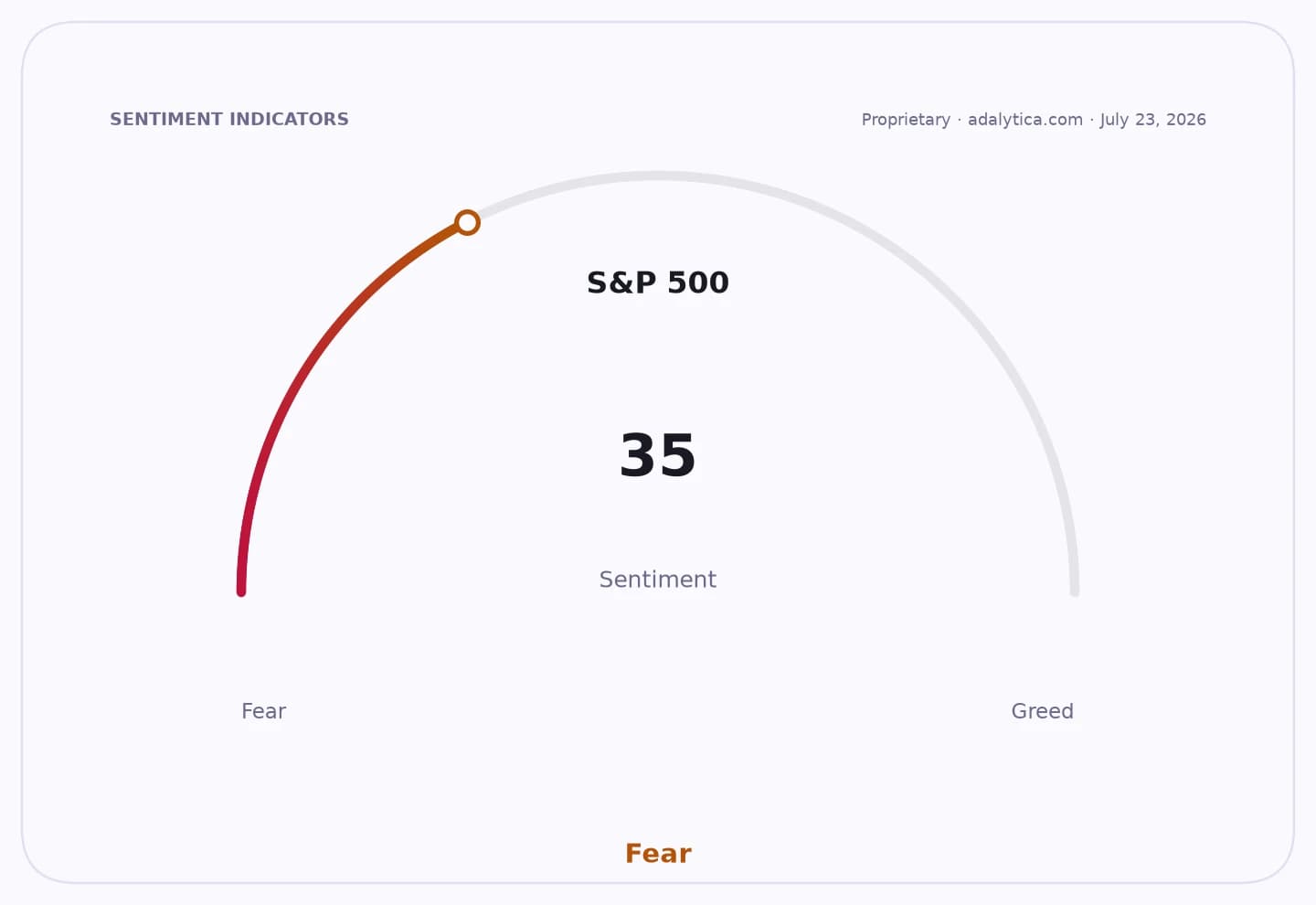
Sentiment IndicatorsⓘProprietary · adalytica.com · July 23, 2026
This is a snapshot — live sentiment, awareness and momentum for 130+ markets update continuously in the dashboard.Open AlphaPulse
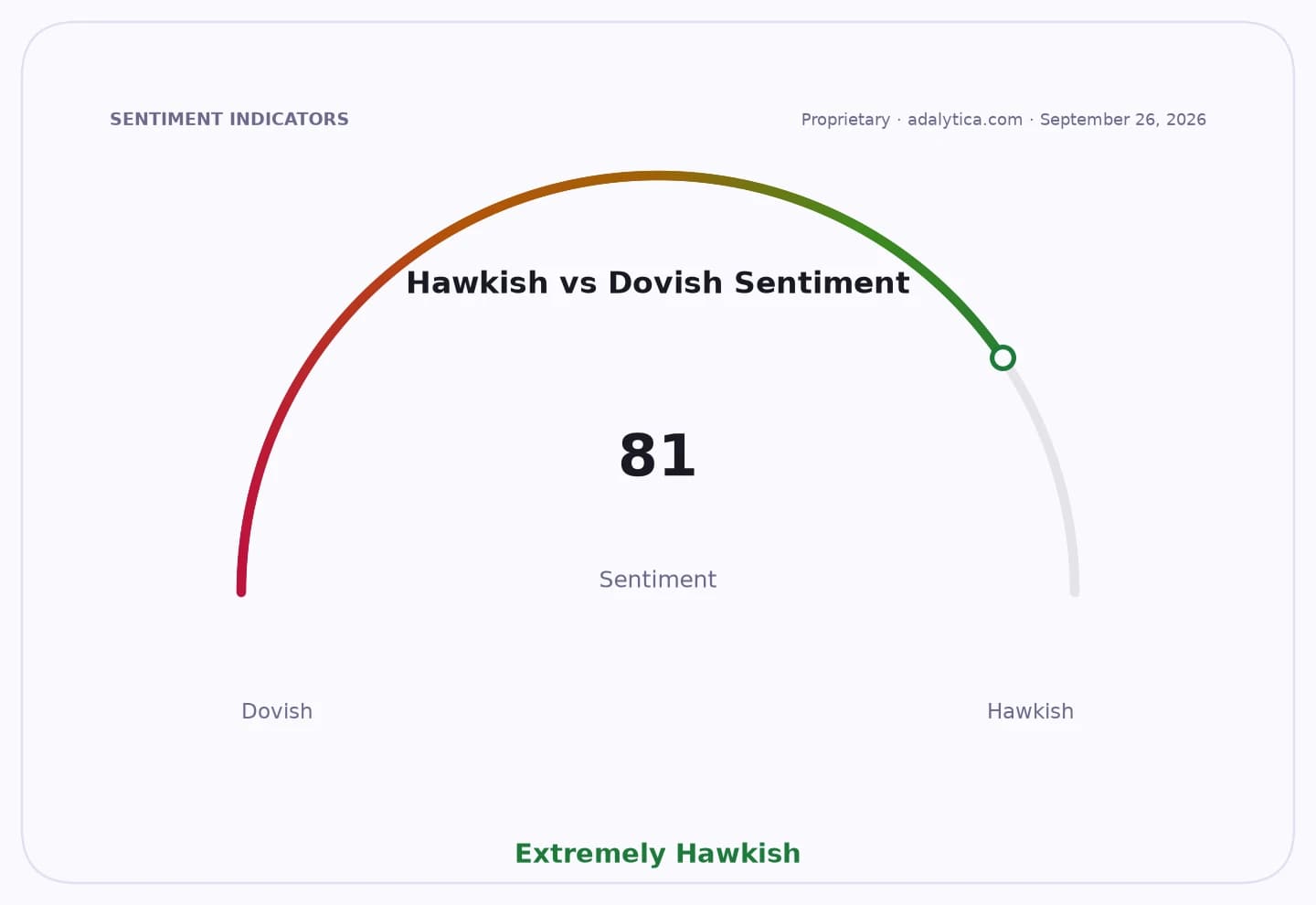
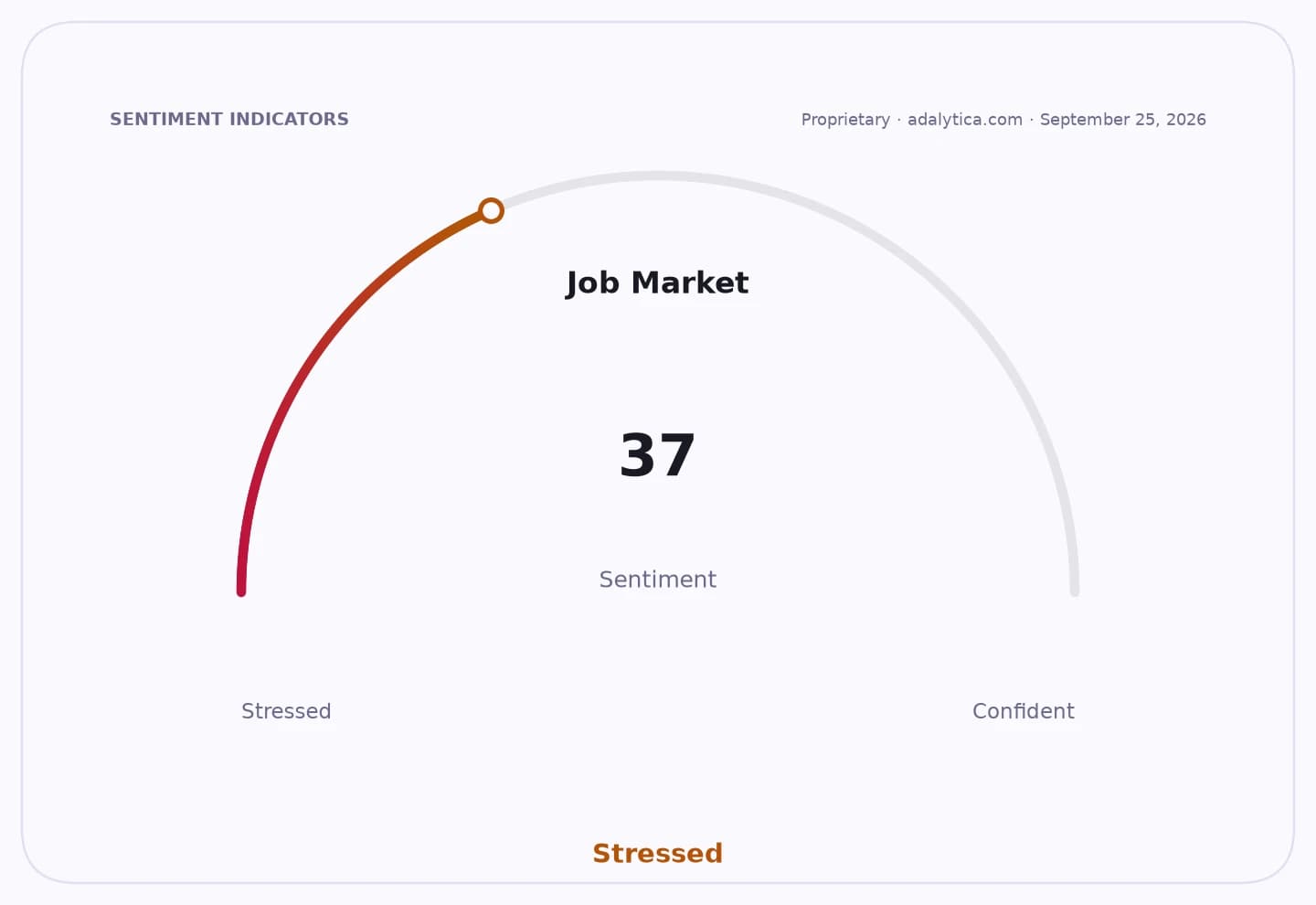
The immediate evidence is showing up in the biggest U.S. banks. JPMorgan Chase, Bank of America and Citigroup all have shares trading near or above recent highs, but the underlying message from the sector is less comfortable: stronger core income is being offset by higher provisioning as lenders brace for delinquency pressure and a softer macro outlook. Forecasts for the U.S. unemployment rate point to 4.18% next month, still low by historical standards, but enough to keep pressure on consumer and corporate credit metrics if growth slows.
Investors care because bank earnings are highly sensitive to the cost of risk. When provisions rise, net income falls even if revenue holds up, and that can undermine the case for higher capital returns. For large diversified lenders, the risk is not a funding squeeze; it is that a gradual rise in bad debt forces a more conservative stance just as credit demand is improving.
The recent price action shows investors are not fleeing the sector, but they are demanding proof that credit remains contained. JPMorgan has climbed to $348.21, above its 50-day and 200-day moving averages, while Bank of America has risen to $61.62 and Citigroup to $132.25. Technical indicators for all three suggest momentum is still firm, but the market is also watching whether earnings can keep pace with the rising cost of provisions.
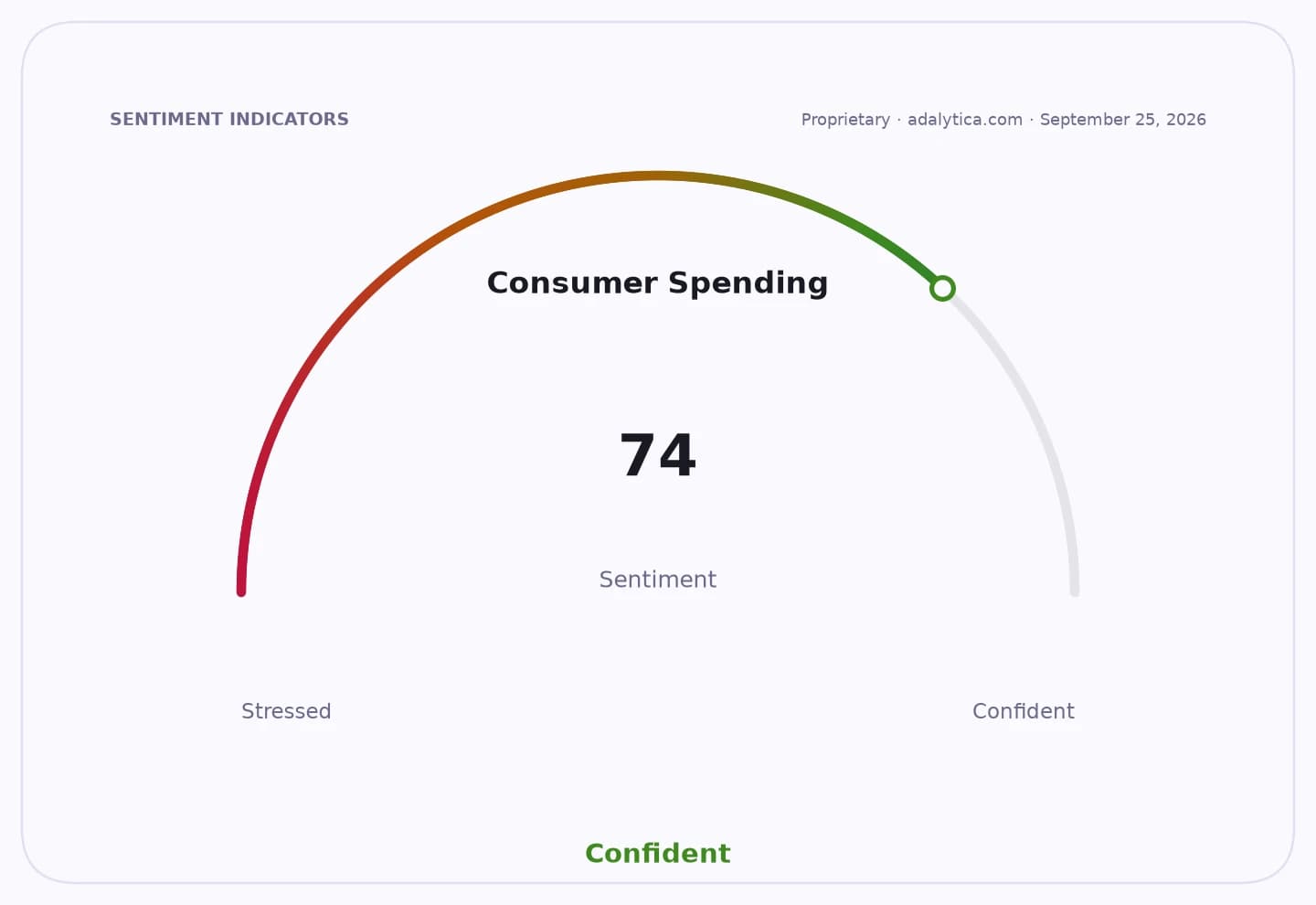
Broader conditions remain mixed. Credit growth is accelerating, which supports fee income and loan balances, but the increase in provisions suggests banks see enough weakness ahead to build cushions now rather than later. That is the key tension for the sector: stronger lending volumes and still-solid share prices on one side, and a slow build in credit risk on the other.
The next catalyst is second-quarter bank earnings and management guidance on reserve build, charge-offs and loan demand. If provisions keep rising faster than revenue, investors may start to question whether the sector’s recent strength can last.
| Entity | Gains | Losses |
|---|---|---|
| Banks with strong trading and lending income | ▲Revenue growth and loan volumes | ▼Rising provisions and lower earnings |
| Credit investors / borrowers | ▲Continued access to funding | ▼Tighter underwriting and higher spreads |
| JPMorgan, Bank of America, Citigroup shareholders | ▲Near-term share-price momentum | ▼Risk of reserve-driven profit pressure |
| Weak borrowers / riskier sectors | ▲Short-term funding still available | ▼Higher scrutiny and potential charge-offs |