National Assembly delegates are raising fresh concerns over conflicts of interest as banks take on a bigger role in managing bond collateral, a move that matters because it goes straight to market integrity, funding costs and investor confidence in the debt market.
Banks face scrutiny over bond collateral management
The debate comes as banks have been leaning harder on bond business to attract deposits and fee income, with the latest banking filings showing how central collateralized lending and pledged assets are to balance sheets. JPMorgan said in its most recent 10-Q that it had $357 billion of assets it could borrow against at June 30, while Bank of America put the figure at $357 billion at the same date, underscoring how much liquidity in the system now depends on assets that can be pledged and repledged.
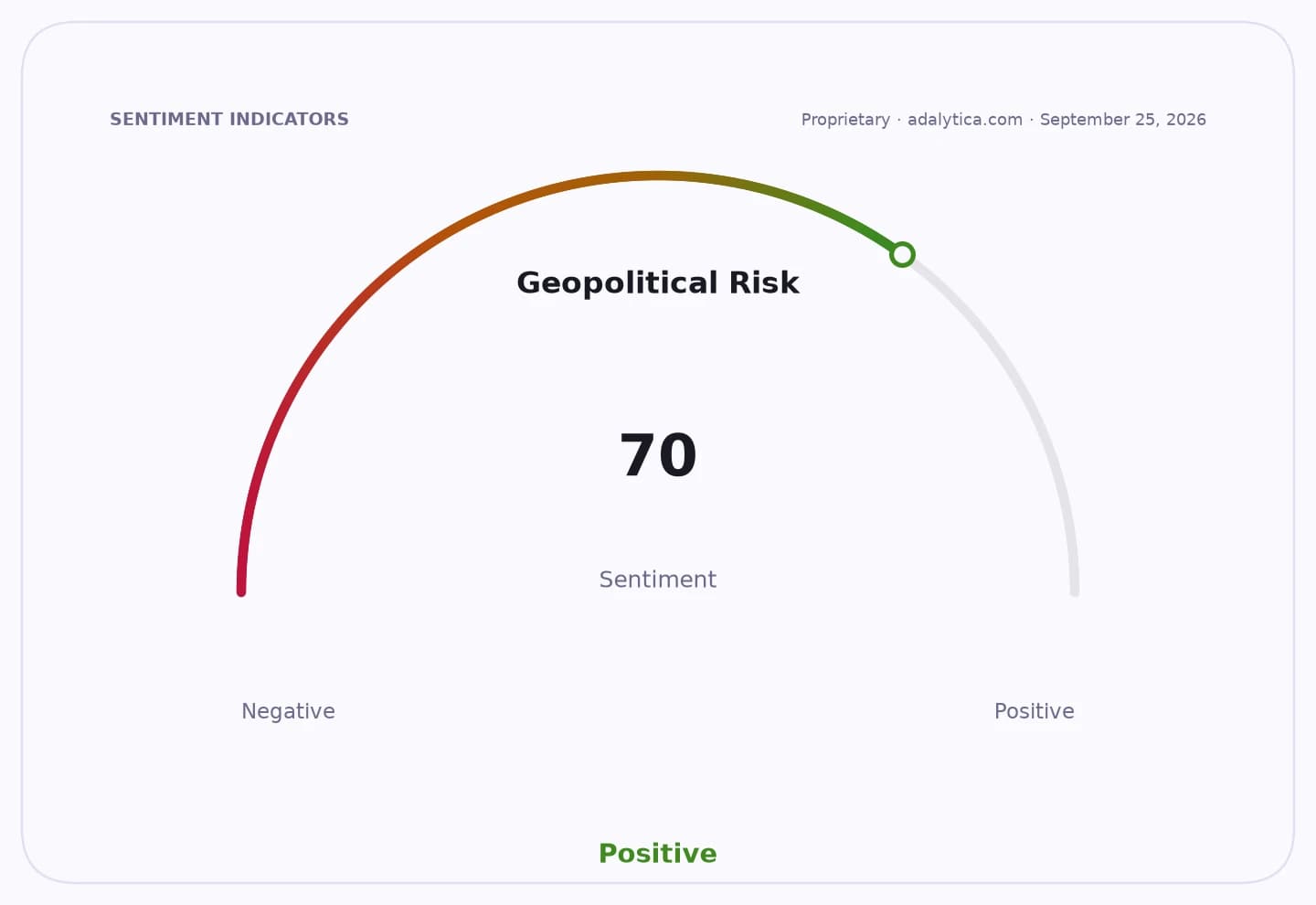
Sentiment IndicatorsⓘProprietary · adalytica.com · August 9, 2026
This is a snapshot — live sentiment, awareness and momentum for 130+ markets update continuously in the dashboard.Open AlphaPulse
That makes the question of who controls bond collateral more than a procedural issue. If banks are allowed to manage collateral while also selling, financing or intermediating the same securities, lawmakers worry the setup can blur lines between custodian, dealer and beneficiary, potentially distorting pricing or weakening safeguards for smaller investors.
The concern lands at a sensitive moment for credit markets. Higher yields and renewed demand for medium- and long-term funding have already pushed banks to compete more aggressively on bond rates, while a recent daily settlement mandate for 24 banks in the prize bond market aims to improve transparency and discipline. Tighter oversight could help stabilize trading conditions, but it also raises compliance costs for banks and could narrow some of the flexibility they use to structure liquidity.
Investors are likely to watch whether the scrutiny leads to new rules on collateral handling, settlement timing or disclosure. For bank shares, the issue is less about immediate revenue and more about whether regulators impose guardrails that could compress fee income, raise operational burdens or force a reassessment of how much leverage can be built on collateralized financing.
The next catalyst is whether lawmakers press for formal limits or whether banks are left to tighten controls on their own. Any follow-up guidance on custody, segregation of client assets or daily settlement could ripple through domestic bond trading and the broader banking sector.
| Entity | Gains | Losses |
|---|---|---|
| Investors | ▲Better safeguards | ▼Fewer opaque practices |
| Banks | ▲Fee and funding opportunities | ▼Higher compliance burden |
| Regulators/legislators | ▲More market oversight | ▼Pressure to enforce rules |
| Bond market participants | ▲Clearer settlement discipline | ▼Less flexibility in collateral use |