JPMorgan Chase and Barclays head into earnings with investors looking less for a clean beat than for proof that the biggest banks can keep translating market volatility and resilient lending into durable profit growth.
Banks Face High Bar Into Earnings
That matters because bank results now sit at the intersection of three competing forces: still-firm consumer credit, a volatile rates backdrop and uneven trading income. JPMorgan’s shares have climbed to about 345, well above both its 50-day and 200-day moving averages, while Barclays has also rallied sharply to about 27.93, suggesting the market has already priced in a solid quarter and will punish any sign that margins or costs are weakening.
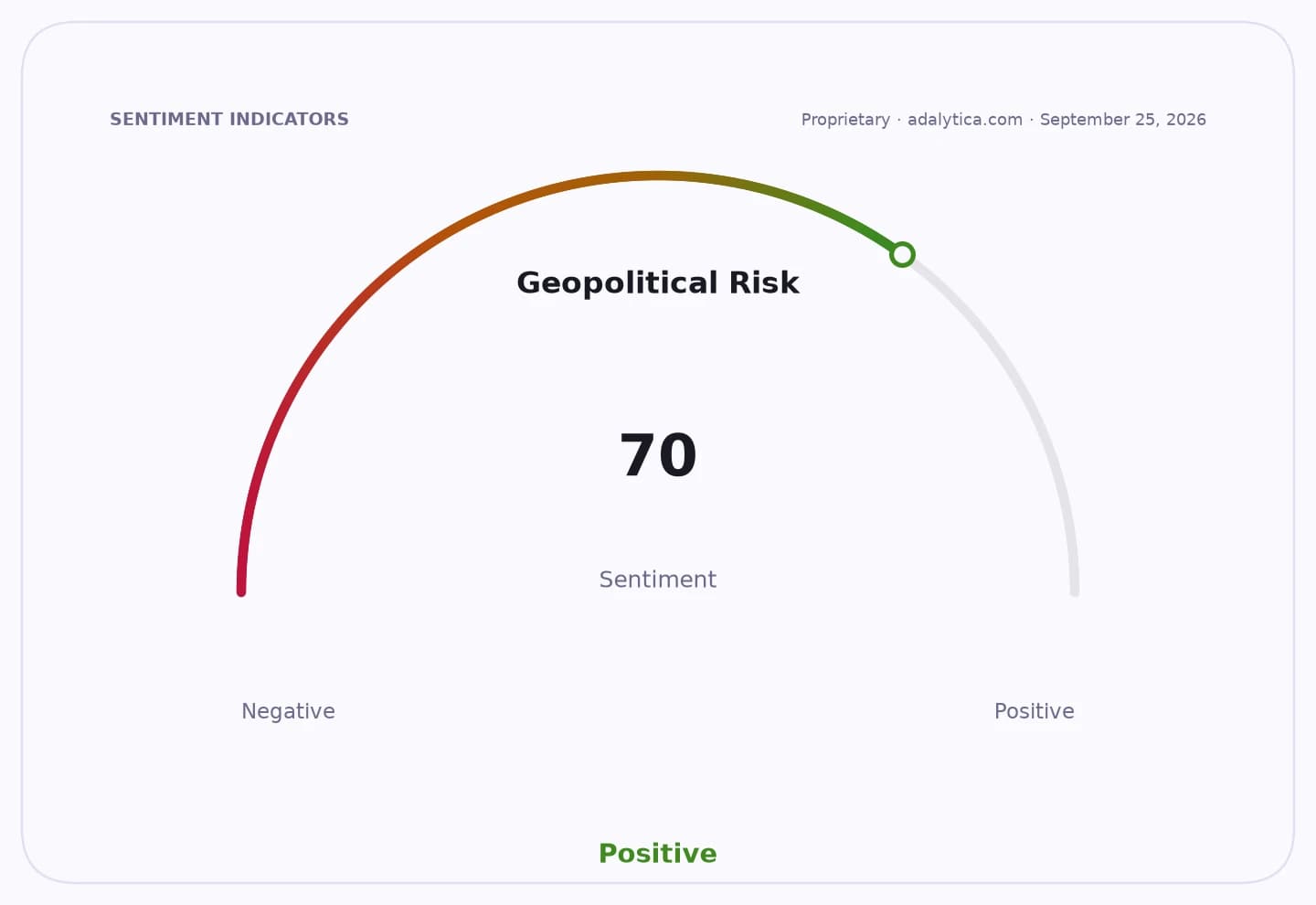
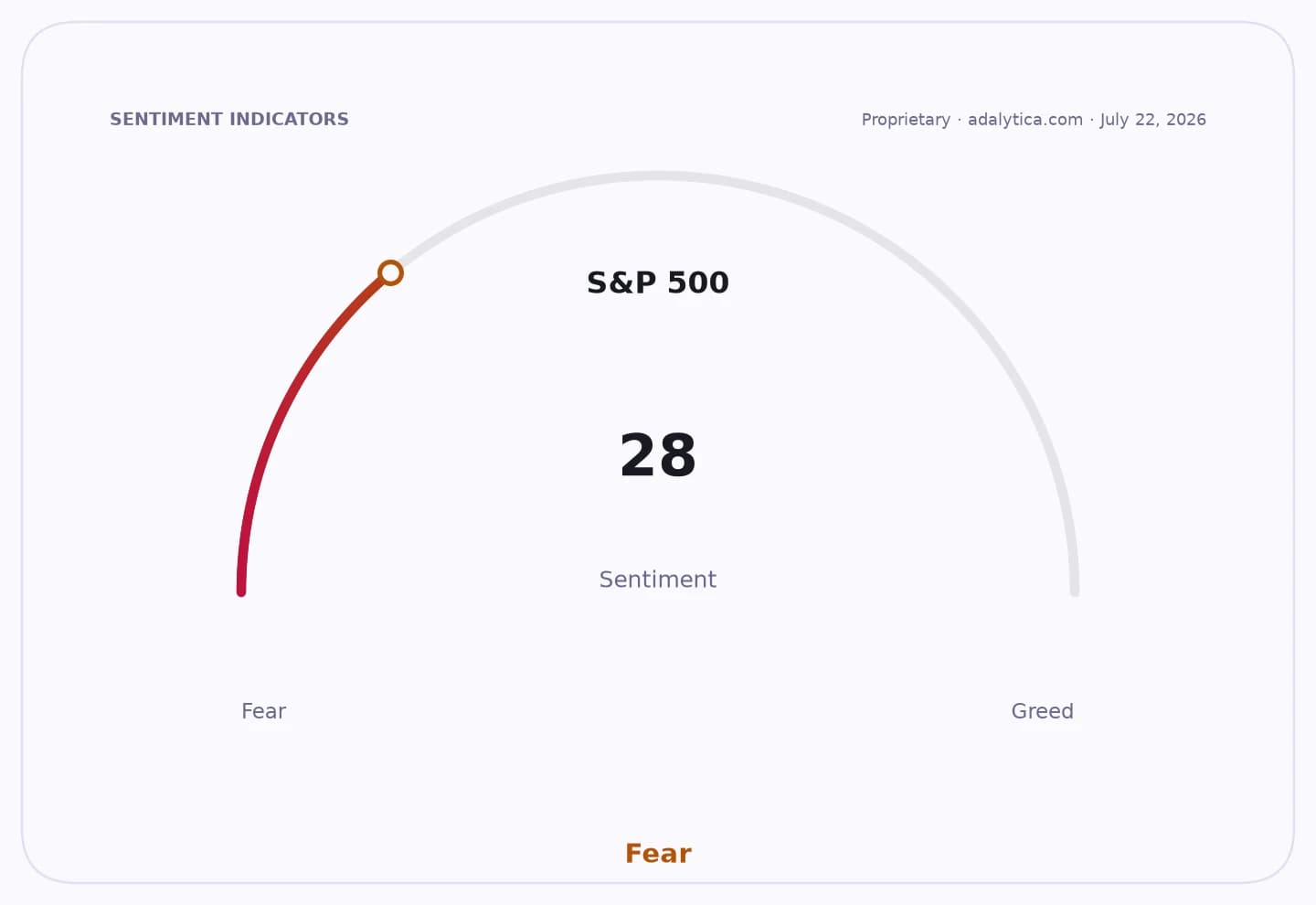
Sentiment IndicatorsⓘProprietary · adalytica.com · July 22, 2026
This is a snapshot — live sentiment, awareness and momentum for 130+ markets update continuously in the dashboard.Open AlphaPulse
For JPMorgan, the setup is unusually strong. The bank reported second-quarter net income of $21.2 billion, or $7.70 a share, on July 14, up from $15.0 billion a year earlier, underscoring how scale, trading, wealth and consumer banking can cushion the effect of a more uncertain macro backdrop. Its stock has continued to trade near the top end of its recent range, with the latest close just below its upper Bollinger Band and the 50-day average well above the 200-day, a technical profile that points to persistent institutional demand even after a powerful run-up.
Barclays is a different story. The UK lender has benefited from a broad bank rally, but its shares are far below JPMorgan’s in absolute terms and the market is more focused on whether its investment bank and UK lending franchises can offset margin pressure. That makes this earnings season especially important for Barclays: a weak margin print could quickly temper optimism that higher-for-longer rates and capital markets activity will keep supporting European banks.
S&P 500 vs JPMadalytica.com
Explore this data interactively — full history, time series and cross-market comparisons.Open AlphaPulse
The broader sector backdrop is mixed but still constructive. U.S. bank earnings have generally beaten expectations, with Goldman Sachs, Bank of America and Wells Fargo also turning in stronger results, while India’s HDFC Bank fell sharply after reporting weaker margins, a reminder that deposit costs and loan pricing remain central to the bank trade. The divergence reinforces a key investor theme: the winners are likely to be banks with diversified fee income, disciplined expenses and enough trading or wealth revenue to offset pressure in spread lending.
Market signals point the same way. The S&P 500, through the financials-heavy XLF ETF, has held firm near 56.11, above both its 50-day and 200-day moving averages, but broader sentiment has turned more cautious, with Adalytica’s S&P 500 trade signals showing fear at 28. That combination suggests investors still want exposure to financials, but only where earnings quality is obvious.
The risk for both lenders is that strong recent numbers have left little room for disappointment. For JPMorgan, the bar is sustaining exceptional profitability without stoking questions about peak earnings. For Barclays, the challenge is proving that its rebound in capital markets can be matched by steadier lending economics. If both banks deliver, the earnings season will reinforce the case that large global lenders remain among the clearest beneficiaries of a still-resilient economy and active markets. If margins slip or credit costs rise, the rally in bank shares could slow quickly.
| Entity | Gains | Losses |
|---|---|---|
| JPMorgan | ▲diversified earnings power | ▼peak-earnings doubts |
| Barclays | ▲stronger trading rebound | ▼margin pressure |
| Bank shareholders | ▲continued buyback/dividend support | ▼any profit miss |
| Bank shorts | ▲volatility if beats continue | ▼upside squeeze |