The case for rotating cash through introductory high-interest savings accounts is being reinforced by still-elevated U.S. interest rates, with the Federal Reserve holding its policy rate at 3.63% and the 2-year Treasury yielding about 4.2%, levels that leave banks room to keep marketing aggressive deposit offers.
Banks, savers see higher introductory rates on elevated yields
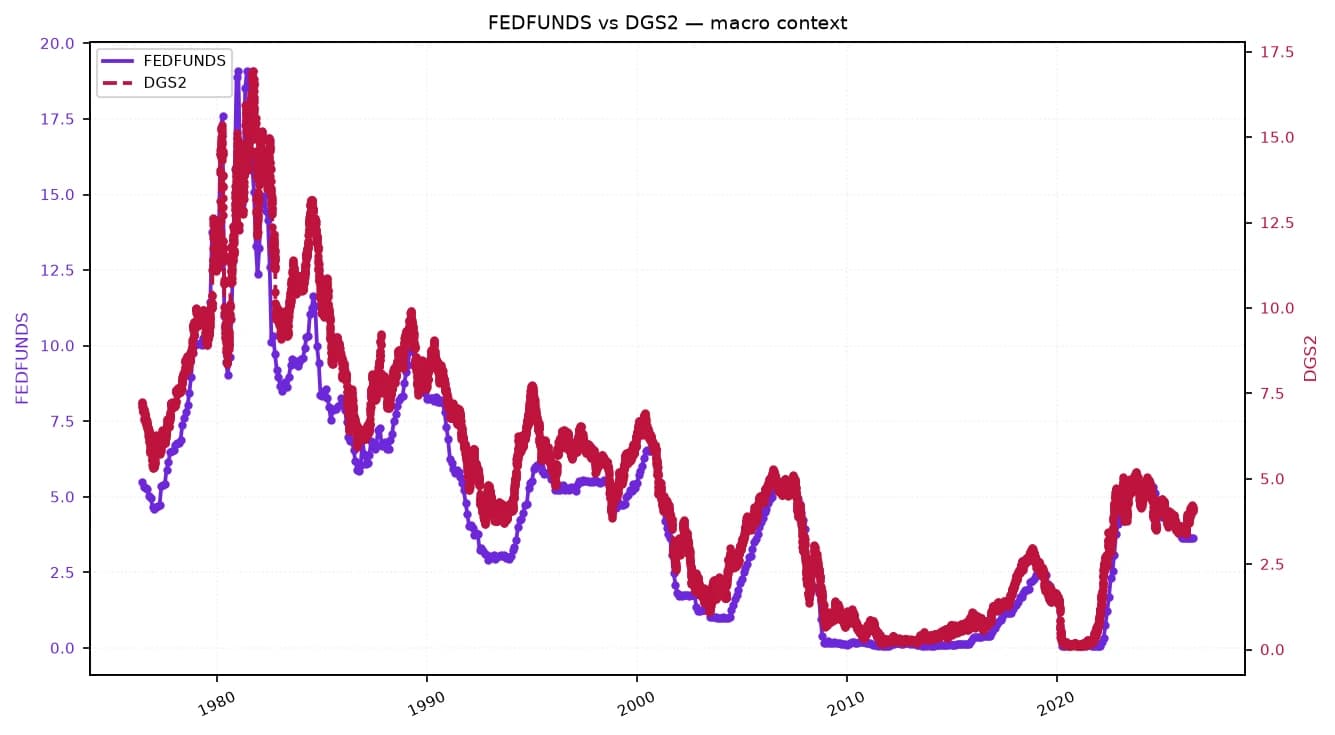
That matters because introductory savings rates are one of the few low-risk ways households can capture income from a rate regime that remains tight by historical standards. Even with the Fed seen little changed near 3.625% next month, short-dated government yields are still well above the policy rate’s long-run floor, allowing lenders to fund balance sheets cheaply while competing for sticky deposits. For consumers, the economics are straightforward: fresh customers can often earn yields that exceed what long-tenured savers receive in standard accounts, especially if they move money after a two-year gap and qualify for new-account bonuses.
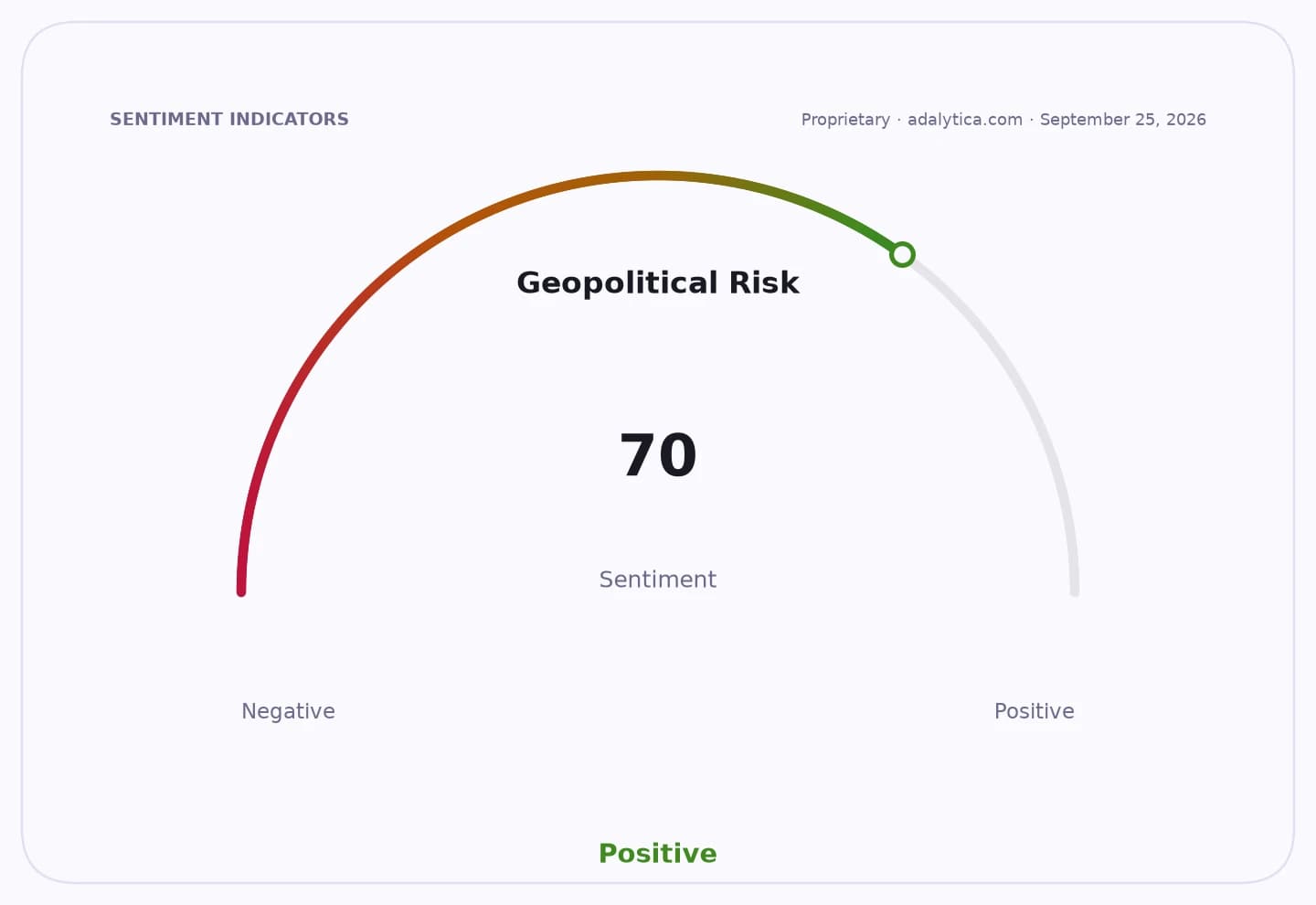
Sentiment IndicatorsⓘProprietary · adalytica.com · August 6, 2026
This is a snapshot — live sentiment, awareness and momentum for 130+ markets update continuously in the dashboard.Open AlphaPulse
The backdrop for banks is different. Deposit pricing remains a margin management exercise, not a giveaway. The 10-year Treasury has eased to about 4.63% from 4.75% at the end of July, but it is still high enough to keep broader funding costs elevated. The spread between the Fed funds rate and the 2-year note, near 60 basis points, suggests markets still expect policy to stay restrictive enough to support competitive cash yields. That is consistent with a promotional environment in which banks can attract deposits without materially sacrificing profitability, particularly if customers do not keep balances on the highest-rate teaser for long.
Investors should care because the incentive structure favors banks with strong deposit franchises and disciplined funding mixes. JPMorgan Chase, Bank of America and Wells Fargo have all seen shares grind higher in recent weeks, reflecting resilience in net-interest income and confidence that deposit migration has not become disorderly. JPMorgan closed at $359.24 and Bank of America at $63.25 on Aug. 5, both comfortably above their 200-day moving averages, while Wells Fargo traded at $89.17, just above its 200-day average. The move suggests the market is still rewarding lenders that can maintain deposit growth without paying up too much for it.
There is also a broader macro narrative at work. Dollar sentiment, as tracked by Adalytica.com, is flashing “Extreme Greed,” a sign that investors remain comfortable with U.S. yields and the currency’s carry advantage. That environment tends to support banks’ ability to offer headline-grabbing savings rates while still preserving spreads, but it can also pull cash toward short-term instruments rather than risk assets. For households, that means the opportunity cost of sitting in a no-yield checking account remains high. For banks, it means promotional savings campaigns are likely to persist as long as money-market competition and Treasury yields stay elevated.
The practical takeaway is that introductory high-yield savings accounts remain a relevant income strategy, not a relic of the post-pandemic rate spike. If rates drift lower later this year, the window for attractive teaser offers could narrow quickly. For now, consumers willing to move idle cash can still extract meaningful yield from a market that remains unusually generous to savers — provided they pay attention to expiry dates, minimum balance rules and the jump back to lower standard rates after the promotional period ends.
| Entity | Gains | Losses |
|---|---|---|
| New savings account switchers | ▲Higher introductory yields | ▼Time spent managing account changes |
| Banks with deposit funding needs | ▲Cheap access to fresh deposits | ▼Higher interest expense |
| Long-tenured retail savers | ▲Incentive to shop for better rates | ▼Low default rates in legacy accounts |
| Money market and Treasury alternatives | ▲Competitive benchmark for cash | ▼Deposits if rates stay attractive |