Göksel Gümüşdağ used a friendly match between Istanbul Başakşehir and Zenit to sharpen a broader challenge to the West’s sanctions regime, saying Russia’s exclusion from international sport is unfair and should be reversed.
Başakşehir-Zenit Match Revives Russia Ban Debate
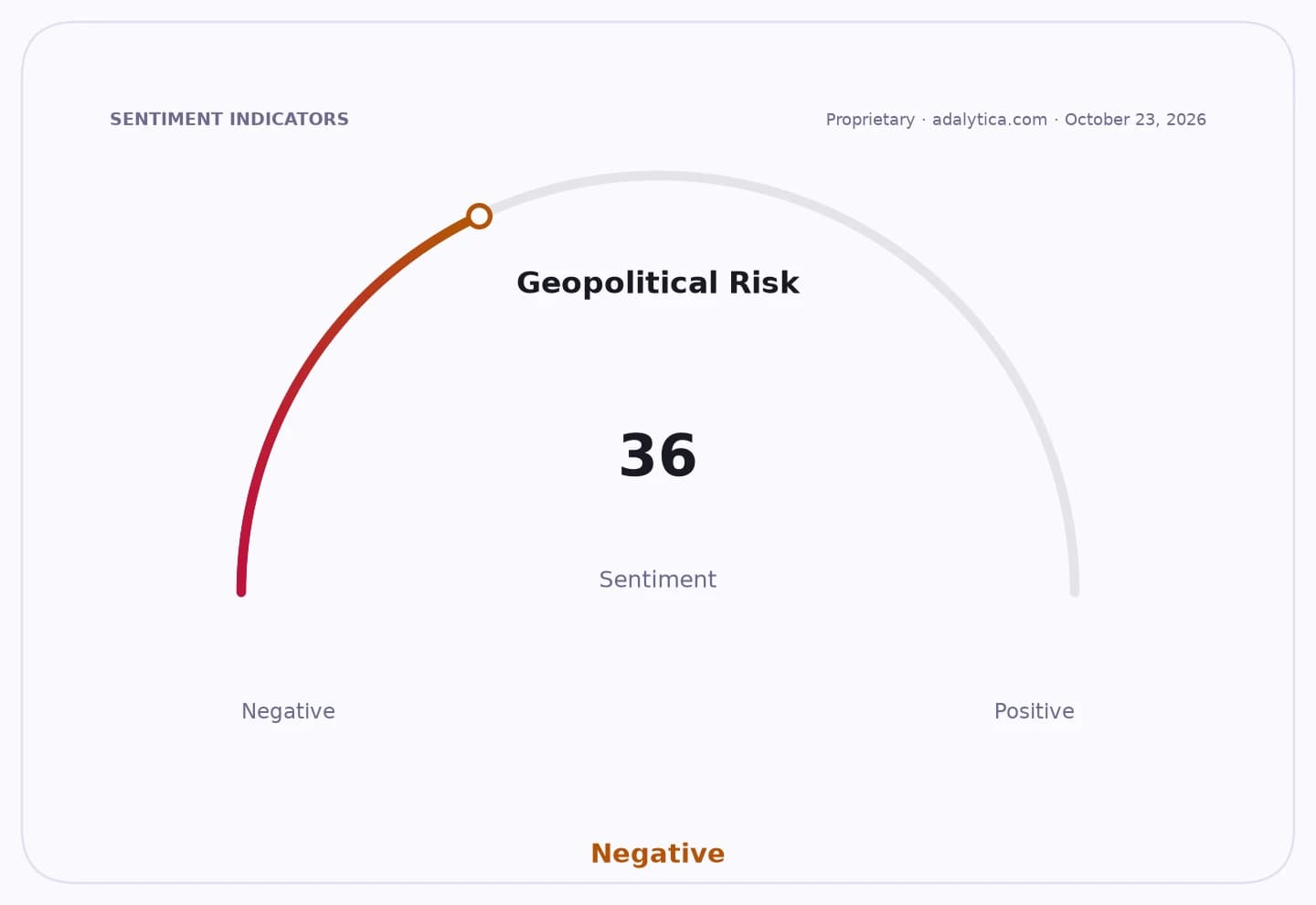
Geopolitical Risk
That matters because the debate is no longer just about football. It is another sign that the Ukraine war continues to fracture international institutions, with sports bodies becoming a proxy battleground for sanctions policy, diplomatic pressure and competing narratives about fairness. For investors, the important point is that the longer Russia remains isolated, the more geopolitics keep spilling into sectors that were once considered insulated from sanctions risk, from media rights and sponsorships to tourism, cross-border events and brand positioning.
Sentiment Indicators
Gümüşdağ’s comments came after Başakşehir beat Zenit 3-2 in a veteran’s exhibition match held in Istanbul as part of the Verona Eurasia Economic Forum. He said the club wanted to promote peace and dialogue, but argued that UEFA and FIFA were applying “double standards” by banning Russian teams while not imposing comparable measures on Israel. Mesut Özil echoed the call for FIFA to end what he described as unequal treatment.
The market implication is not that a rule change is imminent. It is that sanctions fatigue is becoming more visible in the public debate, even as the official line from Europe remains unchanged. Ukraine has warned that easing pressure on Moscow only strengthens Vladimir Putin, while the European Union has kept sanctions in place until the war ends. That split underscores a broader reality: investors should expect a prolonged period in which geopolitics, not pure sporting merit or commercial logic, determines access, partnerships and capital flows.
For the sports economy, that creates winners and losers. Clubs and federations that can operate across political fault lines may gain relevance as neutral hosts or bridge-builders. Sponsors and event organizers with exposure to sanctioned markets face higher reputational and compliance risk. And any thaw in Russia’s access to international competition would be a meaningful catalyst for broadcasters, sponsors and clubs with commercial ties to the region.
The message for markets is straightforward: sanctions are not static, and neither is the business case around them. If the pressure campaign against Russia starts to fracture further, or if selective exemptions become more common, the next winners will be the intermediaries that can move quickly when diplomacy opens a door. Until then, investors should treat geopolitics as a structural variable, not a headline risk.
| Entity | Gains | Losses |
|---|---|---|
| Turkish clubs hosting Russian teams | ▲visibility and goodwill | ▼reputational scrutiny |
| Russian clubs and athletes | ▲path back to competition | ▼continued isolation |
| UEFA/FIFA | ▲pressure to revisit policy | ▼credibility if double standards persist |
| Sponsors/event organizers | ▲bridging opportunities | ▼compliance and reputational risk |