Lee Robinson is betting against insurers, including Berkshire Hathaway, as one of the market’s most closely watched bearish calls on a sector that has already been rewarded for years of benign losses and aggressive rate increases.
Bearish Case Builds on Insurers
That matters because insurance is not just another defensive pocket of the market. It sits at the center of credit, catastrophe risk, capital allocation and household pricing power, and when a veteran macro fund manager turns negative on the group, it is usually because he sees the earnings cycle turning before consensus does. If he is right, the trade is not merely a punt against one conglomerate — it is a bet that underwriting margins, reserve strength and investor expectations are all too high.
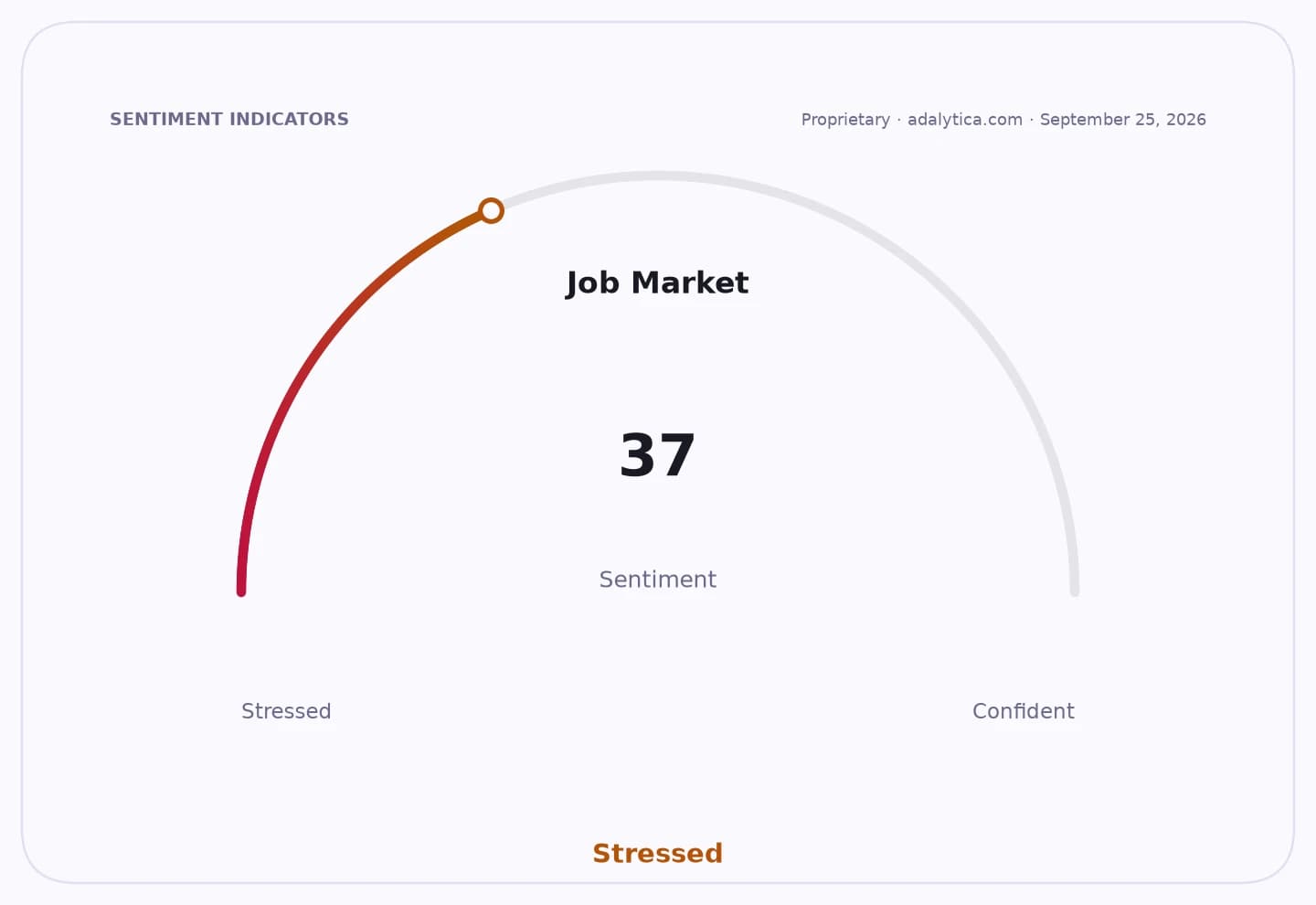
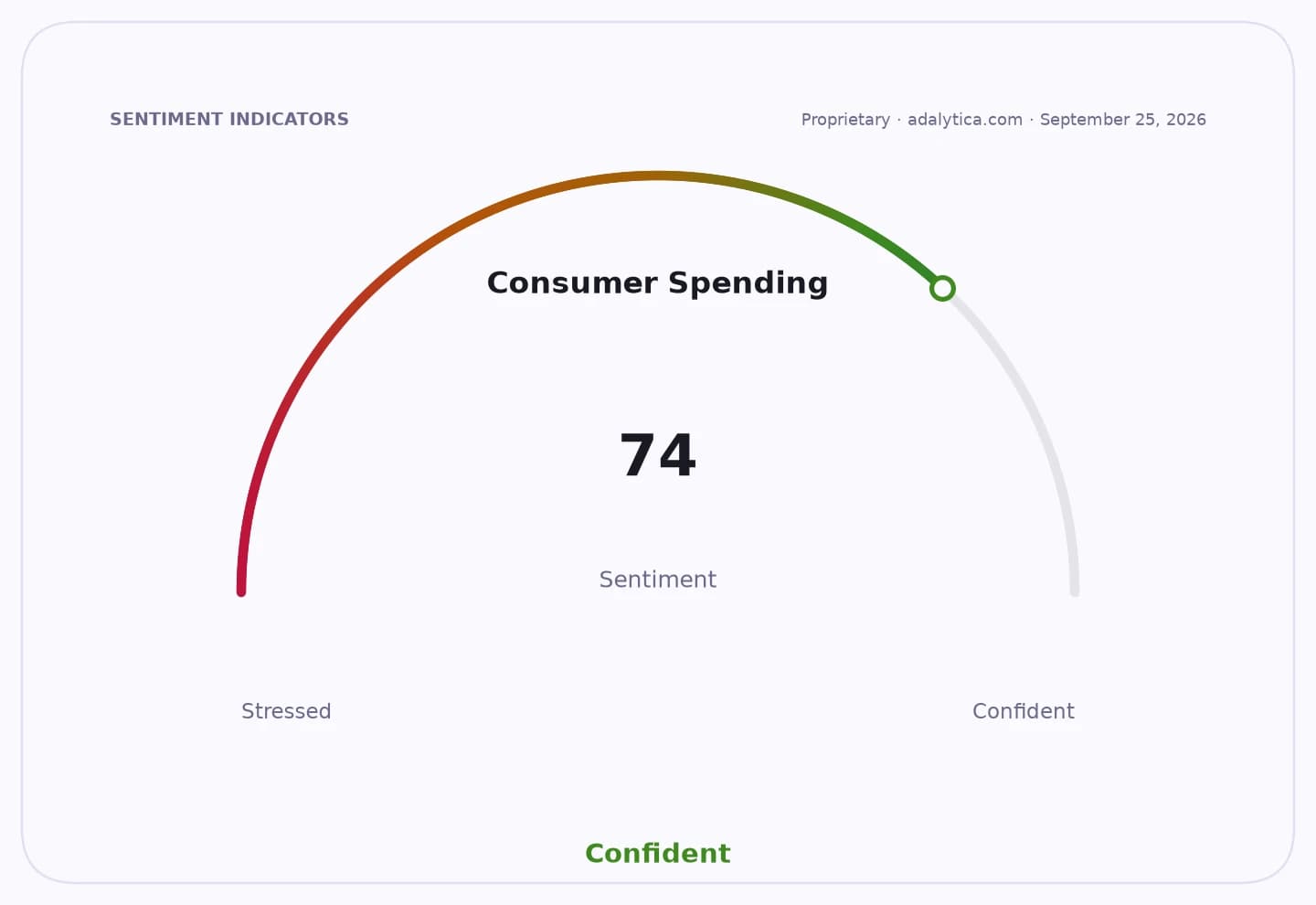
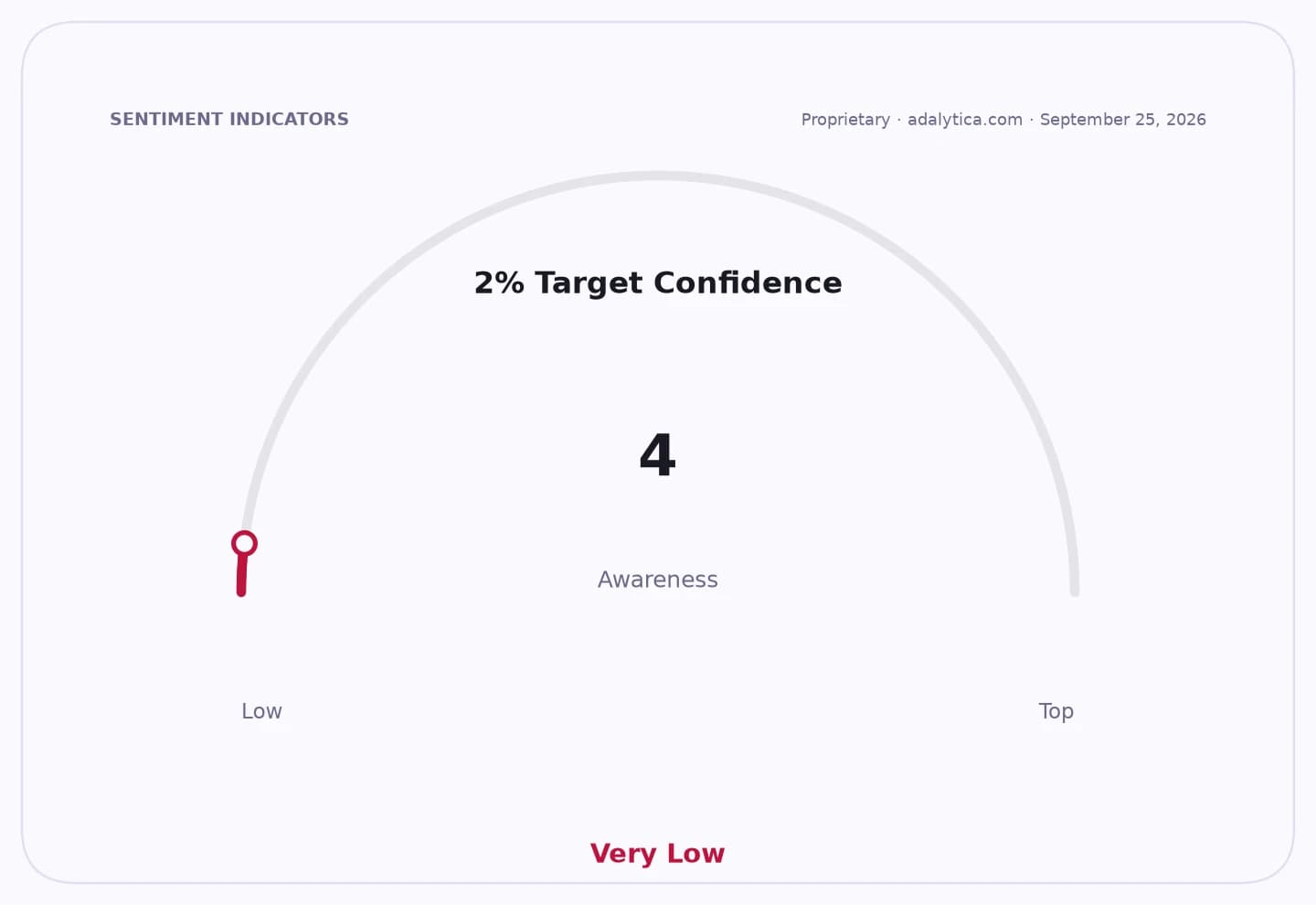
Sentiment IndicatorsⓘProprietary · adalytica.com · July 16, 2026
This is a snapshot — live sentiment, awareness and momentum for 130+ markets update continuously in the dashboard.Open AlphaPulse
The market is giving Berkshire the benefit of the doubt even as the stock shows signs of fatigue. Berkshire’s Class B shares have slipped to about $488, below both the 50-day and 200-day moving averages, while momentum has cooled from earlier in the year. That is hardly a collapse, but it does suggest investors are no longer paying up for a safety premium that once looked almost untouchable.
The broader insurance complex tells a similar story. Travelers shares have surged this year and then pulled back, while AIG has rallied sharply before surrendering part of those gains. The pattern is classic late-cycle behavior: insurers can post strong results for a while as premiums catch up to claims, but once the market begins to price in the peak, the upside gets harder to defend.
Robinson’s timing is notable because the sector’s bullish narrative is built on the assumption that elevated pricing can hold and investment income can keep masking underwriting strain. Yet the underlying pressure points are still there: catastrophe volatility, claims inflation and a market that may be underestimating how quickly favorable conditions can reverse. Berkshire’s own filings have stressed that underwriting earnings can swing meaningfully with property catastrophe losses, which is another way of saying the business is never as low-risk as its reputation suggests.
For investors, this is where the asymmetric opportunity may lie. If insurance margins simply normalize, multiples can compress without an outright earnings collapse. If loss trends worsen or reserve confidence erodes, the downside can accelerate quickly, especially in names the market treats as quasi-bonds. That is why shorts in insurers can work so well after long stretches of calm: the sector looks boring right up until it stops being boring.
There is also a wider macro read-through. Adalytica’s S&P 500 trade signals show neutrality in sentiment but extreme fear in awareness around Treasuries, a reminder that rate and risk perceptions are still unstable. In that kind of environment, insurers are pulled in two directions — higher yields help investment income, but tighter financial conditions, weaker asset prices and more volatile catastrophe exposure can expose the cracks in underwriting. The market is underestimating how quickly those forces can flip from support to headwind.
My view: this is not a call to panic on insurers, but it is a strong argument to stop treating them as effortless compounders at the top of the cycle. For investors looking for the cleaner trade, the better risk-reward may be in selective shorts on richly valued insurers and in capital-light beneficiaries of insurance stress, rather than in the insurers themselves. If Robinson is right, the next leg in this story is not about one stock — it is about the market finally pricing in that the insurance cycle has turned.
| Entity | Gains | Losses |
|---|---|---|
| Short sellers | ▲Cycle reversal tailwind | ▼If pricing stays firm |
| Insurers | ▲Higher premiums, if sustained | ▼Margin compression, loss volatility |
| Berkshire Hathaway | ▲Investment income, diversification | ▼Multiple de-rating, underwriting risk |
| Insurance buyers | ▲Better risk selection | ▼Higher policy costs |