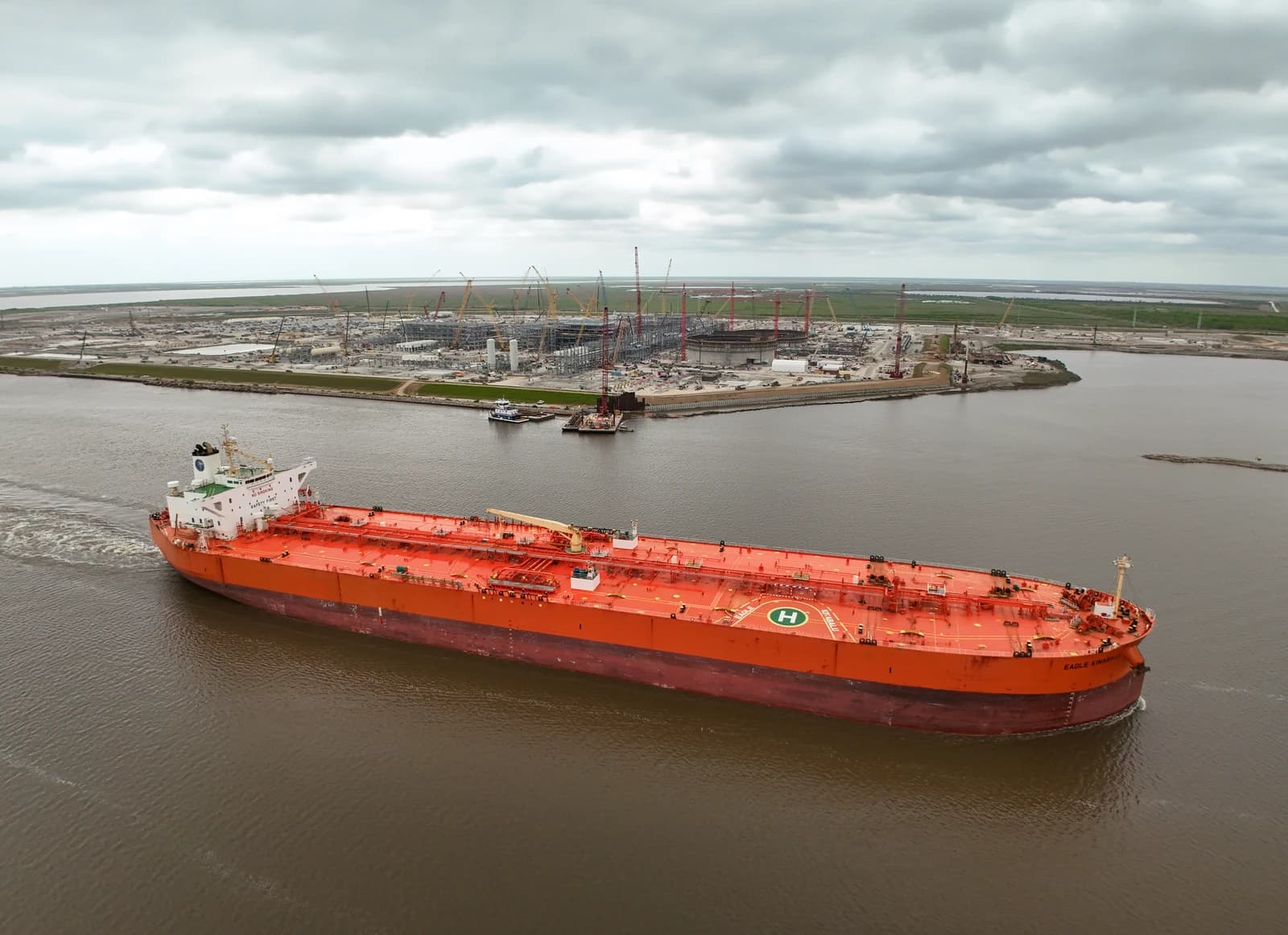
Greg Abel’s bet on Berkshire Hathaway subsidiary power demand underscores the real way the conglomerate wins in the AI boom: not by chasing flashy model builders, but by owning the infrastructure that has to be built, wired and powered no matter which company wins the race.
Berkshire Benefits From AI Grid Buildout
That matters because the market is still treating artificial intelligence like a software-only story when the bigger money is flowing into the physical economy — data centers, transmission, utility interconnects and grid upgrades. If Abel is right that one Berkshire subsidiary can see AI-powered growth, the implication is broader than a single operating company. Berkshire’s advantage is that it can monetize the capex supercycle from multiple angles: regulated rate base, energy transport, industrial services and long-duration infrastructure assets that compound as the buildout spreads.
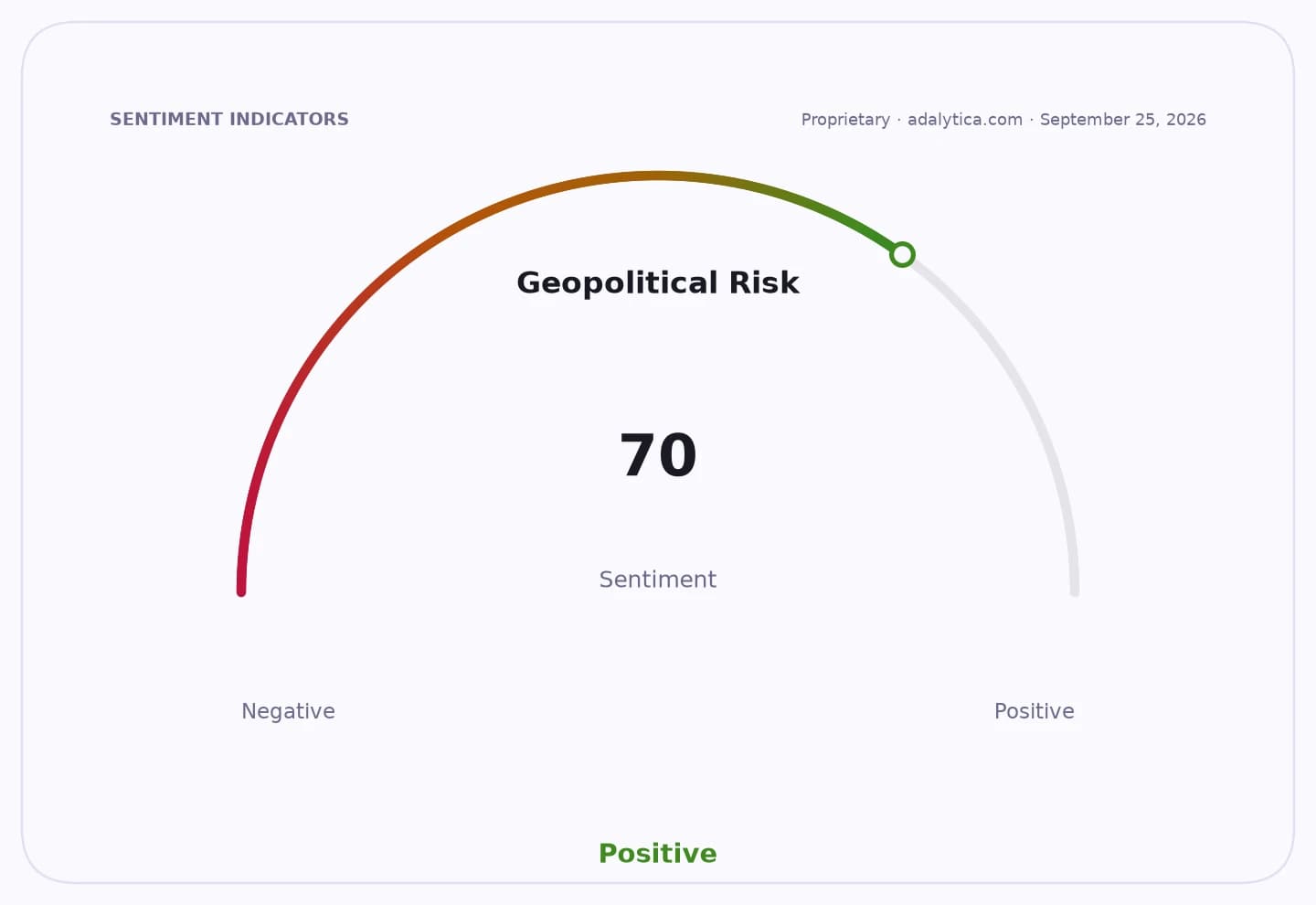
Sentiment IndicatorsⓘProprietary · adalytica.com · July 17, 2026
This is a snapshot — live sentiment, awareness and momentum for 130+ markets update continuously in the dashboard.Open AlphaPulse
The numbers in the broader market show why that matters. Microsoft and Alphabet have both been trading around their 50-day and 200-day moving averages in a way that reflects ongoing investor debate over how much AI spending can still be justified, but their filings make the direction of travel clear: AI infrastructure remains a major cash call, not a one-off experiment. Microsoft has explicitly tied lower gross-margin pressure to continued investment in AI infrastructure, while Alphabet’s stock has been repricing around a massive cloud and AI capex cycle. For Berkshire, that is exactly the kind of environment that can create durable, underappreciated earnings growth in a subsidiary investors do not typically price like an AI winner.
The market underestimates how much of the AI trade will accrue to toll roads rather than app developers. Utilities and energy networks do not need to invent the next model; they need to deliver the electricity, reliability and transmission capacity that every model requires. That makes Berkshire’s energy footprint especially attractive in an era when grid constraints are becoming a bottleneck. If AI demand keeps lifting load growth, the winners are likely to be the companies with scale, permitting, and capital discipline — not the ones relying on narrative momentum alone.
The current tape also supports that view. The S&P 500 remains in a risk-on posture, but proprietary Adalytica trade signals show awareness still sitting in fear even as sentiment stays neutral, suggesting the market is not fully embracing the next phase of the AI infrastructure cycle. That is often where the best opportunities emerge: when the crowd is chasing the headline beneficiaries while the quieter enablers are still cheap enough to matter.
For Berkshire, the thesis is simple. If AI spending keeps expanding across cloud, chips and data centers, the conglomerate does not need a moonshot to outperform. It only needs its regulated and infrastructure-heavy businesses to capture a sliver of that capex wave, then compound it for years. Investors looking for asymmetric exposure to the AI era should not just own the names building the models — they should own the companies powering the grid behind them. Berkshire remains one of the cleanest ways to do that.
| Entity | Gains | Losses |
|---|---|---|
| Berkshire Hathaway utilities | ▲Higher load growth, wider rate base | ▼Upfront capex burden |
| AI cloud giants | ▲Faster product rollout | ▼Margin pressure from infrastructure spend |
| Grid and power suppliers | ▲More project demand | ▼Capacity and permitting strain |
| Late-cycle AI pure plays | ▲Momentum fades if capex slows | ▼Valuation compression |