BHP’s warning that Queensland’s coal tax is “not sustainable” puts the state’s biggest resource engine and Australia’s mining investment case on a collision course with policy risk that could cost jobs, curb capital spending and eventually hit export revenues.
BHP Warns Queensland Coal Tax Is Unsustainable

The economic stakes are bigger than a single company’s gripe. Coal royalties and taxes have become a flashpoint because they sit directly on top of a sector already facing volatile prices, higher costs and pressure to keep low-cost supply flowing into Asia. When the world’s largest diversified miner says the regime is squeezing viability, investors should listen: if producers start shelving extensions, delaying sustaining capital or trimming workforces, the pain spreads from mine gates to contractors, rail operators, ports and state coffers.
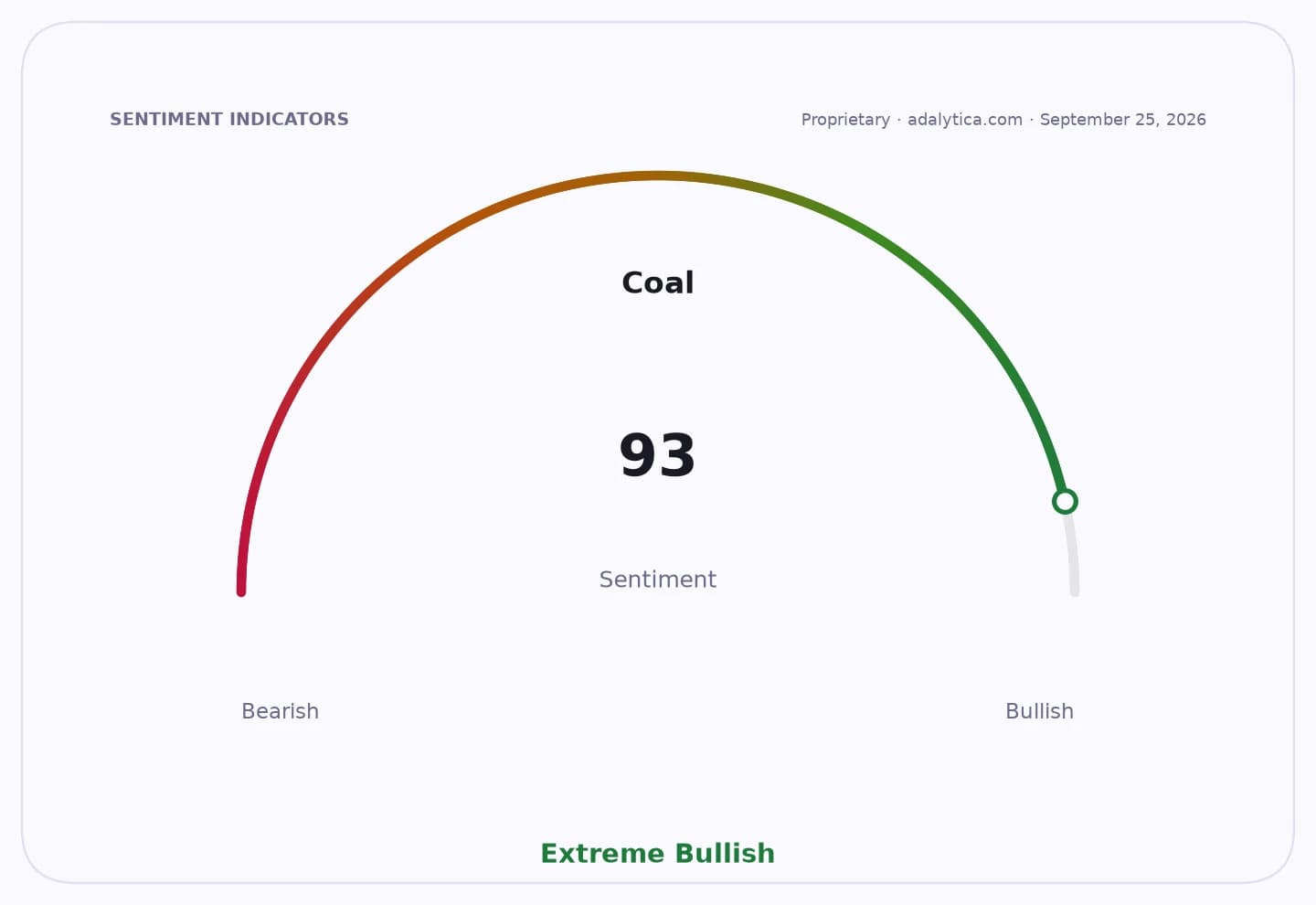
Sentiment IndicatorsⓘProprietary · adalytica.com · August 18, 2026
This is a snapshot — live sentiment, awareness and momentum for 130+ markets update continuously in the dashboard.Open AlphaPulse
That matters because Queensland is still heavily dependent on the coal chain for wages, infrastructure spending and royalty income. A tax structure that captures more upside in boom times can quickly turn punitive if prices soften or if companies conclude the marginal tonne no longer clears the hurdle rate. In that case, governments may collect more on paper but risk less production, fewer export volumes and a weaker long-term tax base. The message from BHP is that the current balance is now threatening the economics of operating in the state.
For investors, the immediate read-through is that policy uncertainty is becoming part of the valuation discount for Australian coal and, by extension, the broader resources sector. BHP, Rio Tinto and other miners can absorb cyclical swings, but they cannot ignore an input that directly changes after-tax returns on capital. BHP shares have been trading firmly, with the stock above both its 50-day and 200-day moving averages and momentum still positive, but the market is now pricing a healthier commodity backdrop against a less cooperative fiscal regime. That combination argues for selectivity: the best exposure is still to companies with pricing power, diversified cash flows and lower sovereign risk, while pure-play operators face a tougher path if royalties stay elevated.
The broader narrative is one investors are seeing across the resource complex: governments want a bigger slice of the windfall just as capital is demanding more discipline. Australia has built an enviable export model on mining, but the next phase of the cycle will favor jurisdictions that can attract replacement capital, not just extract it. If Queensland does not recalibrate, the likely result is not a one-time political fight but a slower erosion of investment, output and employment across the coal corridor.
For now, the takeaway is straightforward: the market underestimates how quickly a “temporary” tax grab can become a structural drag on capital allocation. Investors should watch for mine plan changes, capex deferrals and any sign that producers begin to re-rank Queensland assets against alternatives elsewhere. That is where the real value destruction — or opportunity — will emerge.
| Entity | Gains | Losses |
|---|---|---|
| Queensland government | ▲Near-term royalty revenue | ▼Long-term investment appeal |
| BHP and miners | ▲Potential policy leverage | ▼After-tax returns, jobs |
| Contractors and local communities | ▲None immediately | ▼Work, spend, employment |
| Export rivals with lower tax burdens | ▲Relative competitiveness | ▼Less directly affected |