Biarritz is at the sharp end of a New Aquitaine housing market that is being reshaped by scarce supply, stubbornly high prices and a renewed squeeze from financing costs.
Biarritz Leads Nouvelle-Aquitaine Home Prices
The Basque resort now has the region’s priciest old housing market at 8,765 euros per square meter, while nearby La Rochelle has climbed to 5,284 euros, ahead of Bordeaux at 4,847 euros. The gap matters because it shows how demand has concentrated in coastal and lifestyle cities even as the broader regional market cools and affordability worsens for buyers.
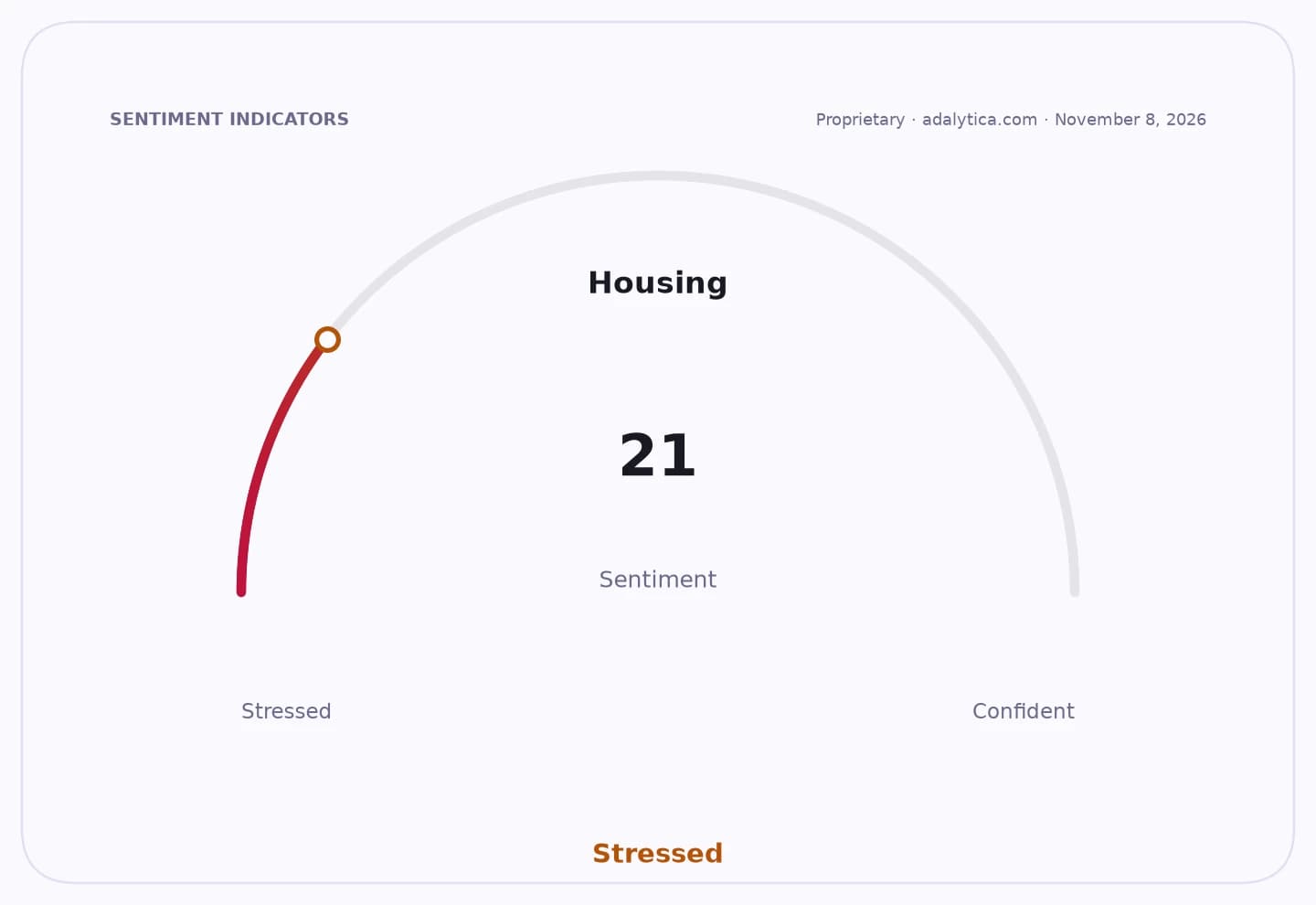
Sentiment Indicators
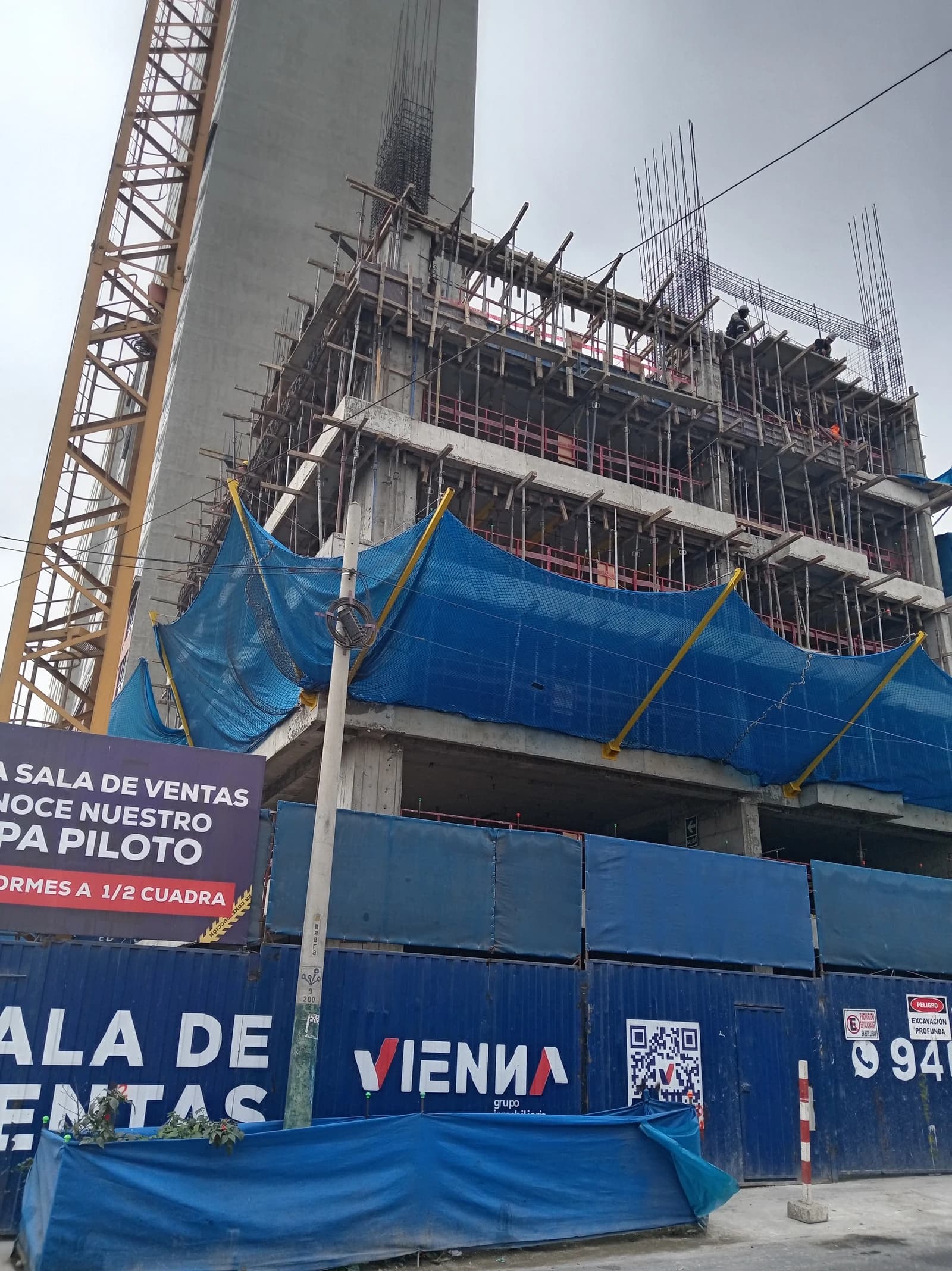
What is changing most is inventory. Across Nouvelle-Aquitaine, the supply of homes has fallen 10%, the steepest drop in France, while apartment listings are up 20%. Houses now account for 70% of all ads, down from 76% a year earlier, tightening choice for families and pushing buyers toward smaller units and secondary cities.
That shift is visible in the price performance. La Rochelle’s old-home prices are up 9.2% since 2023, while Bordeaux has lost 4.6% over the same period and slipped 2% over the past year as supply rose 19%. In a region where some mid-sized cities such as Mont-de-Marsan, Brive-la-Gaillarde and Niort are still posting gains, the market is fragmenting between high-demand coastal locations and slower inland hubs.
For investors, the implication is twofold: affordability is deteriorating, but rental economics remain attractive in lower-priced markets. Limoges, the cheapest of the 12 cities studied at 1,822 euros a square meter, can buy a 129-square-meter house for the cost of a studio in Biarritz, and its gross rental yield of 6.3% is the highest in the region.
Financing is the other pressure point. The average mortgage rate rose to 3.40% in September from 3.16% in December 2025, while France’s 10-year borrowing cost briefly moved above 5% last month, a signal that bank lending rates may rise further. That would hit transaction volumes and further favor cash-rich buyers, even as price resilience persists in the most sought-after locations.
The result is a market revolution in slow motion: fewer houses, more apartments, higher borrowing costs and a wider split between premium coastal markets such as Biarritz and more affordable inland cities. The next catalyst is whether credit costs keep rising enough to cool demand or whether scarcity keeps propping up prices in the region’s most desirable towns.
| Entity | Gains | Losses |
|---|---|---|
| Biarritz sellers | ▲Higher prices, strong demand | ▼Buyers facing tighter affordability |
| First-time buyers | ▲Lower prices in inland cities | ▼Coastal market access |
| Landlords in Limoges | ▲Highest regional yields | ▼Premium coastal competition |
| Mortgage borrowers | ▲None | ▼Higher financing costs |