Big tech’s political bias fight is no longer a culture-war sideshow; it is becoming a balance-sheet issue for Alphabet, Meta and Microsoft as governments turn scrutiny of content moderation, platform rules and public-policy positions into a drag on growth, margins and valuation.
Big Tech bias scrutiny hits Alphabet, Meta, Microsoft
For investors, that matters because the same companies that dominate digital advertising, cloud and AI infrastructure are also the ones most exposed to regulator-led limits on how they police speech, rank information and monetize user data. The risk is not just reputational. It is that compliance costs rise, product decisions get politicized and policy pressure narrows the operating flexibility that has long supported outsize returns.
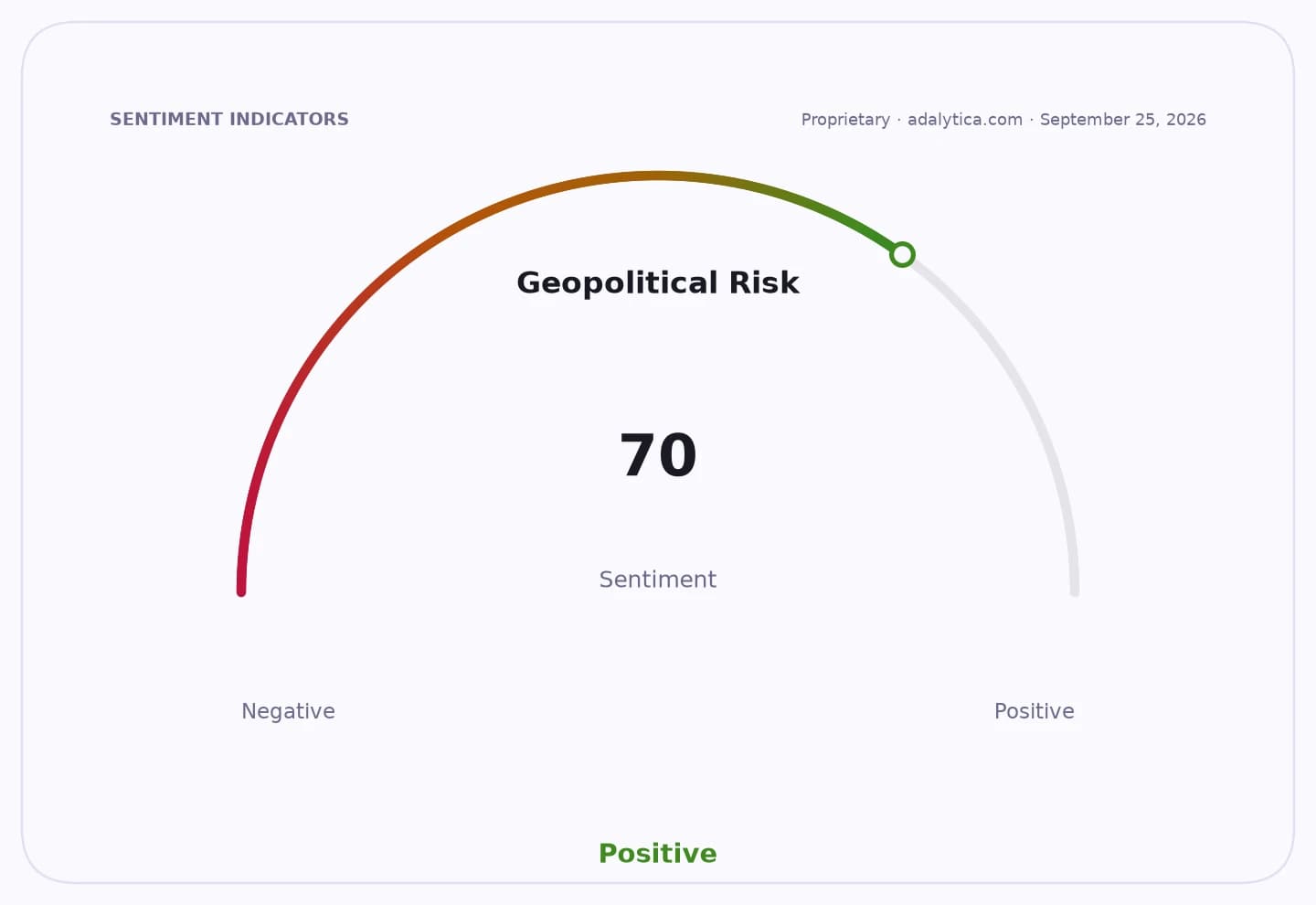
Sentiment IndicatorsⓘProprietary · adalytica.com · August 20, 2026
This is a snapshot — live sentiment, awareness and momentum for 130+ markets update continuously in the dashboard.Open AlphaPulse
Alphabet is the most visible example. Its shares ended at $342.80 on Aug. 20, down from a recent peak above $382, while the stock has slipped back under its 50-day moving average near $352 after a run that left momentum indicators cooling. That kind of pullback does not erase the AI thesis, but it does show how quickly the market re-rates a mega-cap when trust, regulatory tolerance and political narrative collide. The same is true for Meta, which has been punished far more sharply: shares closed at $546.71 on Aug. 20, well below a 2026 high above $737 and under both its 50-day and 200-day averages. Microsoft, by contrast, has held up better, ending at $481.63 after a violent midyear swing, but even there the broader message is clear: the market is assigning a premium to scale, not to political immunity.
The economic significance goes beyond one company or one election cycle. Social platforms and search engines sit at the junction of advertising, content distribution and AI training data. If lawmakers decide these firms are politically biased, the likely response is more hearings, more disclosure demands, more litigation and tighter limits on moderation and recommendation systems. That would hit the most profitable parts of the model first: ad targeting, content ranking and data leverage. It also raises the odds that rivals, including smaller platforms and open-source AI players, get a regulatory tailwind as customers and governments look for alternatives seen as less politically exposed.
Microsoft Corp — 30-day sentimentadalytica.com
Explore this data interactively — full history, time series and cross-market comparisons.Open AlphaPulse
The market is already split between winners and losers. Google and Meta face the most direct exposure because their businesses are built on information flow and ad monetization. Microsoft is less exposed on the consumer speech side, but its role in AI, enterprise software and government cloud makes it a central counterparty in any broader policy crackdown on Big Tech. The fact that Microsoft’s own filings flag public policy positions and reputational damage as risks is a reminder that even companies not at the center of the bias debate can still be pulled into it through partnerships, procurement and AI infrastructure.
There is also a second-order trade here that the market may be underestimating. If governments push harder on content controls and platform neutrality, capital spending may keep flowing away from consumer-facing “attention” businesses and toward the picks-and-shovels layer: chips, data centers, networking gear, cybersecurity and compliance software. That is where I believe the asymmetric opportunity sits. The bias debate is not just about who gets criticized. It is about where digital power migrates next.
Adalytica’s Microsoft Earnings Sentiment snapshot shows sentiment at 82, or “Greed,” even as awareness remains only 29, suggesting investors are warming to the stock faster than the broader narrative is changing. In other words, the market may be too quick to assume Big Tech can simply outrun political scrutiny with AI spending alone. I do not think that is the right read. The smarter positioning is to own the infrastructure beneficiaries and stay selective on the platforms most exposed to regulation and political backlash.
| Entity | Gains | Losses |
|---|---|---|
| AI infrastructure suppliers | ▲More capex and demand | ▼Less if regulation slows spending |
| Alphabet/Meta | ▲Scale and ad reach | ▼Moderation and policy scrutiny |
| Microsoft | ▲Enterprise AI demand | ▼Political spillover risk |
| Smaller alternative platforms | ▲User and policy tailwind | ▼Hard to match scale |