Bill Gates is pushing for an international body to police artificial intelligence, a call that lands at the center of a fast-escalating fight over whether the technology should be slowed by global rules or left to race ahead under U.S. and Chinese competition.
Bill Gates Calls for Global AI Oversight

The Microsoft co-founder told Reuters governments are “way behind” on AI and argued the industry cannot be trusted to self-regulate because no single company or regulator fully understands the technology’s economic and social impact. He compared AI to an “alien intelligence” and said the next 12 to 18 months will help determine whether the tools widen inequality or become “a great equalizer.”
Sentiment IndicatorsⓘProprietary · adalytica.com · September 17, 2026
This is a snapshot — live sentiment, awareness and momentum for 130+ markets update continuously in the dashboard.Open AlphaPulse
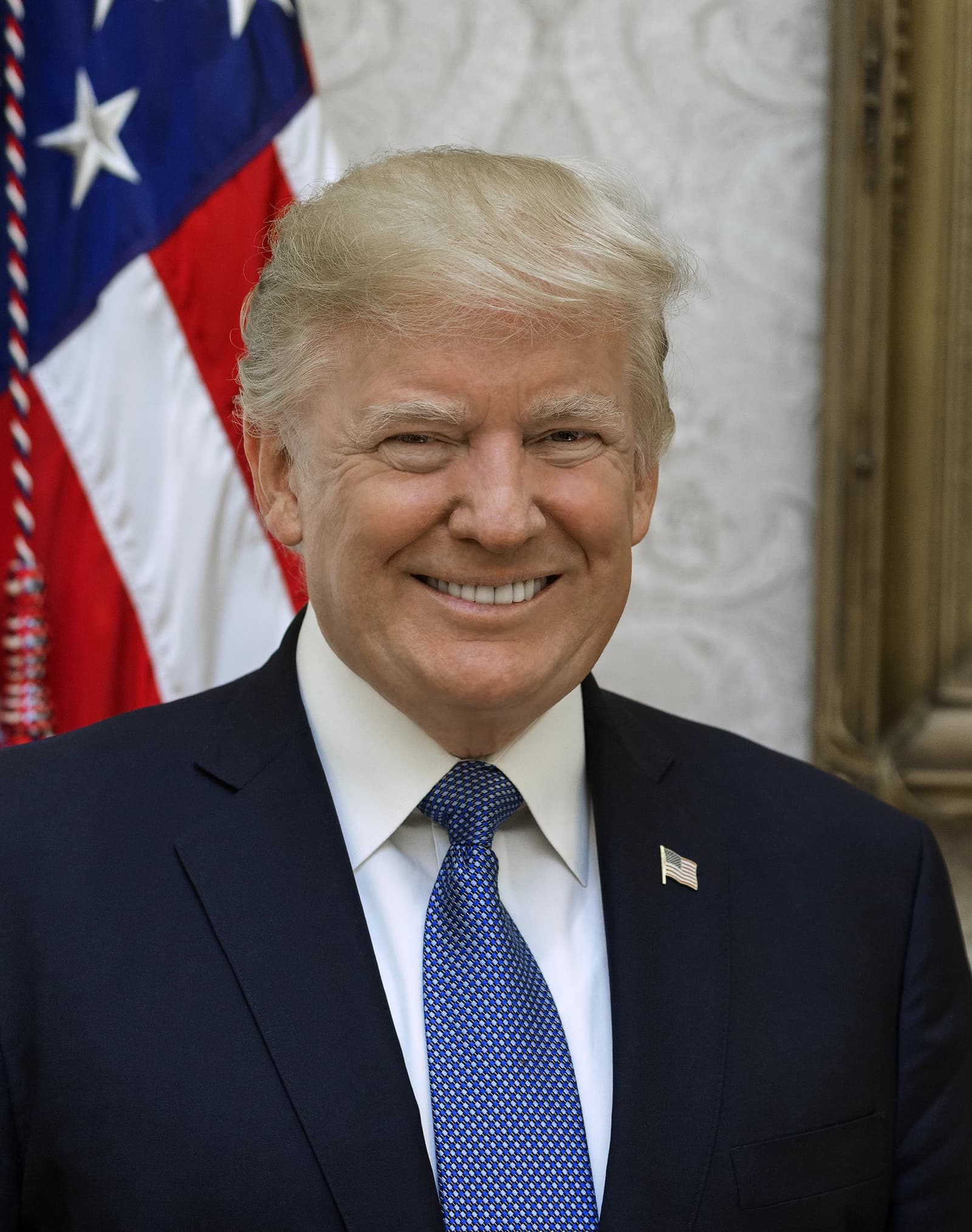
That matters because the regulatory debate is moving from theory to policy. Gates wants a permanent cross-border watchdog modeled on nuclear inspections, aviation standards and ozone treaties, while President Donald Trump has rejected a pause and said the U.S. is leading China in AI. At the same time, Democratic leaders including Barack Obama and Bernie Sanders are calling for tougher oversight, and China’s top spy chief is also warning about AI’s political risks while demanding tighter state control.
For investors, the split has direct implications for capital spending, model deployment and the pace of monetization across the sector. A global rulebook could slow rollout of frontier systems, raise compliance costs and favor incumbents with deeper regulatory and legal teams. That would be especially relevant for companies such as Microsoft, which backs OpenAI, and for Nvidia, whose chips remain at the center of the buildout and whose shares have been volatile as traders weigh AI demand against policy risk.
Gates’ warning also comes with a notable contradiction: the Gates Foundation said Tuesday it will commit at least $1 billion over two years to expand AI use in education, health and agriculture, part of a broader annual spend of about $9 billion. The foundation plans to direct roughly 40% of that money to tutoring and classroom tools, 40% to diagnostics and drug discovery, and the rest to farming applications and multilingual data infrastructure.
The message is clear: AI is now not just a technology race but a battle over who writes the rules. Any move toward international regulation would be watched closely by the biggest model developers, cloud providers and chipmakers, with the next policy signals from Washington, Beijing and the Trump team likely to set the tone for the sector’s next leg.
| Entity | Gains | Losses |
|---|---|---|
| Global regulators | ▲More oversight power | ▼Less industry autonomy |
| OpenAI and Anthropic | ▲Incumbent advantage from rules | ▼Slower frontier deployment |
| Microsoft | ▲Safer policy framework for partners | ▼Higher compliance burden |
| Nvidia | ▲Continued AI demand if rollout stays fast | ▼Slower chip orders if regulation tightens |