Bitcoin is trying to steady itself around $65,000, but the bigger story for crypto investors is that appetite for outsized gains is shifting back toward higher-risk tokens such as Pepeto as traders look past the blue chips and chase the next winner.
Bitcoin at $65,069.49, Ethereum at $1,921.77
That matters because the crypto market is no longer being driven only by conviction in Bitcoin and Ethereum as long-term stores of value. It is also being shaped by a familiar cycle: when the majors pause, capital often rotates into speculative altcoins and presale-style bets in search of stronger percentage returns. For investors, that can create both opportunity and danger. The upside is obvious if a smaller token catches momentum. The risk is that many of these moves are built on narrative first and fundamentals second.
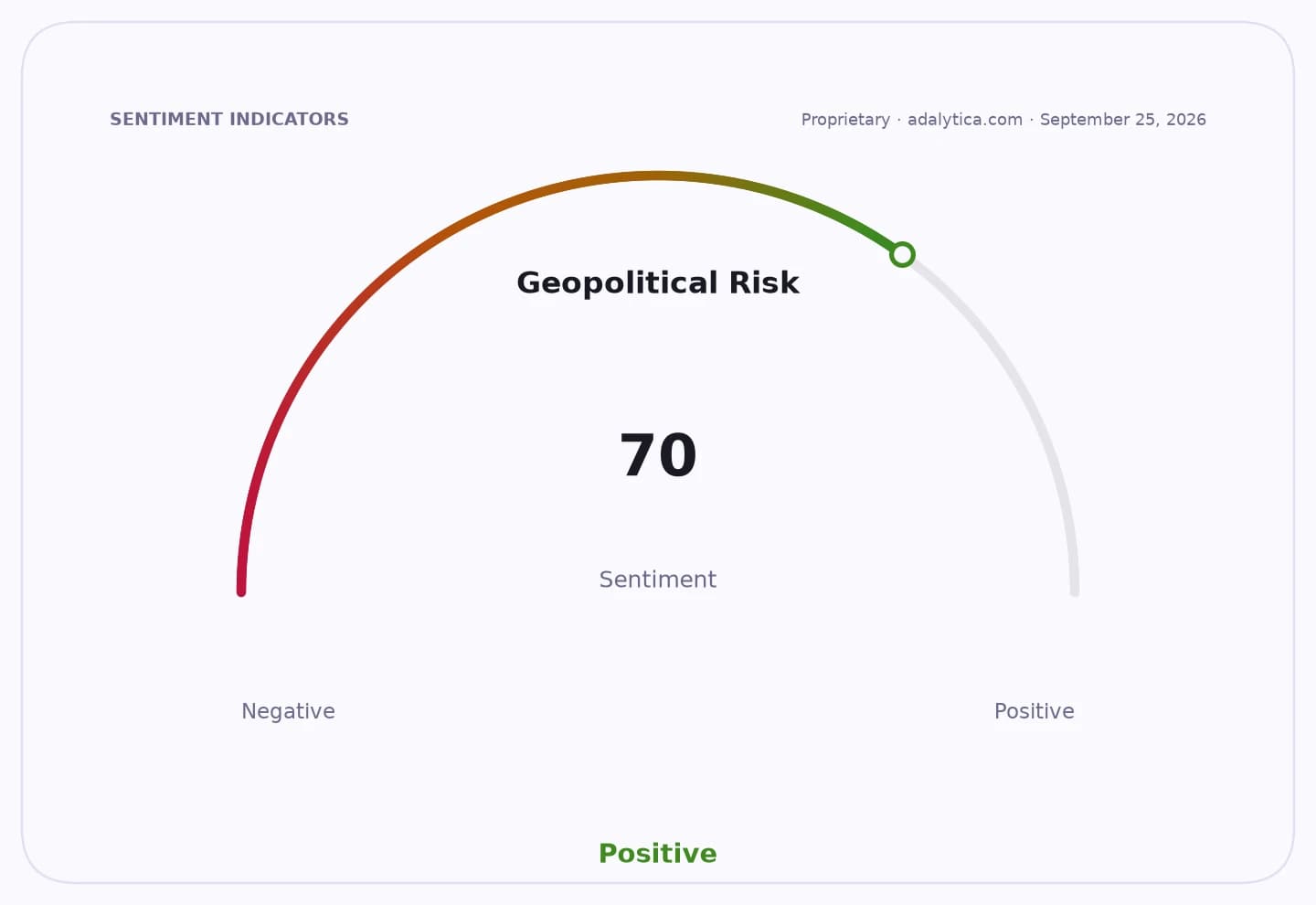
Sentiment IndicatorsⓘProprietary · adalytica.com · August 8, 2026
This is a snapshot — live sentiment, awareness and momentum for 130+ markets update continuously in the dashboard.Open AlphaPulse
Bitcoin’s recent price action shows a market still healing from a sharp drawdown. The largest cryptocurrency has climbed back above its 50-day moving average, with momentum indicators improving after a deeply oversold stretch earlier in the year. Bitcoin closed at $65,069.49 on Aug. 8, up modestly on the day, while its 14-day RSI sat at 54.4, a sign the market has moved out of extreme weakness and into a more balanced zone. Ethereum also edged higher to $1,921.77, with RSI at 56.0.
Even so, both coins remain well below their earlier peaks, which is exactly the kind of setup that tends to feed speculative rotation. Bitcoin is still trading below its 200-day moving average, a reminder that the long-term trend has not fully recovered. Ethereum is in a similar position. When the market’s biggest assets are stabilizing but not roaring, investors often start searching for more explosive ways to express bullish crypto views.
That is where names like Pepeto enter the conversation. The appeal is straightforward: smaller projects can offer much bigger gains if liquidity builds and retail interest accelerates. But the same dynamic cuts the other way. In crypto, the path to “bigger returns” usually comes with thinner trading depth, higher volatility and far greater execution risk than the major coins.
The broader market backdrop also helps explain the renewed appetite for risk. U.S. equity sentiment remains in extreme greed territory, according to Adalytica.com’s S&P 500 trade signals, while the U.S. dollar is flashing extreme-greed readings as well. That mix tells you investors are still willing to reach for risk assets, even if they are being selective about where they put money to work. Crypto, especially the smaller names, tends to benefit when that mood spills over.
For long-term investors, the lesson is not to confuse momentum with durability. Bitcoin and Ethereum still matter because they are the liquid, institutional-grade assets most likely to benefit from broader adoption, ETF flows and continued integration into mainstream finance. Pepeto and similar tokens, by contrast, are the kind of positions that can add upside only if investors treat them as speculative satellites rather than core holdings.
If you want to build wealth in crypto over three to 10 years, the winning formula is usually boring: own the strongest networks, diversify carefully, and never let the promise of a moonshot crowd out risk management. Pepeto may be attracting attention now, but the real investing question is whether it can turn that attention into lasting demand. Until that is proven, it belongs on a watchlist, not at the center of a portfolio.
| Entity | Gains | Losses |
|---|---|---|
| Pepeto | ▲Speculative inflows | ▼Skeptical capital |
| Bitcoin | ▲Stabilizing sentiment | ▼Noisy altcoin rotation |
| Ethereum | ▲Broad crypto risk appetite | ▼Capital chasing higher beta |
| Long-term investors | ▲Core asset discipline | ▼FOMO-driven positioning |