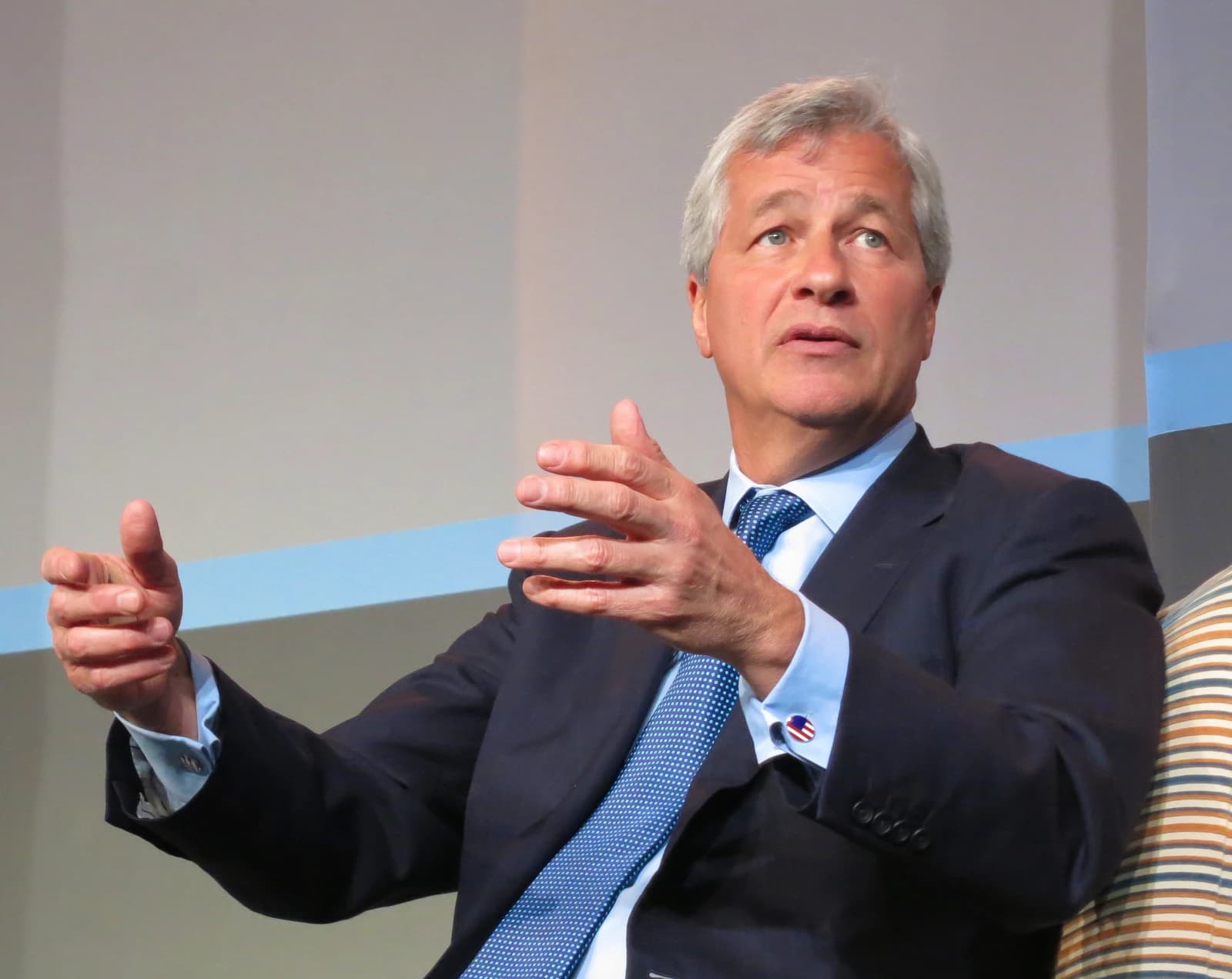
Bitcoin’s recent slide below $64,000 is a reminder that the biggest long-term opportunity in crypto still comes wrapped in short-term volatility, and Michael Saylor is leaning into that reality by framing bitcoin ownership as a process of constant learning rather than a one-time bet.
Bitcoin Below $64,000 as Saylor Stays Bullish
That matters because bitcoin is now trading at about $63,358, roughly flat with its 50-day moving average near $63,385 but still well below the 200-day average around $69,628. In plain English, the asset has stopped collapsing, but it has not yet reclaimed the kind of trend that typically convinces institutions the worst is over. The Relative Strength Index, or RSI, at 39.3 suggests the market is neither washed out nor overbought, while the MACD remains slightly negative, signaling that momentum is still fragile.
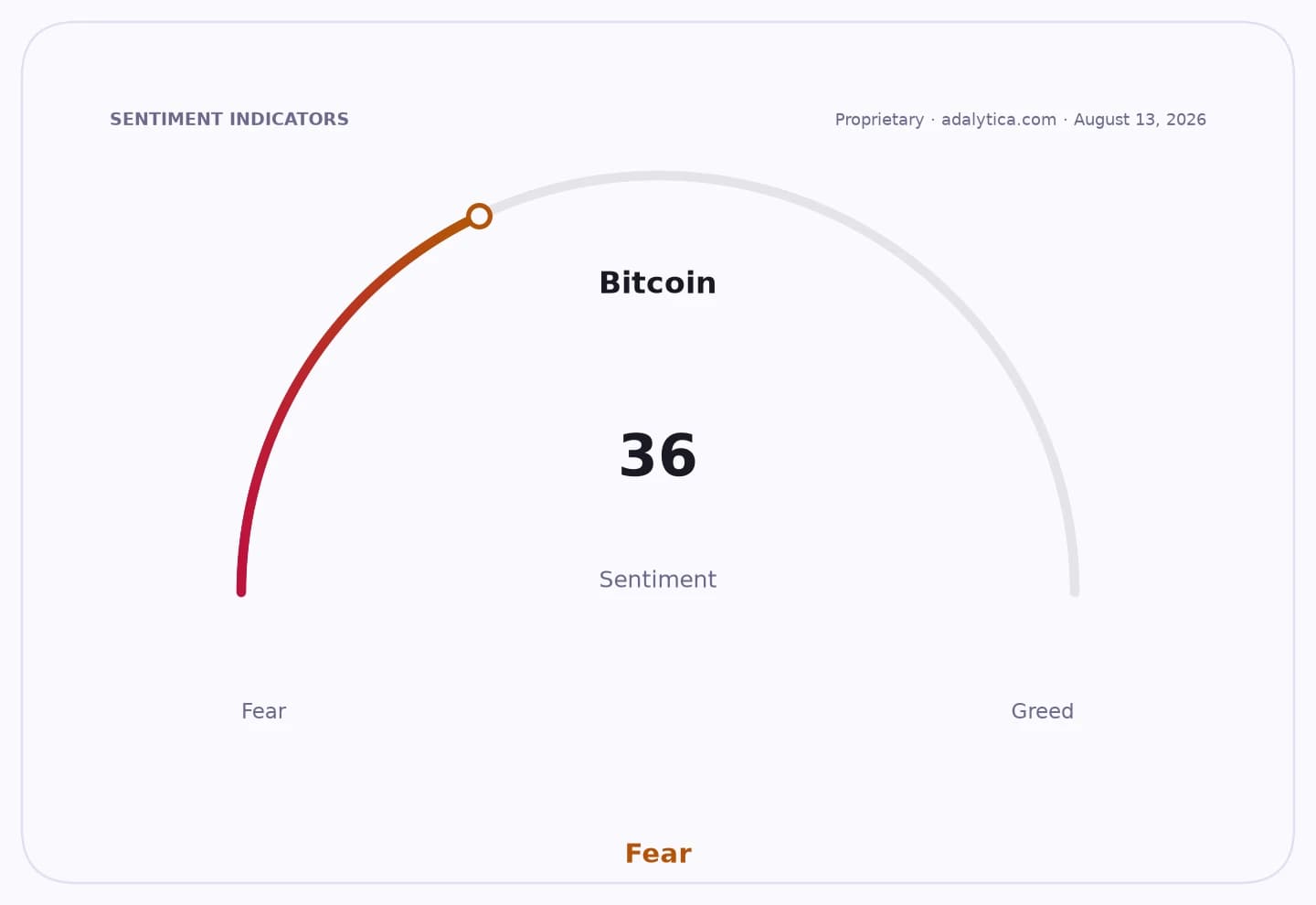
Sentiment IndicatorsⓘProprietary · adalytica.com · August 13, 2026
This is a snapshot — live sentiment, awareness and momentum for 130+ markets update continuously in the dashboard.Open AlphaPulse
For investors, this is where the story gets interesting. Bitcoin is no longer just a speculative trade; it is a balance-sheet asset, a treasury reserve candidate, and a proxy for the broader digital-asset economy. That is why moves in the coin quickly spill over into MicroStrategy, Coinbase and the ETF complex. MicroStrategy shares, at about $98, have bounced from much deeper lows but still trade far below their longer-term averages, reflecting how tightly the stock remains tied to bitcoin’s price action. Coinbase, meanwhile, is still feeling the pressure from a softer trading environment, with the stock around $153.55, also below its 200-day average.
The economic significance is bigger than one day’s price tape. A bitcoin market hovering near its short-term average but below its long-term trend suggests capital is waiting for a stronger macro tailwind, perhaps from easier policy, a softer dollar or renewed institutional inflows. Adalytica’s Bitcoin Fear & Greed Index currently shows sentiment in neutral territory at 36, even as awareness sits at an extreme 92. That split captures the moment well: everybody is watching bitcoin, but not everyone is comfortable buying aggressively yet.
Bitcoin — 30-day sentimentadalytica.com
Explore this data interactively — full history, time series and cross-market comparisons.Open AlphaPulse
Saylor’s “endless learning” message fits that setup. Long-term bitcoin investors do not win by predicting every swing. They win by understanding the asset’s role in portfolios, its supply discipline and its sensitivity to liquidity. That is especially true after a period of ETF outflows and a reminder that institutions can turn cautious fast when volatility rises. If bitcoin can hold this area and push back above its 50-day and 200-day averages, the case for a renewed leg higher strengthens. If it cannot, investors may have to wait longer for the next durable trend.
For now, bitcoin remains a compelling long-term asset for patient investors, but one that still demands a stomach for turbulence. That makes Saylor’s message worth hearing: in crypto, the learning never really stops, and neither does the opportunity for those willing to think in years, not days.
| Entity | Gains | Losses |
|---|---|---|
| Long-term Bitcoin holders | ▲Accumulation opportunity | ▼Near-term volatility |
| MicroStrategy shareholders | ▲Leverage to eventual BTC rebound | ▼Sharp drawdowns tied to BTC |
| Coinbase traders | ▲More attention to crypto markets | ▼Softer trading volumes |
| ETF buyers and institutions | ▲Easier access to BTC exposure | ▼Paper losses in a weak tape |