Bitcoin climbed after the U.S. Treasury doubled the size of its bond buybacks, a move that cooled long-dated yields, pressured the dollar and revived the case for scarce assets as investors look for protection against fiscal strain and sticky inflation.
Bitcoin Rises as Treasury Buybacks Lift Risk Assets

The Treasury’s heavier intervention in the bond market matters because it goes beyond a technical bid for liquidity. By increasing buybacks, Washington is signaling that it wants to steady the long end of the curve as deficits, refinancing needs and inflation worries keep pressure on borrowing costs. For Bitcoin, that is the kind of macro backdrop that has historically drawn fresh capital: lower real-rate pressure, a softer dollar and more concern that paper assets are being diluted by policy responses to debt stress.
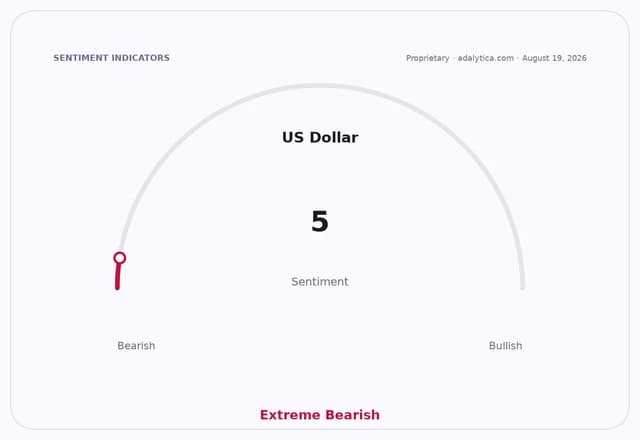
Sentiment IndicatorsⓘProprietary · adalytica.com · August 19, 2026
This is a snapshot — live sentiment, awareness and momentum for 130+ markets update continuously in the dashboard.Open AlphaPulse

The market reaction was swift. Bitcoin jumped to $68,264 on Aug. 19 from $64,506 a day earlier, while MicroStrategy climbed to $103.49 and Coinbase rose to $159.06 after earlier weakness. The move came as the 10-year Treasury yield held around 4.72%, well above levels that typically support risk assets, but still showed the sensitivity of rates to Treasury action. At the same time, Adalytica’s U.S. Dollar Trade Signals showed extreme fear in the greenback, while its measure of confidence in the Fed’s 2% inflation target sat in extreme greed territory, underscoring how fragile confidence remains in traditional macro anchors.
That combination is exactly why Bitcoin is reasserting itself as a macro trade, not just a speculative one. When investors worry that the Treasury must keep leaning on balance-sheet tools to manage funding conditions, Bitcoin becomes more attractive as a liquid alternative to fiat exposure. It is not a direct hedge against a single data point like CPI, but it is increasingly treated as a hedge against the broader regime of debt monetization risk, especially when bond-market support coincides with fears that inflation could remain stubbornly above target.
The real investable angle is second-order. If Treasury buybacks help cap yield spikes, the winners are not only Bitcoin holders but also the infrastructure around digital-asset liquidity and custody. Coinbase benefits from higher trading activity and a more favorable risk backdrop, while Bitcoin treasury strategies such as MicroStrategy gain leverage to every turn in the price. Miners and brokerage platforms also stand to benefit if the macro trade broadens beyond a one-day squeeze into a sustained bid for hard assets.
The bigger picture is that Wall Street is still underestimating how closely Bitcoin now trades with the market’s view of fiscal credibility and inflation control. The Treasury can buy time with buybacks, but it cannot erase the structural issue of heavy issuance, high interest expense and persistent demand for yield. If yields ease further and the dollar keeps slipping, the next leg higher in Bitcoin could be powered by institutions deciding that scarce digital assets are becoming a more credible macro hedge than they were at the start of the cycle.
For investors, the message is straightforward: the Treasury’s bond buybacks are not just a bond-market story, they are a liquidity and inflation story that strengthens the Bitcoin thesis. In this environment, I believe the best way to play the theme is through the picks-and-shovels and balance-sheet beneficiaries first, with Bitcoin itself remaining the purest asymmetric expression of weakening confidence in fiat stability.
| Entity | Gains | Losses |
|---|---|---|
| Bitcoin | ▲Macro hedge demand | ▼Fiat confidence |
| Coinbase | ▲Trading volumes | ▼Risk-off sentiment |
| MicroStrategy | ▲BTC leverage | ▼Higher real yields |
| U.S. Treasury bonds | ▲Short-term stability | ▼Yield volatility |




