BJ’s Restaurants is benefiting from a broader rebound in urban dining, with comparable sales rising on stronger guest traffic as consumers keep spending on premium casual meals despite a still-fragile economy.
BJ’s Restaurants Sales Rose 4.5% on Higher Traffic
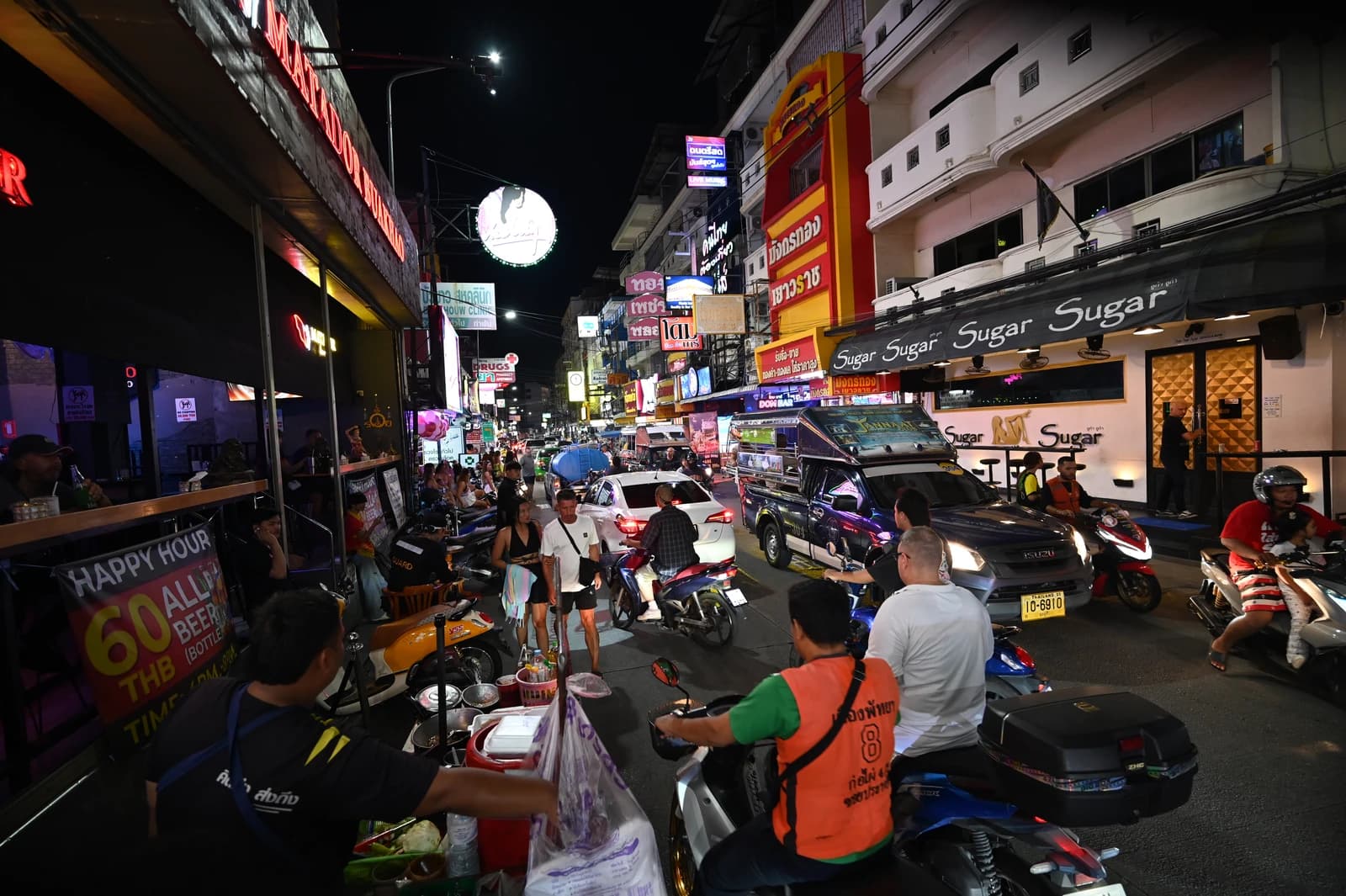
That matters because the company’s latest filing shows the growth is not just price-led: revenue for the period rose 4.5%, or $31.5 million, from comparable restaurant sales and another $1.3 million from new restaurants, with management pointing directly to higher traffic. For a full-service chain exposed to discretionary spending, that suggests diners are still willing to trade up for experiences, especially in dense urban markets where premium casual dining tends to capture both weekday and weekend demand.
The backdrop is uneven but supportive. UK services data turned back to growth in July, while US industrial activity showed its strongest expansion since 2022, underscoring that parts of the global economy are stabilising even as growth remains patchy. For restaurant operators, that kind of mixed macro picture usually favours concepts with a clear value proposition and enough pricing power to defend margins without alienating customers.
BJ’s share price has already reflected that optimism. The stock has surged from $29.54 on Oct. 10 to $68.51 on Aug. 10, after touching as high as $74.26 on July 30. The move leaves the shares well above the 50-day moving average of $59.05 and the 200-day average of $43.95, though the recent pullback and an RSI reading around 51 suggest momentum has cooled from earlier overbought levels. The message for investors is that the market has re-rated the chain on a stronger traffic narrative, but it is now waiting for proof that demand can hold up beyond the rebound phase.
The bullish case is that premium casual dining is proving resilient in urban centres, where consumers are still willing to pay for occasion-driven meals, beer, and larger-format experiences. BJ’s broad menu and brewery model can help it capture higher checks and repeat visits. The bear case is that the recovery may be more cyclical than structural: if consumer spending softens, traffic gains could fade, leaving the company more dependent on pricing and promotions.
For investors, the key watch item is whether guest traffic keeps improving faster than inflation and labour costs. If it does, BJ’s can continue to justify its sharp rerating; if not, the stock’s recent run leaves less room for disappointment.
| Entity | Gains | Losses |
|---|---|---|
| BJ’s Restaurants | ▲Higher guest traffic | ▼Valuation if sales cool |
| Urban diners | ▲More premium dining options | ▼Budget-sensitive households |
| Long investors | ▲Traffic-led growth story | ▼Elevated multiple risk |
| Competitors | ▲Category demand spillover | ▼Share if BJ’s captures premium visits |