Chicago wheat futures are at a two-year high as disruption to Black Sea shipments tightens global supply, spotlighting a billionaire banker-trader who has amassed control of roughly a quarter of the world’s wheat exports. That concentration matters because it gives one commercial player unusual influence over a market already strained by Russian strikes on Ukraine’s grain infrastructure and a sudden loss of export capacity.
Black Sea disruption boosts wheat and grain traders

The move is feeding directly into food inflation risks and raising costs for millers, bakers and import-dependent governments. Wheat is not just another agricultural contract: it is a benchmark for global staple prices, and a smaller flow of grain out of the Black Sea can ripple through bread prices, feed costs and subsidy bills across emerging markets and parts of Europe.
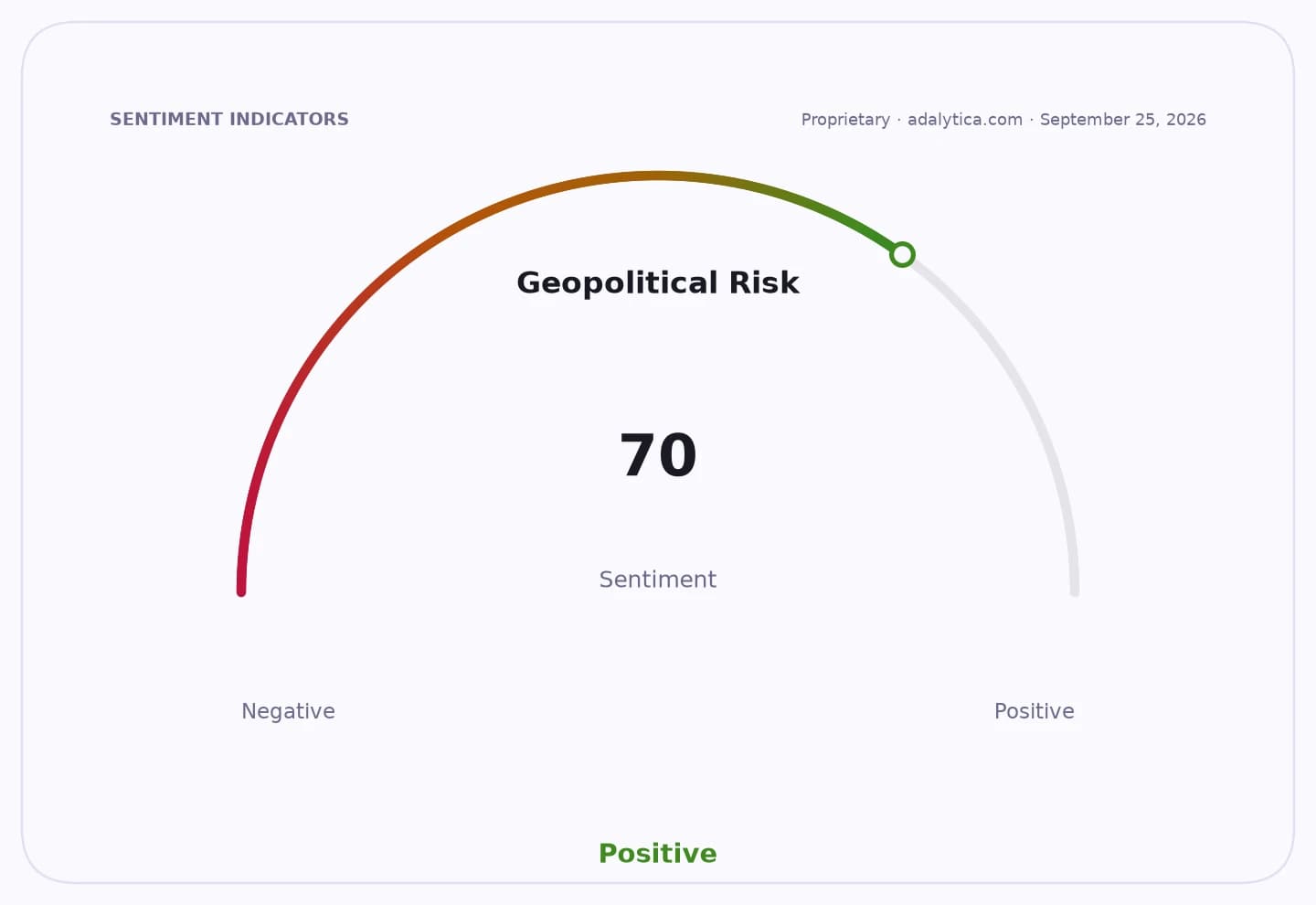
Sentiment IndicatorsⓘProprietary · adalytica.com · July 19, 2026
This is a snapshot — live sentiment, awareness and momentum for 130+ markets update continuously in the dashboard.Open AlphaPulse

Wheat futures on the Chicago Board of Trade have risen for a third straight week, even after weaker U.S. export data capped some of the upside. The latest jump has also pulled corn and soybeans higher as traders reprice the prospect of tighter grain availability and more volatile export schedules.
The supply shock is centered on Ukraine, where Russian strikes have cut about a third of export capacity, according to market reports, while July wheat export forecasts have been lowered by 20%. That leaves buyers chasing fewer available cargoes and gives large trading houses and integrated merchants more leverage over where grain moves and at what price.
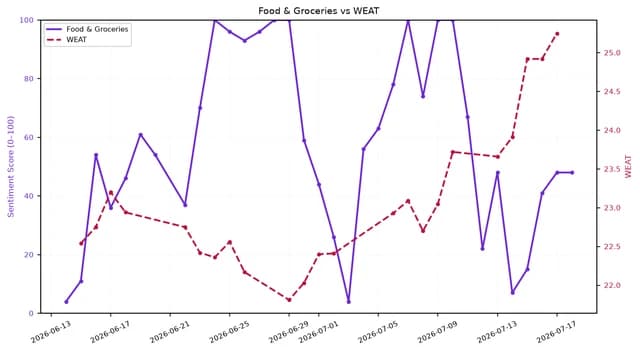
For investors, the story cuts both ways. Grain merchants and agribusiness firms with storage, origination and shipping capacity can benefit from wider margins and more trading volume, while food producers, livestock feeders and importers face margin pressure if elevated wheat prices persist. The rally also reinforces inflation concerns just as markets are watching whether commodities can keep feeding into consumer prices.
The key question now is whether the Black Sea disruption deepens enough to sustain the bid in wheat, or whether better harvests and steady flows from other exporters blunt the rally. Traders will be watching for further damage in Ukraine, fresh export data from the U.S. and any signs that the supply squeeze is broadening beyond wheat into other grains.
| Entity | Gains | Losses |
|---|---|---|
| Grain traders and merchants | ▲Wider trading margins | ▼Execution risk |
| Wheat exporters with capacity | ▲Higher pricing power | ▼Shipments disrupted |
| Food producers and bakers | ▲— | ▼Higher input costs |
| Import-dependent governments | ▲— | ▼Bigger subsidy and inflation bills |