The United Nations’ warning that the maritime war between Russia and Ukraine is escalating matters because it threatens one of the world’s most important food corridors at a time when wheat prices are already surging and importing nations are under strain.
Black Sea Risks Lift Wheat and Food Inflation
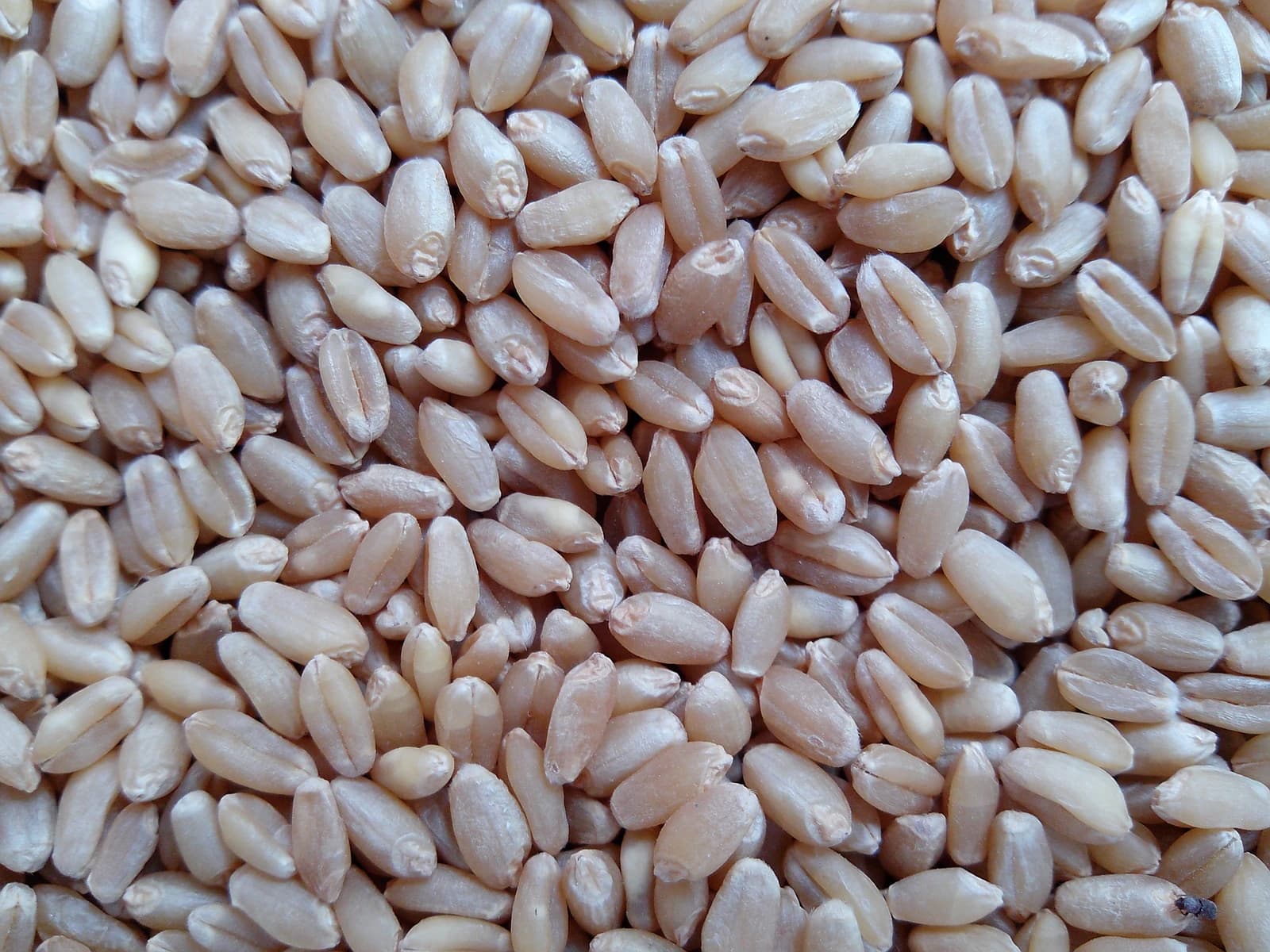
Wheat futures have climbed sharply on fears that shipping risks in the Black Sea could curtail exports from two of the world’s biggest grain suppliers and push up the cost of food in economies that rely on imported wheat. The move is not just a weather vane for agricultural markets: it feeds directly into inflation, trade balances and political stability in countries where bread is a staple and food spending takes up a large share of household budgets.
Sentiment IndicatorsⓘProprietary · adalytica.com · July 27, 2026
This is a snapshot — live sentiment, awareness and momentum for 130+ markets update continuously in the dashboard.Open AlphaPulse
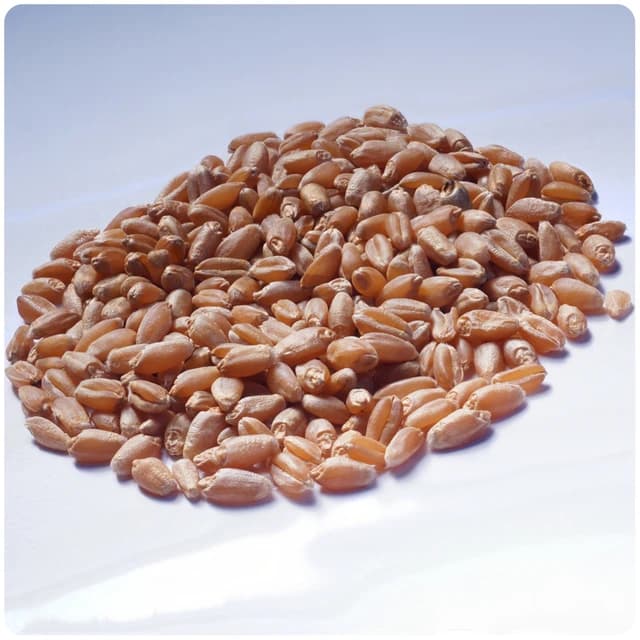
That is why the latest spike matters beyond the grain pit. A 20% rise in wheat prices quickly becomes a broader macro story when governments are forced to subsidize bread, expand imports or draw down reserves. For central banks, higher food costs can slow the easing of inflation even if core prices are cooling. For emerging markets, it can worsen current-account pressure and complicate fiscal policy.
The market reaction in wheat has been reinforced by the latest price action in the Teucrium Wheat Fund, which tracks grain prices and has broken above its 50-day and 200-day moving averages in recent sessions. The fund closed at $24.52 on July 27, up from $22.70 on July 8, while RSI readings held above neutral and remained elevated, suggesting the rally has momentum even after a brief pullback. Corn has also firmed, but wheat is the more direct barometer of Black Sea disruption.
Food & Groceries vs WEATadalytica.com
Explore this data interactively — full history, time series and cross-market comparisons.Open AlphaPulse
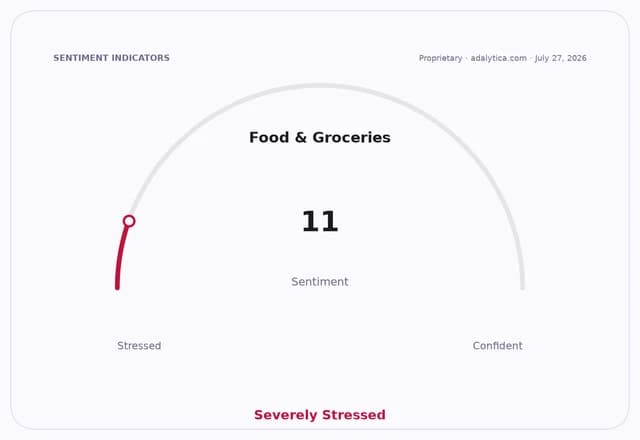
The geopolitical backdrop is familiar but no less dangerous. Russia and Ukraine account for a large share of global wheat trade, and any deterioration in shipping security, port access or insurance costs can ripple quickly through world food markets. That makes the UN warning especially relevant for import-dependent countries in the Middle East, South Asia and parts of Africa, where governments already face pressure from weak currencies and higher living costs.
Pakistan illustrates the domestic consequences. Provinces are reporting shortages despite a sizeable harvest, officials are discussing imports, and allegations of hoarding have triggered suspensions in the food department. Even where local production is adequate on paper, tighter global supply conditions and policy failures can force governments into the international market at precisely the wrong moment.
Investors will be watching whether the wheat rally spreads into broader agricultural inflation and whether governments move to secure supply before prices climb further. A sustained escalation in the Black Sea would keep a floor under grains, support agribusiness revenues and fertilizer demand, but it would also increase the risk of food inflation, interventionist policy and more volatility across emerging markets.
| Entity | Gains | Losses |
|---|---|---|
| Wheat exporters | ▲Higher prices | ▼Shipping risk |
| Importing countries | ▲— | ▼Bigger food bills |
| Agribusiness funds | ▲Price momentum | ▼Reversal risk |
| Consumers | ▲— | ▼Higher staple costs |




