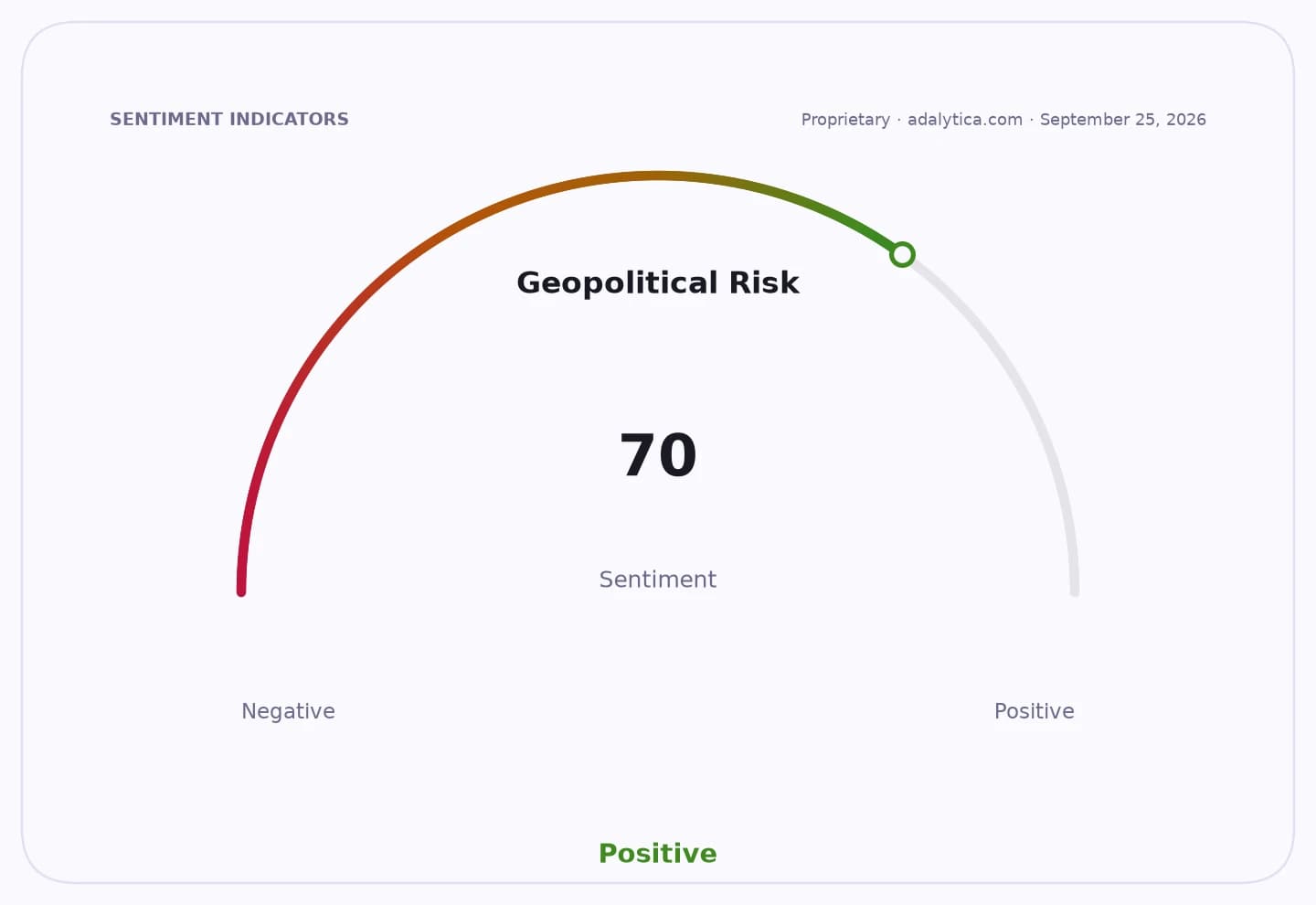
Wheat retreated after surging to its highest level since May 2024, but the bigger signal is that the market has already repriced a fresh Black Sea shock into global food costs.
Black Sea Shock Keeps Wheat and Food Costs Elevated
That matters because the rally was not driven by ordinary weather noise. Russian strikes on Ukrainian port infrastructure have reportedly knocked out about a third of grain export capacity, reviving the same supply-chain vulnerability that shocked markets in 2022. Even after the pullback, wheat remains pinned near elevated levels, with the front-end move showing how quickly geopolitics can tighten one of the world’s most important staple markets.
Sentiment IndicatorsⓘProprietary · adalytica.com · July 24, 2026
This is a snapshot — live sentiment, awareness and momentum for 130+ markets update continuously in the dashboard.Open AlphaPulse
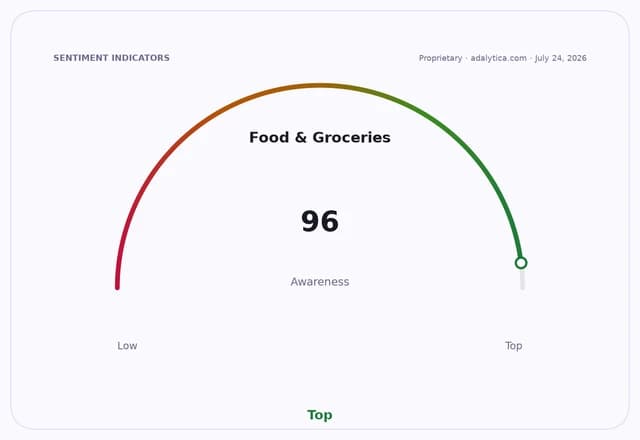
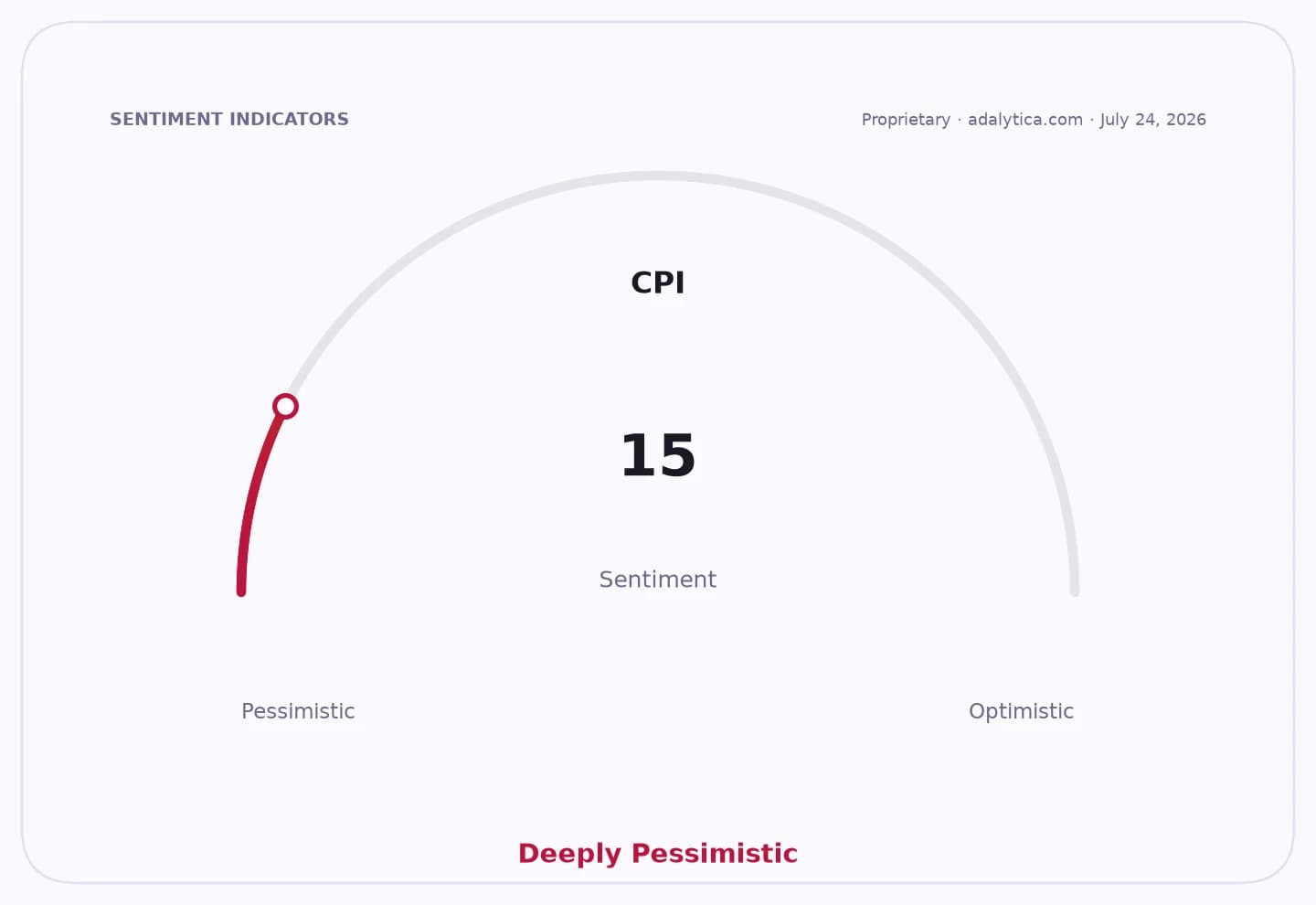
For consumers and policymakers, the risk is not just higher bread and feed costs. Grain disruptions feed directly into broader food inflation, and they arrive at a time when the U.S. CPI gauge is already flashing elevated prices. The latest CPI reading is far above pre-pandemic norms, and another sustained move in wheat would keep pressure on grocery bills, restaurant margins and livestock input costs. That is why grain volatility matters economically even when the daily price action looks choppy.
For investors, this is where positioning gets interesting. The market tends to focus on the headline crop rally and miss the second-order winners: agribusinesses with storage, merchandising and export infrastructure, as well as food makers with pricing power. Companies such as Archer-Daniels-Midland and Bunge sit closer to the toll road of global grain flows than to the battlefield itself. General Mills, which has already warned that raw-material and transportation costs can hit margins, is more exposed if wheat stays elevated long enough to squeeze downstream pricing power.

The technical picture reinforces the view that wheat is no longer a sleepy commodity. The nearby ETF proxy for wheat has ripped well above its 50-day and 200-day moving averages, while RSI readings have pushed into overbought territory, a sign that the market is responding to a genuine supply scare rather than a slow-moving fundamental drift. Corn has also firmed, but wheat is the cleaner geopolitical trade because the Black Sea remains the marginal export source the world cannot easily replace.
My thesis is simple: the market is underestimating how fragile global grain supply still is, and that makes agricultural infrastructure, fertilizer-linked names and food distributors an asymmetric way to play the next inflation pulse. If the Black Sea corridor stays under pressure, wheat can stay volatile and structurally higher than traders want to believe. That is the setup investors should be leaning into now, not after the next export disruption hits.
| Entity | Gains | Losses |
|---|---|---|
| Grain shippers/handlers | ▲Higher throughput revenues | ▼Port disruption risk |
| ADM and Bunge | ▲Wider merchandising opportunities | ▼Higher operating volatility |
| Food makers | ▲None if hedged well | ▼Margin pressure from input costs |
| Consumers/importers | ▲Short-term relief on pullbacks | ▼Higher food inflation risk |