America’s push to put stocks on blockchain rails is becoming the real story in market structure, and investors should treat it as more than another fintech experiment. The opportunity is not in the headline buzzword itself, but in what it exposes: a legacy settlement system that is slow, fragmented and increasingly vulnerable, while the next generation of trading infrastructure is starting to look cheaper, faster and more scalable.
Blockchain Rails Could Reshape Market Infrastructure

That matters economically because the plumbing of capital markets is a massive toll road. If equities can move to tokenized or blockchain-based settlement, the winner is not just the issuer or the trader — it is the infrastructure layer that captures recurring fees from clearing, custody, connectivity and compliance. The market is still underestimating how much value can migrate from old-market intermediaries to the firms that own the rails for digital issuance and settlement.
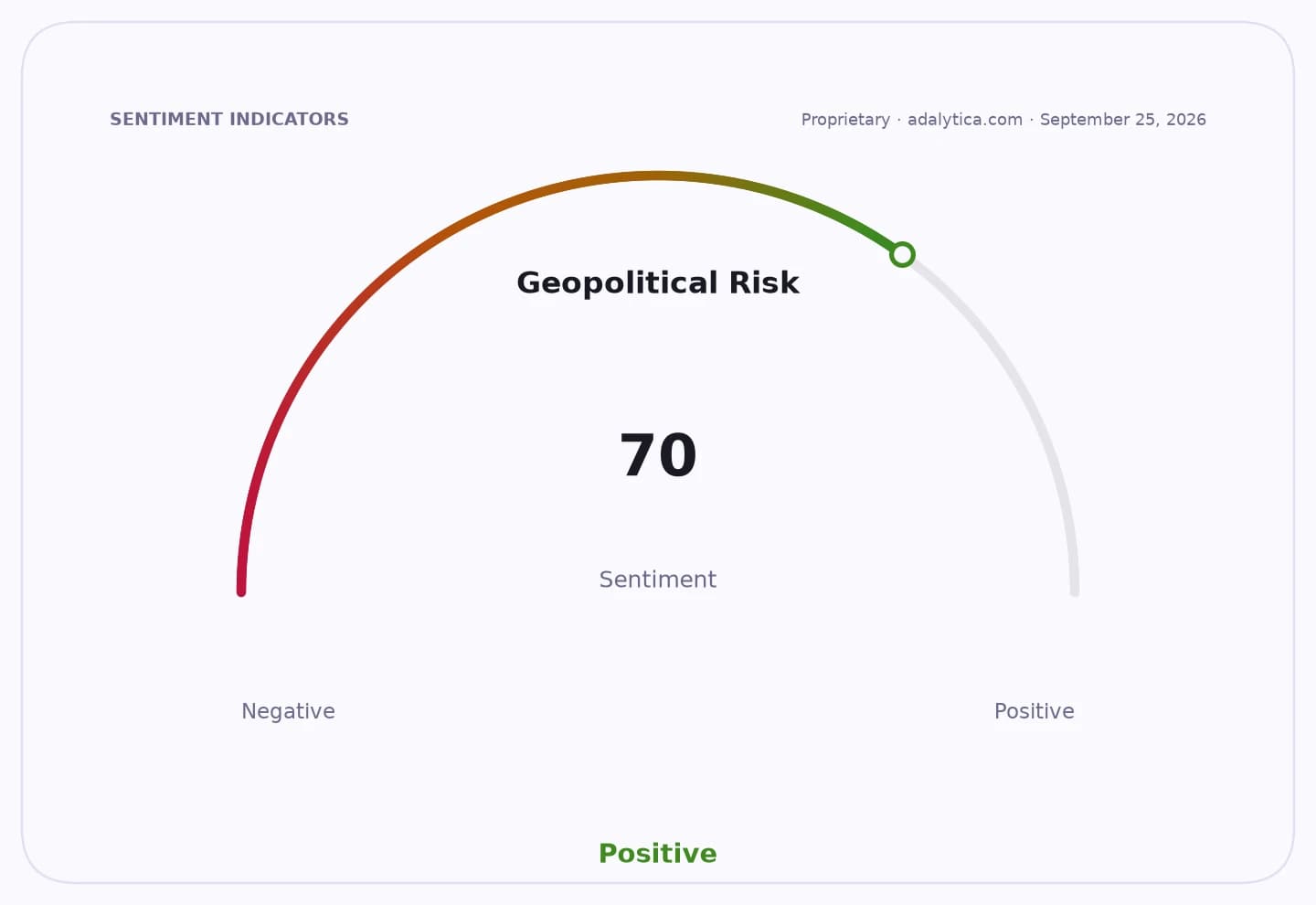
Sentiment IndicatorsⓘProprietary · adalytica.com · July 20, 2026
This is a snapshot — live sentiment, awareness and momentum for 130+ markets update continuously in the dashboard.Open AlphaPulse
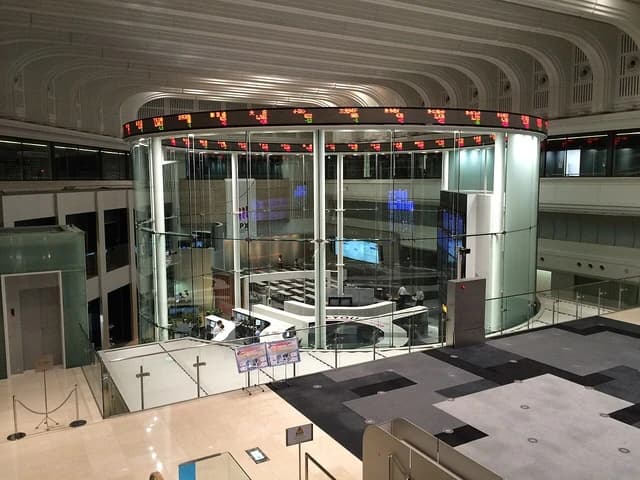
Japan’s late start is part of the same story. The country has long been a leader in disciplined market infrastructure, but in this transition it risks becoming a follower if U.S. venues, brokers and fintech platforms set the standards first. That creates a strategic edge for American financial infrastructure, especially if regulators keep allowing controlled pilots while the old system proves its age. In a capital markets world increasingly shaped by speed, transparency and round-the-clock access, being first can matter more than being perfect.
For investors, the key is to separate the speculative names from the pick-and-shovels. The biggest asymmetry is likely in the infrastructure enablers: exchanges, clearing networks, custody providers, digital asset compliance firms and settlement technology vendors. If blockchainization of stocks goes from concept to execution, those businesses benefit from higher transaction volume, new asset classes and a larger addressable market. That is why the real trade is not a meme-chasing sprint into tiny fintechs, but a multi-year positioning in the companies that control market access and post-trade processing.
The current tape shows how fragile sentiment remains. U.S. equities are trading with fear-heavy signals, while safe-haven flows are still elevated, a reminder that investors want structural winners, not narrative risk. For a microcap like Everything Blockchain, the stock’s recent bounce to 8 cents after a long slide and the fact it still trades below both its 50-day and 200-day moving averages underscore how speculative this theme remains. But the broader implication is bigger than one name: blockchainization of stocks is moving from fringe idea to strategic race, and the earliest beneficiaries will likely be the infrastructure firms that help modernize how securities are issued, settled and owned.
The market is missing the second-order effect. Tokenized equities could eventually lower settlement risk, compress back-office costs and open the door to more efficient cross-border trading. That is precisely why incumbents may resist, but it is also why adoption becomes inevitable once regulators and institutions decide the cost savings and operational gains outweigh the disruption. If U.S. markets set the pace and Japan lags, the capital allocation winners will be determined now, not later.
For investors willing to think three to five years ahead, this is an asymmetric infrastructure story, not a short-term trading story. The actionable takeaway is to favor the picks-and-shovels around blockchainized capital markets — especially exchanges, custody, settlement and compliant digital asset infrastructure — and treat the earliest speculative stock names as optionality, not core exposure.
| Entity | Gains | Losses |
|---|---|---|
| U.S. exchanges and clearing firms | ▲New settlement rails, fee growth | ▼Legacy back-office model |
| Digital custody and tokenization vendors | ▲Higher demand, recurring contracts | ▼Traditional intermediaries |
| Japan’s market operators | ▲Long-term modernization upside | ▼First-mover advantage |
| Old-school brokers and post-trade systems | ▲Little to none | ▼Disintermediation risk |