BMW plans to eliminate 8,000 administrative jobs worldwide by the end of 2027, a move that underscores how weakening demand in China and tight electric-vehicle margins are forcing Europe’s carmakers to protect profitability with deeper restructuring.
BMW to cut 8,000 admin jobs by 2027
The cuts matter because BMW is trying to defend earnings while the auto sector absorbs a slower Chinese market, heavy EV investment and rising competitive pressure. For investors, the message is that even premium manufacturers with strong brands are being pushed into cost cutting to preserve cash flow and margins, rather than relying on volume growth.
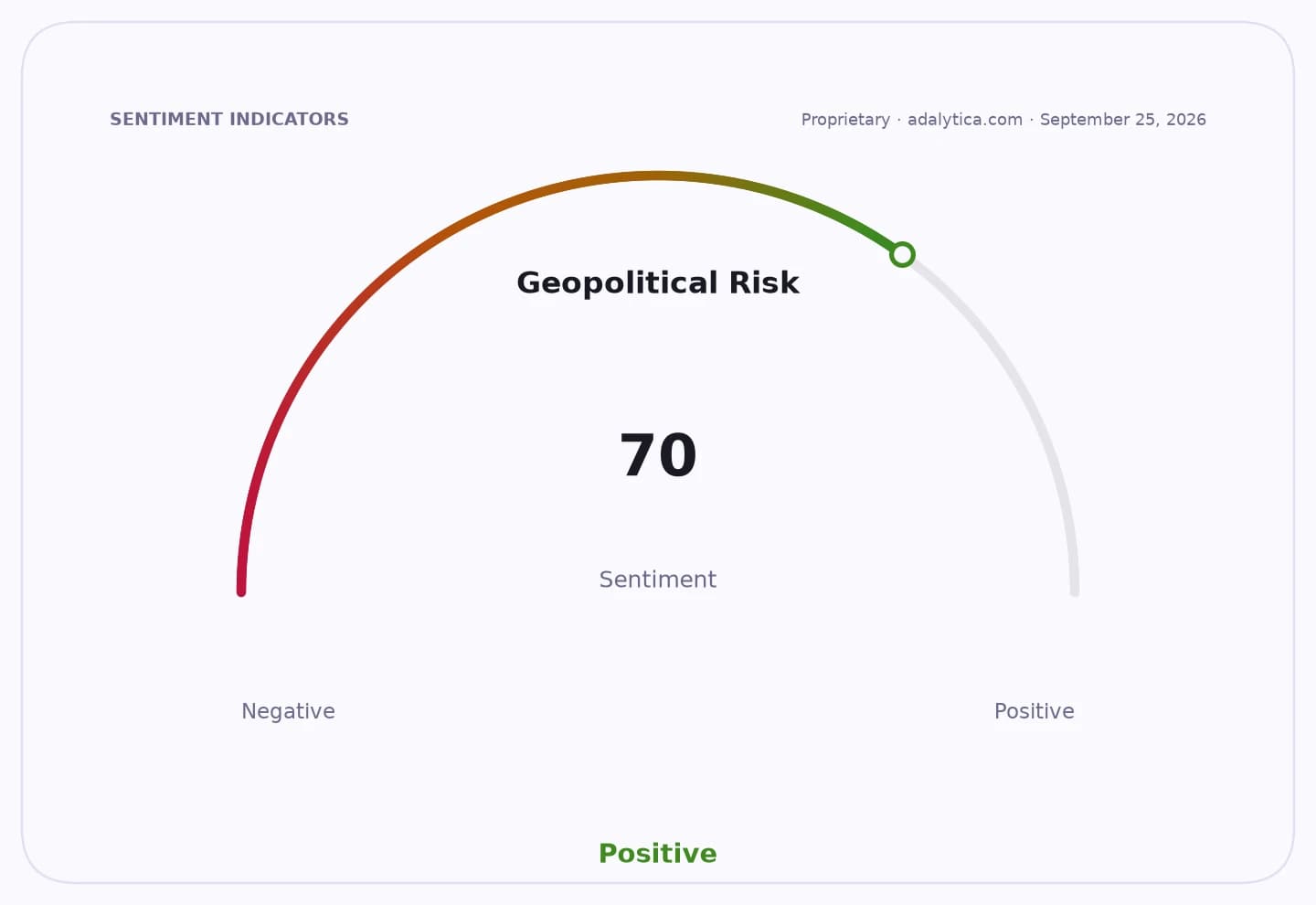
Sentiment IndicatorsⓘProprietary · adalytica.com · July 30, 2026
This is a snapshot — live sentiment, awareness and momentum for 130+ markets update continuously in the dashboard.Open AlphaPulse
BMW’s decision follows a reported 30% drop in deliveries to China, one of the company’s most important markets, and adds to a growing wave of job reductions across German industry. Mercedes and Volkswagen have also moved to trim costs as Europe’s largest auto group faces weaker pricing power and the high expense of shifting production toward electric models.
The company is expected to fund the restructuring with a multi-million-euro severance program, highlighting near-term cash costs even as it seeks longer-term savings. That tradeoff is familiar across the sector: up-front charges now in exchange for leaner overhead and better profitability later.
BMW’s U.S.-listed shares have been under pressure, with BMWKY down sharply from earlier highs and recent technical readings showing the stock below its 50-day and 200-day moving averages. VW and Mercedes have also come off recent strength, reflecting investor concern that the industry’s cost reset may take longer than hoped.
The broader readthrough is clear: Germany’s auto champions are entering a prolonged efficiency drive just as China cools and the EV transition remains margin dilutive. Investors will be watching for more detail on where BMW cuts land, how much annual savings it expects, and whether the restructuring is enough to offset weaker sales trends into 2027.
| Entity | Gains | Losses |
|---|---|---|
| BMW | ▲Lower overhead, better margins | ▼Severance costs, workforce reduction |
| BMW shareholders | ▲Potential earnings support | ▼Near-term restructuring drag |
| German auto workers | ▲ | ▼Job losses, lower hiring |
| Mercedes & Volkswagen | ▲Cost-cutting peer precedent | ▼Sector pressure intensifies |