German technology companies are pouring billions into overseas projects as they try to secure growth, cut costs and win contracts in markets where domestic expansion is harder to justify.
BMW Debrecen plant ramps up EV production
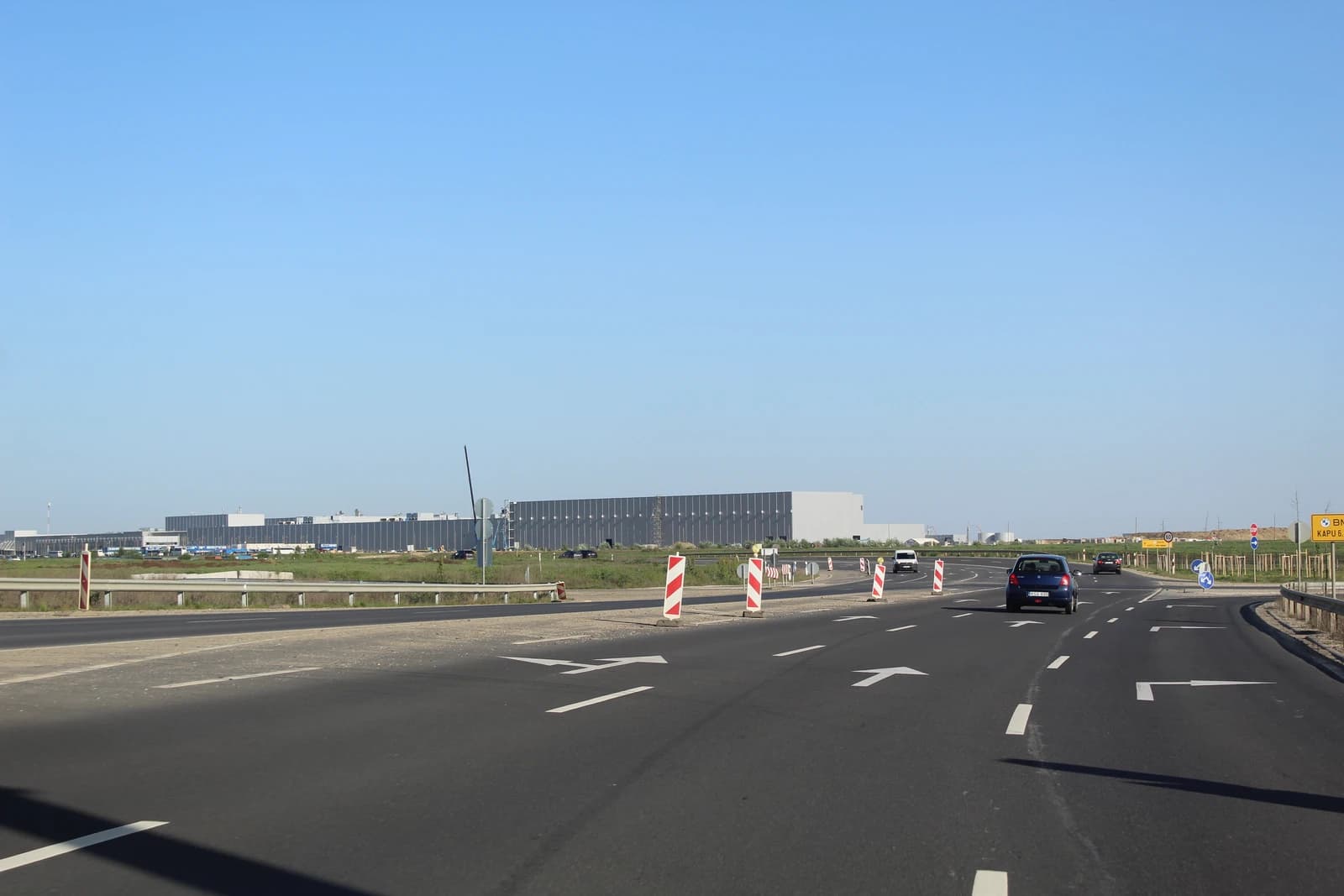
The clearest example is BMW’s more than 2 billion-euro greenfield plant in Debrecen, Hungary, a factory the carmaker says is already producing vehicles at a pace it had never achieved at a new site before. The shift matters because it shows how German industrial groups are increasingly building their next production hubs outside Germany to stay competitive on cost, labor and speed.
Sentiment Indicators
BMW opened the plant in September 2025 and says it has created more than 5,000 jobs. The site uses cameras, sensors, artificial intelligence and about 1,000 industrial robots to monitor production, while its on-site battery park makes high-voltage batteries for latest-generation electric vehicles.
By the end of July 2026, the 50,000th fully electric BMW iX3 had rolled off the line, underlining how quickly the factory has ramped up. BMW says normal operations at Debrecen run on renewable electricity only and emit about 34 kilogrammes of CO2 equivalents per vehicle including the battery, roughly 90% less than traditional production.
For investors, the plant highlights both the opportunity and the strain in BMW’s electric transition. Overseas manufacturing can help lower costs and improve efficiency, but it also exposes the company to labor bottlenecks: BMW says a shortage of skilled workers in Hungary is slowing further expansion, forcing German staff to travel regularly to train local employees.
Herrenknecht, the Baden-Württemberg tunnel-boring specialist, shows the same outward push from a different angle. The company’s machines are now working on the River Torrens to Darlington, or T2D, project in Adelaide, Australia, one of the largest infrastructure jobs in the region.
The project uses three tunnel boring machines, each about 100 metres long, 15 metres in diameter and weighing roughly 3,500 tonnes. If conditions remain favourable, they can advance eight to 10 metres a day. The roughly 9.35 billion-euro project is due to finish in 2031 and is meant to complete a 78-kilometre north-south corridor while freeing surface space for urban development.
The broader narrative is that German industrial champions are no longer relying only on exports from home; they are exporting manufacturing know-how itself. That can support order books, margins and global relevance, but it also makes them more exposed to labor shortages, execution risk and the politics of investing abroad.
| Entity | Gains | Losses |
|---|---|---|
| BMW | ▲Faster EV production, lower emissions | ▼Exposure to skilled-labor shortages |
| Herrenknecht | ▲Long-duration global infrastructure orders | ▼Project execution and delivery risk |
| Hungary / Debrecen | ▲Jobs and industrial investment | ▼Pressure on local labor supply |
| Australia / Adelaide | ▲Transport capacity and urban development | ▼Disruption during construction |