BMW is moving to launch the electric convertible fans have been waiting for, a niche but symbolic step that gives the German automaker a fresh product angle just as the premium EV market gets more crowded and more price-sensitive.
BMW’s electric convertible could boost premium EV appeal
The bigger significance is that BMW is trying to translate its electric lineup into an emotional, high-margin body style at a time when automakers are under pressure to defend pricing power. A battery-powered drop-top would not be a volume car, but it could help BMW strengthen brand heat in a segment where buyers pay for design, scarcity and exclusivity as much as range or performance.
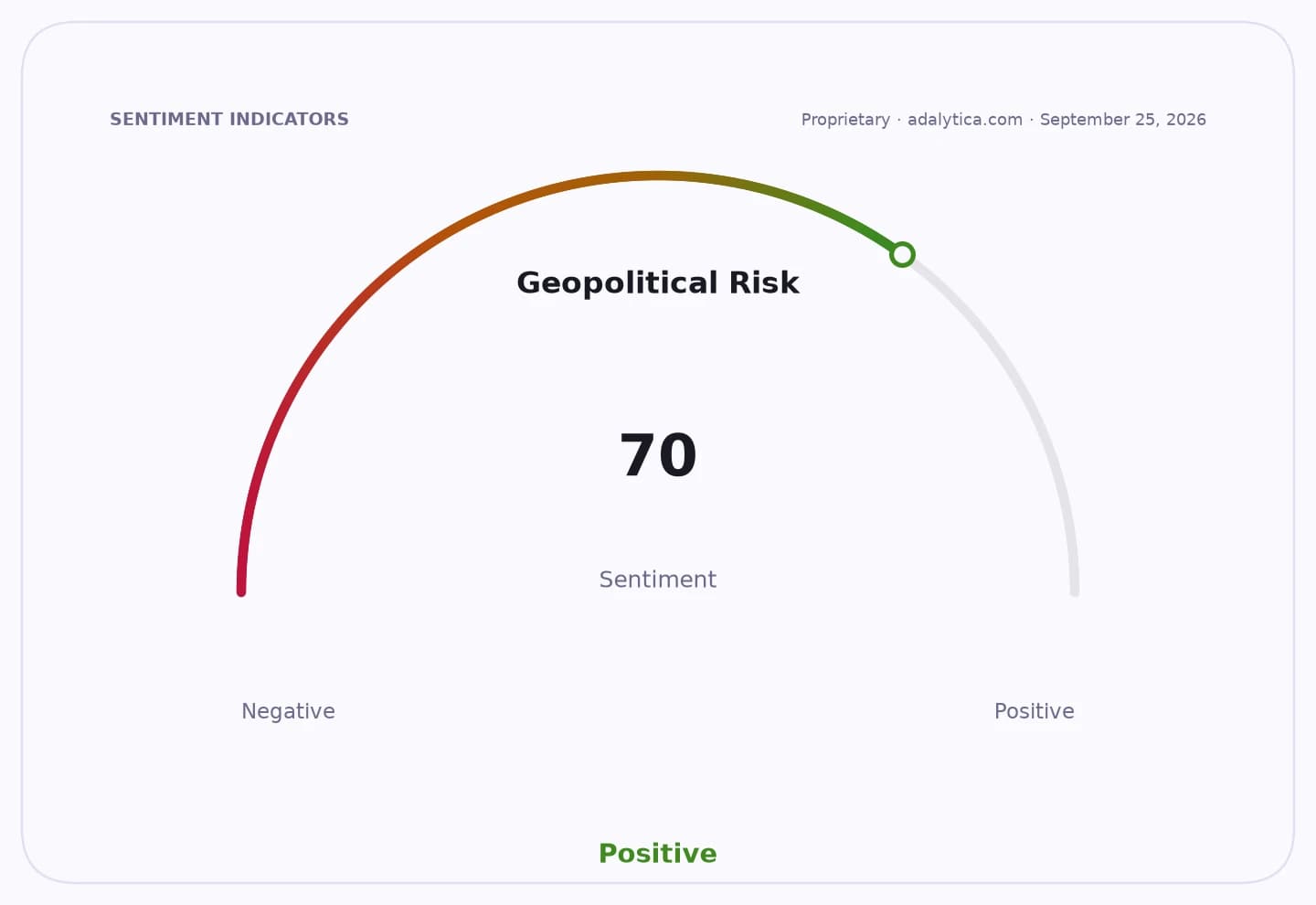
Sentiment IndicatorsⓘProprietary · adalytica.com · July 28, 2026
This is a snapshot — live sentiment, awareness and momentum for 130+ markets update continuously in the dashboard.Open AlphaPulse
That matters for investors because premium EVs are being judged less on promises and more on execution, margins and demand durability. BMW has already been showing relative resilience in the market, with BMWKY trading at $21.80 on July 27 after a volatile stretch that took it from $35.49 in early January to a low near $21.57 last week; the stock’s RSI has rebounded to 31.2 from 9.4 in March, while the MACD remains below zero, suggesting the share price is still repairing damage rather than breaking into a new uptrend.
The move also lands against a backdrop of stress in global auto logistics. Chinese automakers are increasingly shipping vehicles in containers and converted bulk carriers because of a shortage of specialized car-carrier ships, a reminder that supply-chain bottlenecks are still shaping how cars get to market and what they cost to move. For luxury brands like BMW, any disruption in transport can hit delivery timing, inventory management and dealer allocations, particularly for lower-volume halo models that depend on tight launch sequencing.
BMW’s timing also reflects a wider sector push to keep EV interest alive after an uneven run for electric-vehicle stocks. Tesla shares have been hammered to $309.22 from $419.77 on July 6, with RSI readings sinking to 17.2 and the stock trading far below both the 50-day and 200-day moving averages, while Mercedes-Benz and BMW have avoided that kind of collapse but still face the same question: whether EV demand can support premium pricing without a sharper rise in discounts.
For BMW, an electric convertible offers a clear narrative advantage if it can deliver without sacrificing range, weight or profitability. The next market test will be whether the company can turn the concept into a production-ready model that supports margins and adds to its EV portfolio rather than just generating headlines.
| Entity | Gains | Losses |
|---|---|---|
| BMW | ▲Brand excitement; premium EV halo | ▼Development and launch costs |
| Luxury EV buyers | ▲More choice; niche EV option | ▼Higher prices; limited availability |
| Rivals like Mercedes and Tesla | ▲— | ▼Mindshare and exclusivity |
| Shipping/logistics providers | ▲Demand for alternative transport | ▼Pressure on specialized car carriers |