BMW’s confirmation that its next electric car will carry the M3 badge signals a bigger move than a naming exercise: the company is trying to translate one of its most valuable performance franchises into battery power before rivals lock up the premium EV buyer. For investors, it matters because BMW is leaning on brand equity to protect pricing, margins and relevance in a segment where electric powertrains are increasingly shaping long-term share.
BMW’s Electric M3 Signals Premium EV Push
That strategy comes at a critical moment. BMW is under pressure from slower global demand, especially in China, while the broader European auto sector is wrestling with weaker consumer confidence and tighter capital spending. BMWKY shares have fallen to 22.30 on July 17 from 30.85 in early May, leaving the stock well below its 50-day moving average of 25.88 and its 200-day average of 30.07, a sign the market is still skeptical about the near-term outlook despite the product news.
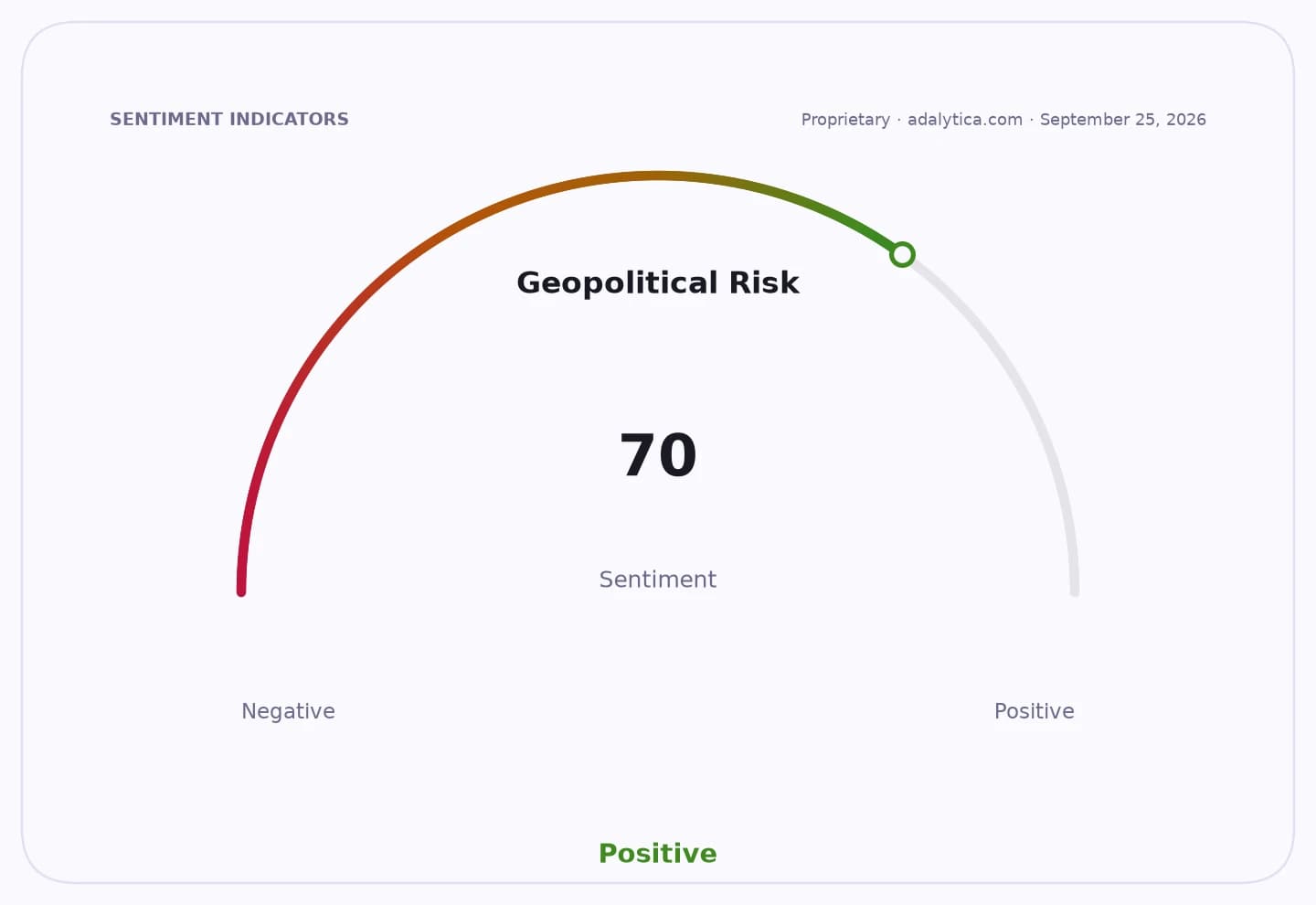
Sentiment IndicatorsⓘProprietary · adalytica.com · July 18, 2026
This is a snapshot — live sentiment, awareness and momentum for 130+ markets update continuously in the dashboard.Open AlphaPulse
The electric M3 also carries symbolic weight because the M badge is one of BMW’s strongest loyalty drivers and a key differentiator against Tesla and Volkswagen Group brands. Tesla shares, meanwhile, have slipped to 380.84 from 419.77 on July 6, showing investors are also rotating around the EV trade rather than rewarding every electric-car headline equally. Volkswagen’s German-listed shares have weakened to 73.12 from 74.40 over the same period, underscoring a sector that remains under pressure even as manufacturers tout new models.
BMW’s challenge is to prove that an electric M car can still command the kind of premium that supports returns in an industry where software, batteries and charging performance increasingly matter as much as horsepower. The company is also dealing with execution risk after a South African recall of nearly 11,000 vehicles and broader quality concerns that can quickly erode trust in a luxury nameplate.
The next catalyst is whether BMW can turn the electric M3 into a credible product cycle win without sacrificing the margins that underpin its premium positioning. Investors will be watching pricing, battery range, launch timing and whether the model helps stabilize BMW’s struggling share performance rather than just adding another EV badge to an already crowded market.
| Entity | Gains | Losses |
|---|---|---|
| BMW | ▲Brand leverage in EVs | ▼Near-term skepticism if launch disappoints |
| Performance-car buyers | ▲Electric M3 option | ▼Potentially higher prices |
| Tesla | ▲EV market attention | ▼Luxury-EV competition |
| Volkswagen Group | ▲Sector momentum from EV demand | ▼Pressure from premium rivals |