BMW’s second-quarter profit slump is the clearest sign yet that premium carmakers are still fighting for margin in a weak Chinese market, even as the company kept its full-year outlook unchanged.
BMW Q2 profit falls more than a third, outlook unchanged
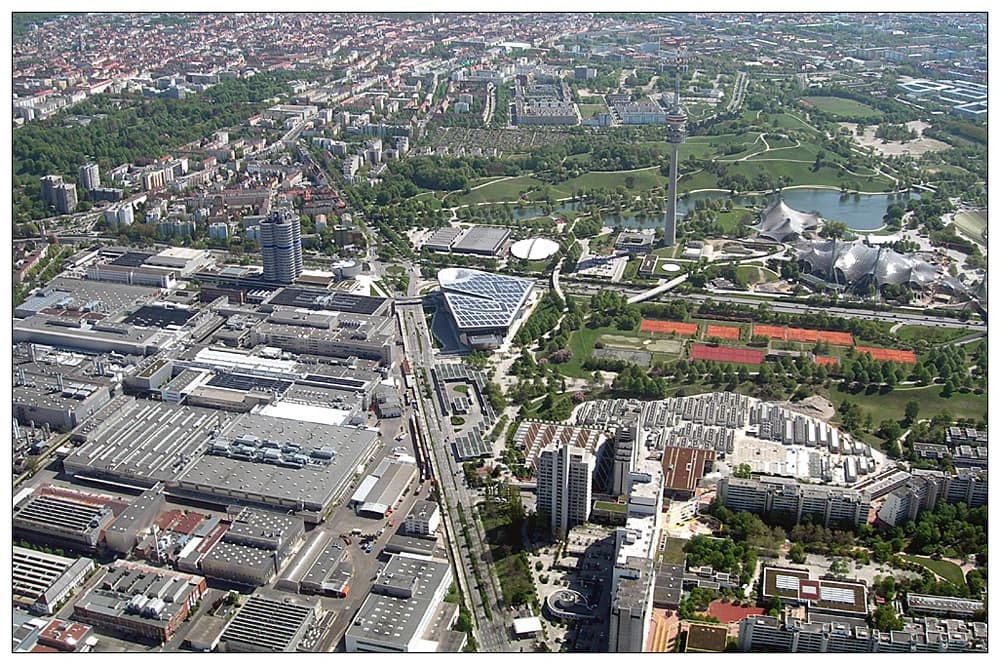
The German automaker said profit fell by more than a third in the quarter, underscoring how price pressure, softer demand in China and tougher competition are eroding earnings across the luxury auto segment. For investors, the key point is not just the magnitude of the decline but BMW’s ability to hold guidance despite it, suggesting management still sees room for volume recovery, cost control or a better mix later in the year.
Sentiment IndicatorsⓘProprietary · adalytica.com · July 31, 2026
This is a snapshot — live sentiment, awareness and momentum for 130+ markets update continuously in the dashboard.Open AlphaPulse
That combination matters because BMW sits at the center of one of Europe’s most exposed industrial sectors. The company’s earnings are tightly linked to China, where domestic manufacturers have been taking share and premium brands have had to defend market position with incentives. Slowing demand in the world’s largest auto market is particularly painful for a maker that depends on affluent buyers and strong pricing power to support returns. A profit drop of this scale implies that margin resilience is being tested faster than revenue alone would suggest.
The market backdrop for autos has been uneven. Mercedes-Benz has recently reported stronger results, highlighting how performance among German premium brands is diverging depending on product cycle, regional mix and cost discipline. That divergence matters for investors because it suggests BMW is not facing a broad sector collapse so much as a company-specific earnings squeeze in one of its most important profit pools. In that setting, relative execution becomes as important as industry demand.
BMW shares have already reflected some of that pressure. The stock has fallen sharply in recent months and remains well below longer-term trend levels, with conventional technical indicators showing the shares trading under the 200-day moving average. That reinforces the message from the results: investors have been pricing in weaker earnings quality and a more difficult operating environment, even before the latest profit report.
The case for BMW is that the company’s brand strength, pricing power in core models and disciplined capital allocation can eventually stabilize returns if China demand normalizes or incentives ease. The bear case is that premium demand is becoming less exclusive, with local rivals improving quickly and global automakers forced to accept thinner margins to protect share. If that persists, maintaining guidance may be less about confidence than about buying time.
For investors, the next catalysts will be whether BMW can show a better second-half margin trend, whether China sales stabilize and whether the broader European auto cycle avoids another downgrade. Until then, the quarter reads less like a one-off disappointment than a reminder that luxury branding alone is no longer enough to guarantee profit growth in the global auto market.
| Entity | Gains | Losses |
|---|---|---|
| BMW | ▲Maintains outlook | ▼Q2 profit margin |
| Chinese rivals | ▲Share gains | ▼Less room for BMW pricing |
| Mercedes-Benz | ▲Relative outperformance | ▼Less peer-group weakness |
| BMW shareholders | ▲Guidance continuity | ▼Earnings visibility |




