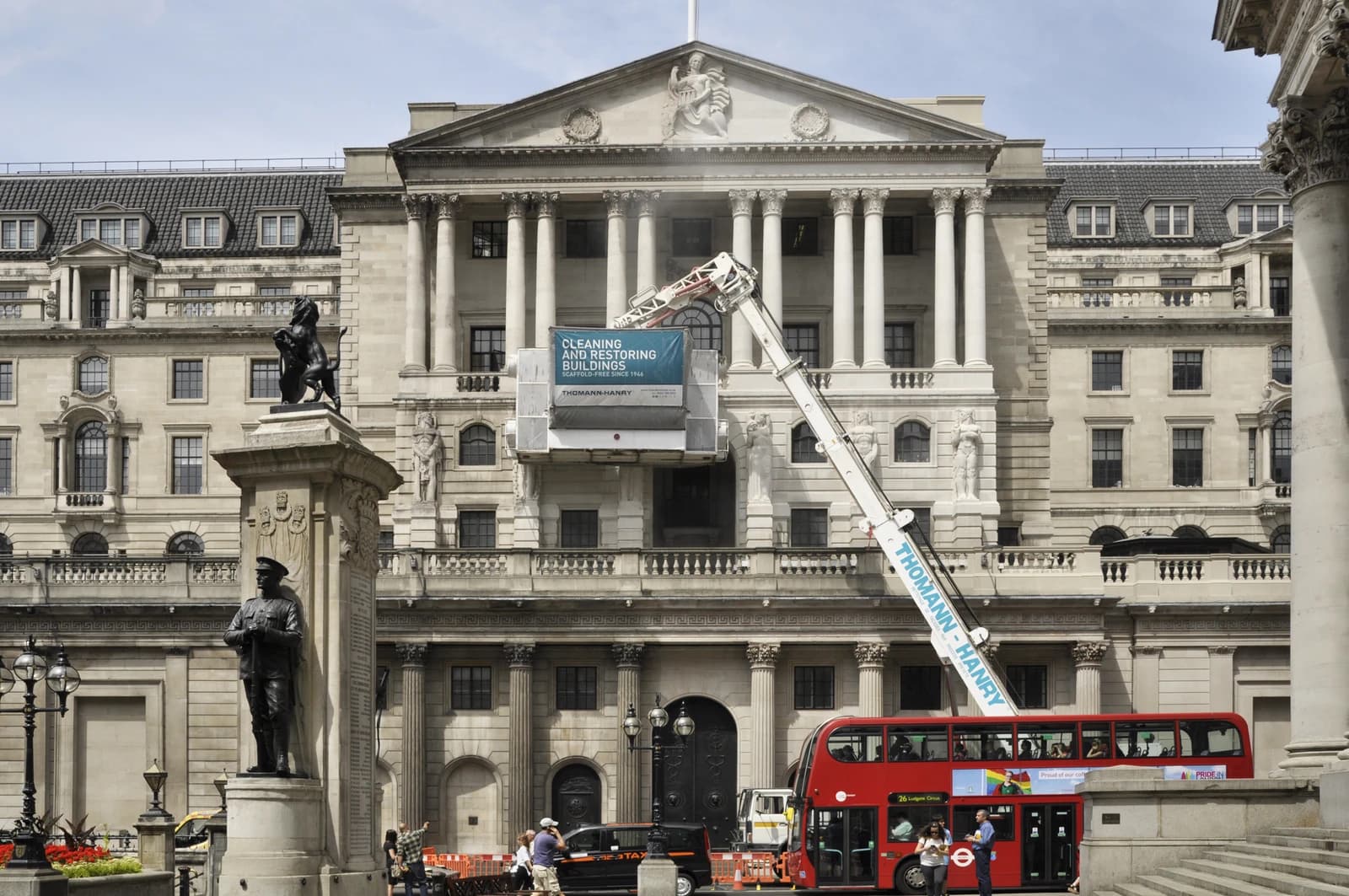
The Bank of England is expected to keep interest rates unchanged, a decision that would underline how little room policymakers have to ease without risking a renewed inflation flare-up.
BoE Hold Keeps Sterling Supported
That matters because Britain’s economy is still trying to absorb the cumulative effect of the fastest tightening cycle in a generation, while growth remains fragile and price pressures have not fully disappeared. A hold would tell investors the BoE still sees the balance of risks as tilted toward caution rather than stimulus, even as markets look for signs that the central bank is preparing to turn.
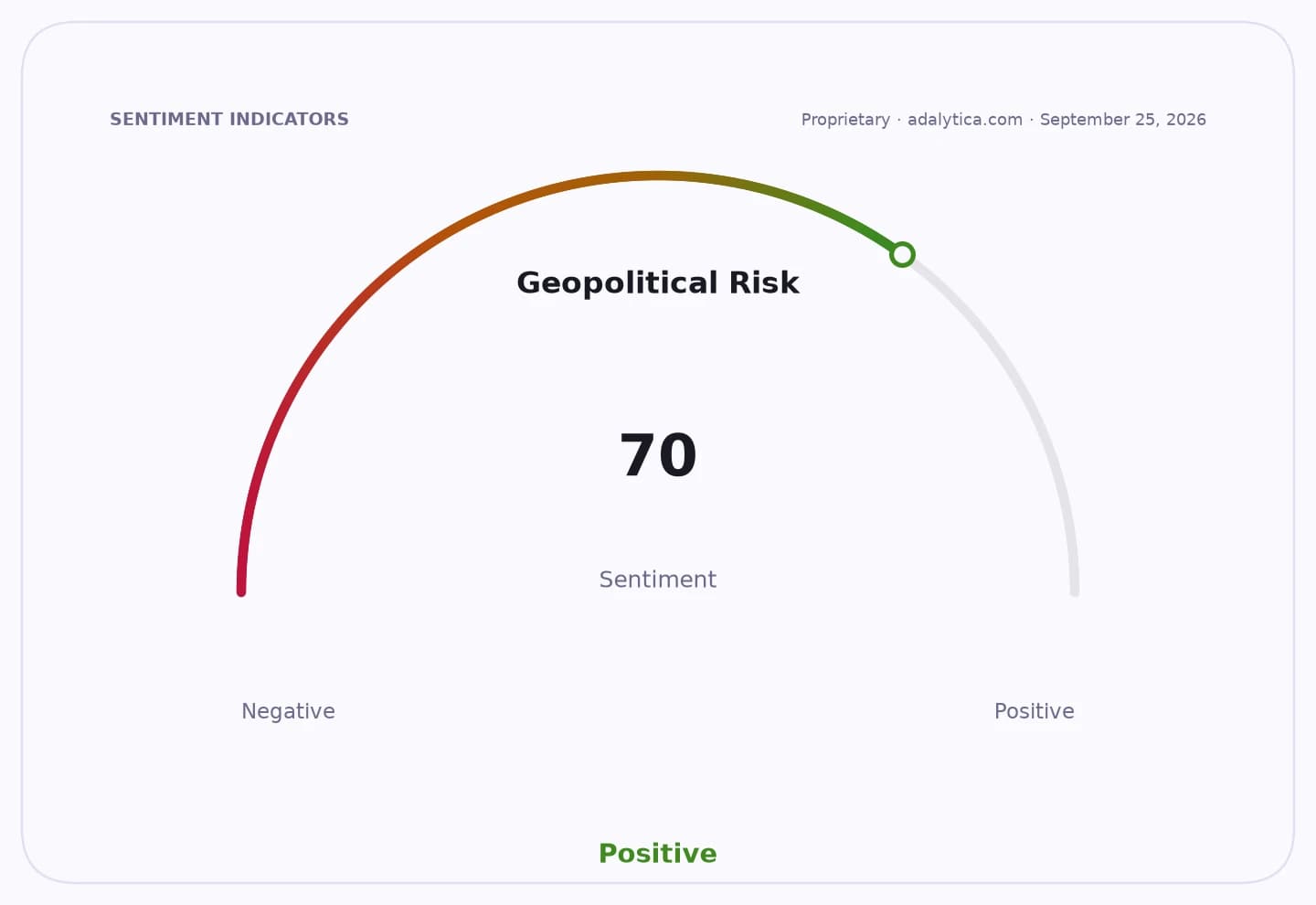
Sentiment IndicatorsⓘProprietary · adalytica.com · July 28, 2026
This is a snapshot — live sentiment, awareness and momentum for 130+ markets update continuously in the dashboard.Open AlphaPulse
For households and businesses, the practical effect is to keep borrowing costs elevated for longer. Mortgage borrowers, leveraged companies and rate-sensitive sectors will read the decision as a signal that the BoE wants more evidence before cutting, especially with inflation still well above the 2% target and the labour market not yet weak enough to force a rapid pivot. The policy stance also reflects a broader global pattern: major central banks, including the European Central Bank and the South African Reserve Bank, have recently opted to stand pat rather than move prematurely.
The foreign exchange and bond markets are likely to treat the hold as confirmation that UK policy will stay relatively restrictive in the near term. Sterling has been trading in a tight range around $1.33 to $1.35, with conventional technical indicators showing no decisive trend break, suggesting currency traders are waiting for fresh guidance rather than betting aggressively on a policy shift. The FTSE 100, meanwhile, has climbed to record territory above 10,700, helped in part by the prospect that steady rates may preserve macro stability and support earnings visibility for large-cap exporters and defensives.
That upside case is simple: if inflation keeps cooling without a sharp rise in unemployment, the BoE can afford to wait and avoid cutting too early. The bear case is that holding too long could deepen the squeeze on domestic demand, prolong strain in housing and consumer credit, and risk turning a soft landing into something harsher. The next catalyst is likely to be incoming inflation, wages and activity data, which will determine whether this hold is just a pause or the start of a longer plateau.
| Entity | Gains | Losses |
|---|---|---|
| Bank of England | ▲Policy flexibility | ▼Near-term growth support |
| Sterling bulls | ▲Rate support | ▼Faster easing hopes |
| Borrowers | ▲None | ▼Higher-for-longer costs |
| FTSE 100 exporters | ▲Currency stability | ▼Domestic demand upside |