Boeing is tightening up its 737 factories and pushing closer to Airbus’s industrial pace, a shift that matters because the company’s recovery now hinges less on demand than on whether it can turn a swollen order book into stable, repeatable output.
Boeing 737 output plans for 47 jets a month
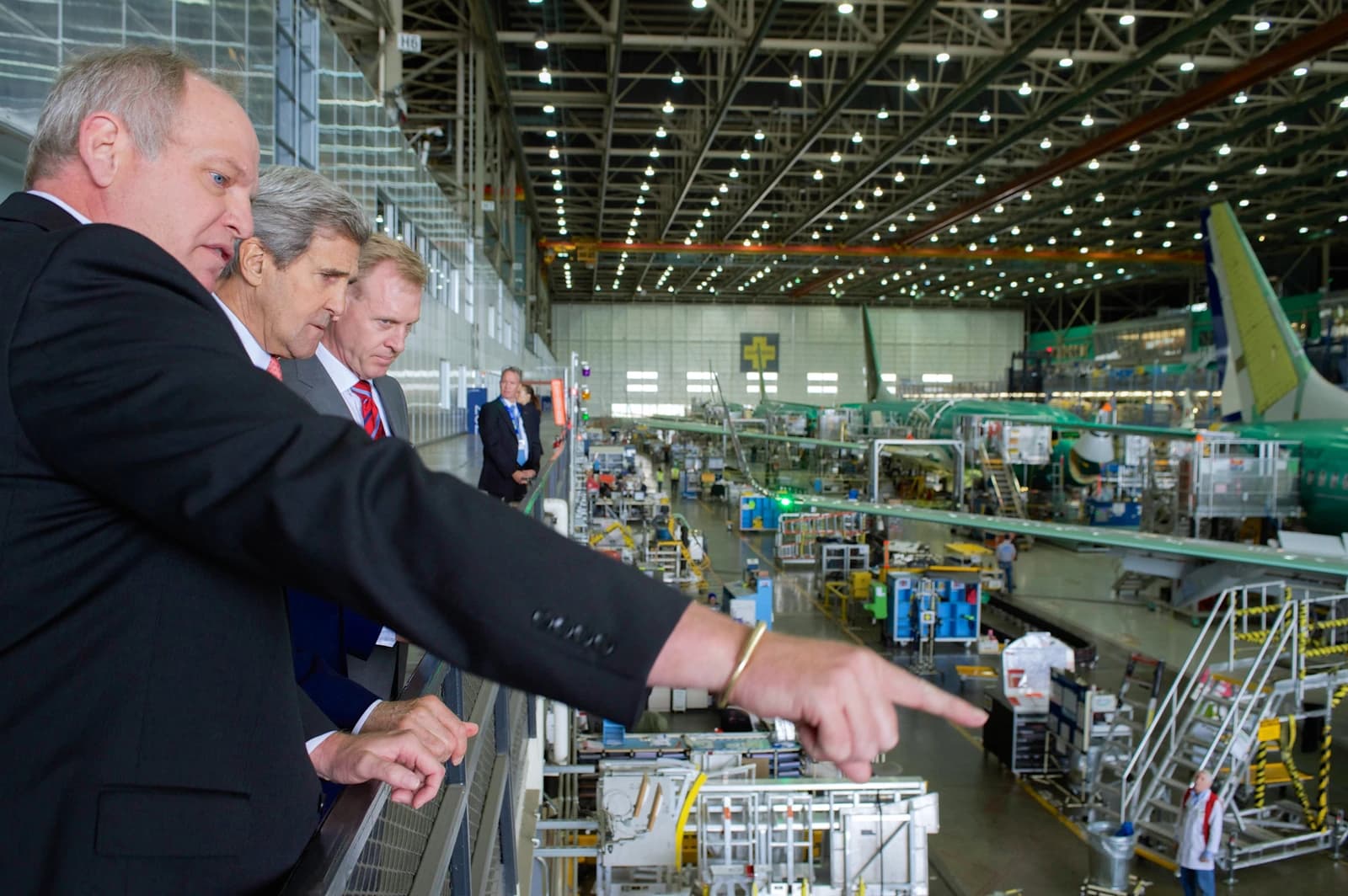
The most important development is Boeing’s effort to harden the production system for its 737 Max, including plans for another production line later this year and a continued push toward higher monthly output under FAA oversight. That is economically significant because narrow-body aircraft are the profit engine of commercial aviation, and every extra airplane delivered helps Boeing convert revenue faster, reduce inventory drag and repair cash generation after years of disruption.
Sentiment IndicatorsⓘProprietary · adalytica.com · July 30, 2026
This is a snapshot — live sentiment, awareness and momentum for 130+ markets update continuously in the dashboard.Open AlphaPulse

The company’s second-quarter filing said Boeing is planning for production rate increases beyond 47 jets a month and aims to begin low-rate production on a new 737 line later in 2026, pending certification. It also increased the accounting quantity for the 737 program by 400 units in the first half of the year, reflecting progress on orders and deliveries. For investors, that suggests Boeing is no longer just chasing a headline rate target; it is trying to build a more resilient factory base that can support sustained output without triggering the quality lapses that have repeatedly slowed the program.
That matters in a market where Airbus has long enjoyed a production advantage and where Boeing’s bottlenecks have translated directly into weaker free cash flow, slower deleveraging and a discount to the European rival. Narrow-body supply remains one of the industry’s key constraints, and Boeing’s ability to add capacity could help it narrow the gap in a segment that drives most airline fleet replacement. The downside is clear: if the new line or higher rates run ahead of certification or quality control, regulators could slow the ramp and erase gains in the share price.
Airbus, meanwhile, remains the benchmark for industrial discipline, and Boeing’s move underscores how much the competitive narrative has shifted from sales to execution. Airbus still benefits from a steadier production system, while Boeing’s supplier base, labor patterns and regulator scrutiny make every rate increase a test of process control as much as demand.
The broader backdrop is still supportive. Airline fleets need replacement, global traffic has recovered, and the sector’s supply chain remains tight. But that environment only helps Boeing if its factories can consistently convert backlog into deliveries. The company’s near-term catalyst is whether it can prove the 737 line can run at higher output without fresh setbacks; if it can, the market will likely assign more value to the recovery story. If it cannot, Airbus keeps the industrial lead.
| Entity | Gains | Losses |
|---|---|---|
| Boeing | ▲Higher 737 output potential | ▼More execution and FAA risk |
| Airbus | ▲Benchmark status, share stability | ▼Less relative advantage if Boeing ramps |
| Airlines | ▲More narrow-body supply | ▼Delays if Boeing stumbles |
| Boeing shareholders | ▲Better cash flow if ramp holds | ▼Dilution from another failed ramp |